
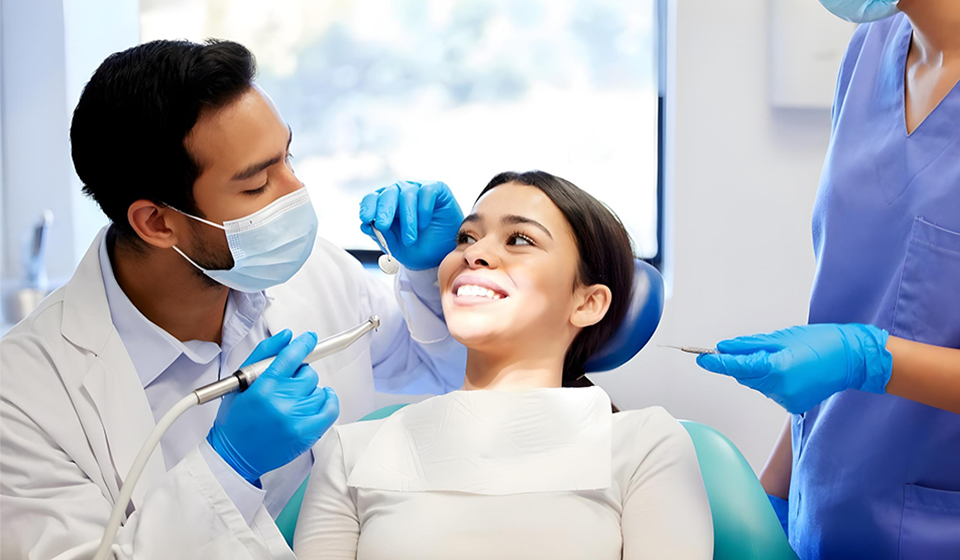
Oral health is a cornerstone of overall wellness. Maintaining healthy teeth and gums goes beyond just brushing and flossing. Preventive care is essential to keep minor dental issues from turning into serious problems. Many patients seeking a dentist in Houston often wonder how regular checkups and early interventions can impact long-term oral health. By understanding the benefits of preventive dentistry, you can take control of your smile and reduce the risk of complicated dental treatments later.
Preventive dentistry focuses on keeping your teeth healthy and preventing disease rather than just treating problems after they occur. With a proactive approach, patients enjoy stronger teeth, fresher breath, and a reduced likelihood of extensive procedures. Below, we explore how preventive dentistry makes a lasting difference.
What Is Preventive Dental Care?
Preventive dentistry encompasses the routine measures and treatments designed to protect teeth and gums from decay, disease, and damage. It includes professional dental exams, cleanings, and patient education on proper oral hygiene practices. These measures help catch potential issues early and keep patients’ smiles healthy for a lifetime.
Benefits of Preventive Dental Care:
Preventive dentistry isn’t just about avoiding cavities. Its advantages extend to overall oral and systemic health. Patients who prioritize preventive care experience:
- Reduced risk of cavities and tooth decay
- Prevention of gum disease, which can impact heart health
- Early detection of oral cancer and other conditions
- Preservation of natural teeth for longer
- Improved breath and oral comfort
- Cost savings from avoiding major dental procedures
Investing time in preventive care today ensures fewer complications and less invasive treatments in the future.
Common Preventive Dental Care Practices
Regular Dental Checkups
Routine dental visits allow your dentist to monitor oral health and identify potential problems early. During these appointments, dentists examine:
- Teeth for signs of decay or fractures
- Gums for inflammation or infection
- Jaw alignment and bite issues
- Oral tissue for unusual growths or lesions
Early detection leads to simpler and more effective treatments.
Professional Teeth Cleaning
Even with proper home care, plaque and tartar can build up in hard-to-reach areas. Professional cleaning removes these deposits, preventing cavities and gum disease. Cleanings also polish teeth, remove surface stains, and contribute to fresher breath.
Dental Sealants
Dental sealants provide a protective layer on the chewing surfaces of molars, where decay often begins. This barrier prevents food particles and bacteria from settling in grooves and crevices.
Patient Education
Understanding how to maintain oral hygiene at home is a key component of preventive dentistry. Dentists provide guidance on:
- Correct brushing and flossing techniques
- Choosing the right toothpaste and mouthwash
- Nutritional advice for healthier teeth
- Habits to avoid, like excessive sugar consumption
How Preventive Dental Care Saves Time and Money
Preventive dentistry may seem routine, but it offers significant long-term benefits. Catching problems early reduces the need for:
- Root canals
- Tooth extractions
- Crowns or bridges
- Gum disease treatments
By prioritizing preventive care, patients avoid costly and painful procedures. Early intervention helps maintain natural teeth and reduces overall dental expenses.
Signs You May Need Preventive Dental Care
Even if your teeth appear healthy, certain signs indicate a greater need for preventive care:
- Persistent bad breath
- Bleeding gums when brushing or flossing
- Tooth sensitivity to hot or cold
- Loose or shifting teeth
- Pain or discomfort while chewing
Recognizing these signs early allows your dentist to intervene before problems worsen.
Tips for Maintaining Oral Health Between Visits
While professional care is essential, daily habits play a major role in prevention. Patients should focus on:
- Brushing at least twice a day with fluoride toothpaste
- Flossing daily to remove hidden plaque
- Limiting sugary snacks and beverages
- Drinking plenty of water to wash away food particles
- Avoiding tobacco and limiting alcohol consumption
- Using mouthguards for sports or teeth grinding
Consistent home care complements preventive dentistry visits and supports long-term oral health.
When to Schedule a Dental Care Visit
Experts recommend scheduling preventive visits every six months. However, some patients may require more frequent appointments, especially those with:
- A history of cavities or gum disease
- Chronic health conditions
- Sensitivity or enamel issues
- Orthodontic appliances or prosthetics
Regular monitoring ensures minor issues are addressed before they escalate into major problems.
Encouraging a Lifetime of Healthy Smiles
Preventive dentistry is about more than avoiding cavities; it’s a lifestyle choice. Patients who commit to regular checkups, cleanings, and home care enjoy long-lasting benefits. Consistent preventive care leads to:
- Healthier gums and teeth
- Reduced risk of major dental procedures
- Enhanced confidence and self-esteem
- Improved overall wellness
By embracing preventive dentistry, you take proactive steps toward a lifetime of healthy, beautiful smiles.
Conclusion
Preventive dentistry is the foundation of lasting oral health. By focusing on regular checkups, professional cleanings, and patient education, you can avoid costly and complicated dental problems. A proactive approach ensures strong teeth, healthy gums, and a confident smile. If you want guidance tailored to your needs, the dedicated team at Unident Family Dentistry in Houston is ready to provide personalized preventive care, helping you protect your smile today and for years to come.