
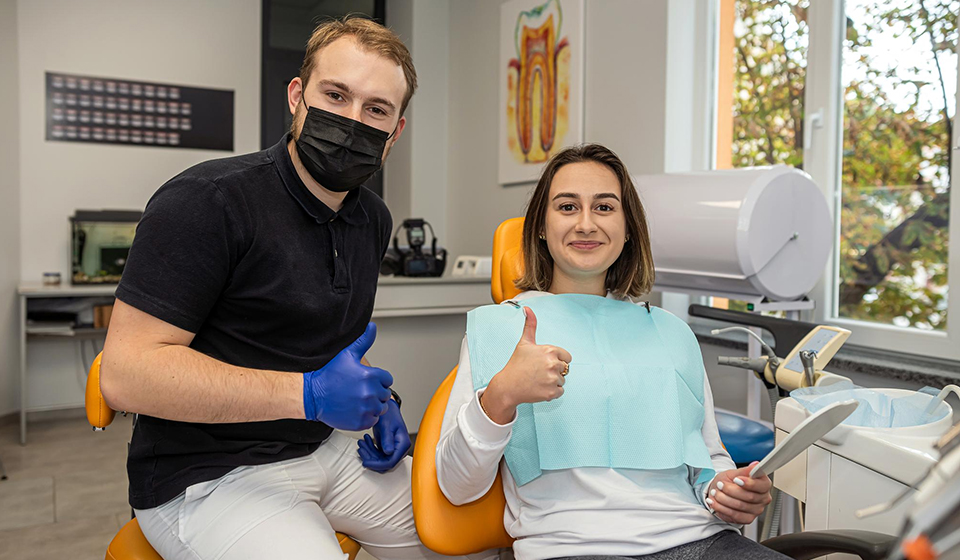
A dental appointment is more than just sitting in a chair and opening your mouth; it is an important step toward maintaining lifelong oral health. Many people feel unsure or even anxious before visiting a clinic, often because they are not fully prepared. The good news is that choosing the right dentist in Houston and knowing what to expect can make the entire experience smooth and stress-free. Preparation helps you communicate better, feel more confident, and get the most value from your visit. It also enables your dentist to understand your needs clearly and provide care that truly meets your needs. With the right mindset and a few practical steps, dental visits can become a positive part of your health routine.
Why Prepare for a Dentist Appointment?
From an analytical perspective, preparation has a direct impact on the quality of dental care you receive. When patients arrive informed and organized, appointments tend to be more efficient and productive. Dentists can focus on diagnosis and treatment rather than filling in missing details.
Proper preparation also reduces anxiety. Knowing what will happen, what questions to ask, and how to explain symptoms helps you feel in control. Over time, this builds trust and encourages consistent dental visits, which are essential for preventing serious oral health issues.
What to Do Before Your Appointment?
Preparing for a dental visit starts well before you walk into the clinic. Small actions taken ahead of time can significantly improve your overall experience.
Organize Your Dental and Medical Information
Your dentist needs a complete picture of your health to provide safe and effective care. Before your appointment, take time to organize important details such as:
- Current medications and supplements
- Known allergies or sensitivities
- Past dental treatments or surgeries
- Ongoing medical conditions
- Dental insurance information
Having this information ready allows the dental team to tailor treatment plans and avoid potential complications.
Be Clear About Your Concerns and Goals
Every patient has different expectations. Some want relief from pain, others want preventive care, and some are focused on cosmetic improvements. Write down any concerns, discomfort, or changes you have noticed in your teeth or gums.
From an analytical standpoint, clear communication improves diagnostic accuracy. When dentists understand your goals, they can recommend treatments that align with both your health needs and personal expectations.
How Oral Hygiene Before the Visit Makes a Difference
Maintaining good oral hygiene before your appointment is not about impressing the dentist; it is about making the examination easier and more accurate. Brush and floss as usual before your visit to remove surface plaque and food particles. This simple step allows the dentist to focus on underlying issues rather than temporary buildup. It also helps you feel more confident during the appointment, especially during close examinations or cleanings.
Managing Dental Anxiety Before Your Appointment
Dental anxiety is more common than many people realize. Fear of discomfort, past experiences, or uncertainty can make patients delay visits. Preparation is one of the most effective ways to manage this anxiety.
Some helpful strategies include:
- Scheduling appointments at a time when you feel least rushed
- Practicing deep breathing or relaxation techniques
- Letting the dental team know about your concerns in advance
- Bring headphones or calming music if allowed
When anxiety is addressed proactively, dental visits become far more comfortable and predictable.
What Happens During the Appointment?
Understanding what typically happens during a dental visit helps remove fear of the unknown. While every appointment is different, most follow a similar structure.
Examination and Discussion
The dentist begins by examining your teeth, gums, and overall oral health. This may include X-rays or digital scans if needed. The findings are then discussed with you in clear, simple terms.
Professional Cleaning and Preventive Care
If your visit includes a cleaning, the dental hygienist removes plaque and tartar that brushing alone cannot eliminate. Preventive treatments help protect your teeth and gums from future problems.
Treatment Planning and Recommendations
Based on the examination, the dentist may suggest treatments or lifestyle adjustments. From an analytical perspective, this is where preparation pays off. When you ask informed questions, you gain clarity and confidence in the recommended plan.
Questions You Should Ask Your Dentist
An informed patient makes better health decisions. Preparing questions in advance ensures you leave the appointment with a clear understanding of your oral health.
Consider asking questions such as:
- What areas of my mouth need the most attention right now?
- Are there early signs of issues I should watch for?
- How can I improve my daily oral care routine?
- What preventive steps can reduce future dental problems?
These discussions turn a routine visit into an educational experience.
After the Appointment: Turning Advice into Action
Preparation does not end when the appointment is over. Following through on your dentist’s recommendations is essential for long-term results. Whether it involves improving brushing techniques, scheduling follow-up visits, or adjusting dietary habits, small changes make a big difference. Analyzing post-appointment instructions and applying them consistently helps prevent recurring issues and reduces the need for complex treatments later.
Conclusion
Preparing yourself for a dental appointment is one of the simplest yet most powerful ways to protect your smile. By organizing information, managing anxiety, and engaging actively during your visit, you create a positive dental experience that supports long-term health. Dental care becomes easier when patients feel comfortable, informed, and respected. At Unident Family Dentistry in Houston, this philosophy guides every interaction, helping patients of all ages take confident steps toward healthier, happier smiles.