
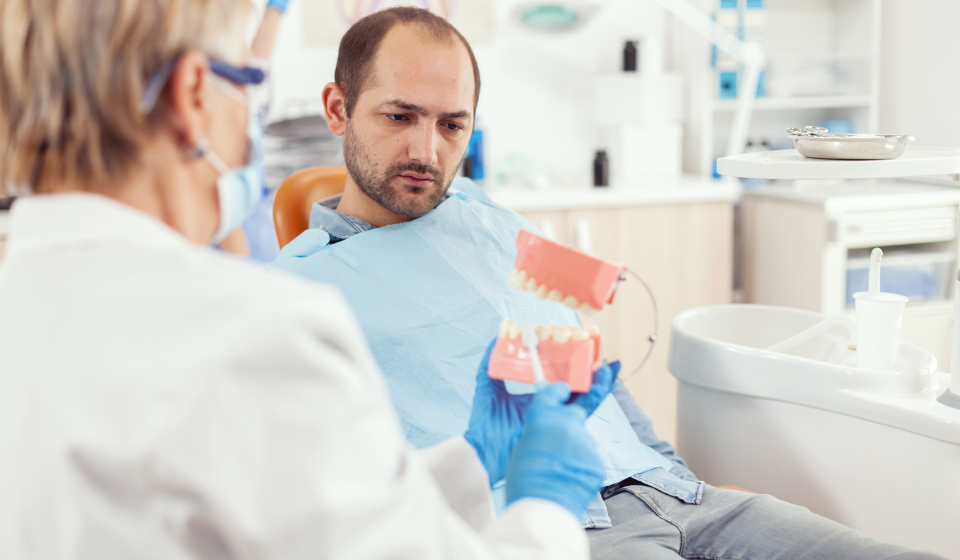
Missing teeth can affect more than appearance. They can make chewing difficult, influence speech, and change the way the lips and cheeks are supported. Dentures are a common tooth replacement option designed to restore these everyday functions while helping create a more natural-looking smile. For people considering dentures in Westchase, understanding what dentures are, how they work, and what the treatment process involves can make the decision easier.
What are dentures?
Dentures are removable dental appliances designed to replace some or all missing teeth. They are custom-made to fit the shape of the mouth and are typically made from materials such as acrylic, resin, metal, or a combination of these materials. Depending on the type, dentures can replace an entire arch of teeth or only the teeth that are missing.
Modern dentures are designed to look natural and provide a comfortable fit. They can restore basic oral functions while also supporting the appearance of the face. Properly fitted dentures should feel secure during everyday activities and can be adjusted by a dental professional if changes in fit or comfort occur.
What are the different types of dentures?
The type of denture recommended depends on the number of missing teeth, the condition of the remaining teeth, oral health, and individual treatment needs.
- Complete dentures: Complete dentures replace all teeth in the upper arch, lower arch, or both. They rest over the gums and are designed to restore chewing, speech, and facial support when all natural teeth are missing.
- Partial dentures: Partial dentures replace several missing teeth while working around the remaining natural teeth. They may use clasps or other components to help maintain their position and restore the appearance and function of the smile.
- Immediate dentures: Immediate dentures are prepared before natural teeth are removed and can be placed soon after extraction. They allow the appearance of the smile to be maintained while the gums heal and a more permanent fit is established.
How Do Dentures Work
Getting dentures typically involves several steps to make sure the final appliance fits comfortably and meets functional and aesthetic needs.
- Dental examination and treatment planning: A dental professional examines the mouth, gums, remaining teeth, and jaw structures before recommending an appropriate denture option. Any necessary dental treatment may be completed before impressions or scans are taken.
- Taking impressions or digital scans: Impressions or digital scans capture the shape and contours of the mouth. This information helps create dentures that are designed to fit the individual oral anatomy.
- Creating and fitting the dentures: The denture is fabricated based on the measurements and records collected during the examination. During the fitting appointment, the dental professional checks the fit, appearance, bite, and overall comfort.
- Making adjustments for comfort: Minor adjustments may be necessary after the dentures are placed. These changes can improve comfort, reduce areas of irritation, and help the appliance function more effectively.
Key Benefits of Wearing Dentures
Replacing missing teeth
Dentures fill spaces created by missing teeth and provide artificial teeth that are shaped to support normal oral function. Replacing missing teeth can make it easier to bite and chew food while also restoring a more complete appearance to the smile.
Supporting chewing and speech
Missing teeth can make certain foods difficult to chew and may affect the way some sounds are produced. Dentures provide tooth surfaces that help with chewing and can support clearer speech as the mouth becomes accustomed to the appliance.
Staying securely in the mouth
Traditional dentures rely on their close fit against the gums and underlying oral structures for stability. Denture adhesives may sometimes provide additional support, but a properly fitted denture should be designed to remain reasonably stable during normal activities.
Supporting the lips and facial appearance
Natural teeth help support the lips and facial tissues. When teeth are missing, changes in facial contours can become more noticeable over time. Dentures can help restore some of this support, contributing to a fuller and more balanced facial appearance.
Adapting to dentures over time
Getting used to dentures takes time. There may initially be increased saliva, mild gum irritation, or a feeling that the appliance is unusual in the mouth. With consistent use and proper adjustments, many people become more comfortable speaking, eating, and wearing their dentures.
Conclusion
Dentures can replace missing teeth, restore important oral functions, support facial appearance, and help people feel more confident about their smiles. The right type of denture depends on the number of missing teeth, oral health, lifestyle, and desired level of stability, making professional evaluation and proper maintenance important for a comfortable and functional result.
Choosing the right tooth replacement option can make a meaningful difference in everyday comfort, function, and confidence. Unident Family Dentistry in Houston provides personalized dental care for patients considering tooth replacement options such as dentures, helping determine which solution is appropriate for comfort, function, and a natural-looking appearance.
Frequently asked questions
How long does it take to get used to dentures?
Adjusting to dentures can take several weeks, although the experience varies from person to person. Regular use, proper care, and professional adjustments can make the adaptation process more comfortable.
Can you eat normally with dentures?
Dentures can help restore chewing ability, but eating may feel different at first. Starting with softer foods and gradually introducing firmer foods can help build confidence and improve comfort.
Can dentures improve speech?
Yes, dentures can help improve speech when missing teeth have affected pronunciation. Some people may notice temporary changes in speech while the tongue and mouth muscles adjust to the new appliance.
Do dentures need to be removed at night?
Traditional removable dentures are commonly removed at night to give the gums and oral tissues a chance to rest. Following the dental professional’s specific instructions is important because individual denture needs can vary.
What should you do if your dentures feel loose?
Loose dentures may indicate that the appliance needs adjustment or that changes in the gums and jaw have affected its fit. A dental professional should evaluate the dentures rather than attempting to reshape or modify them at home.