
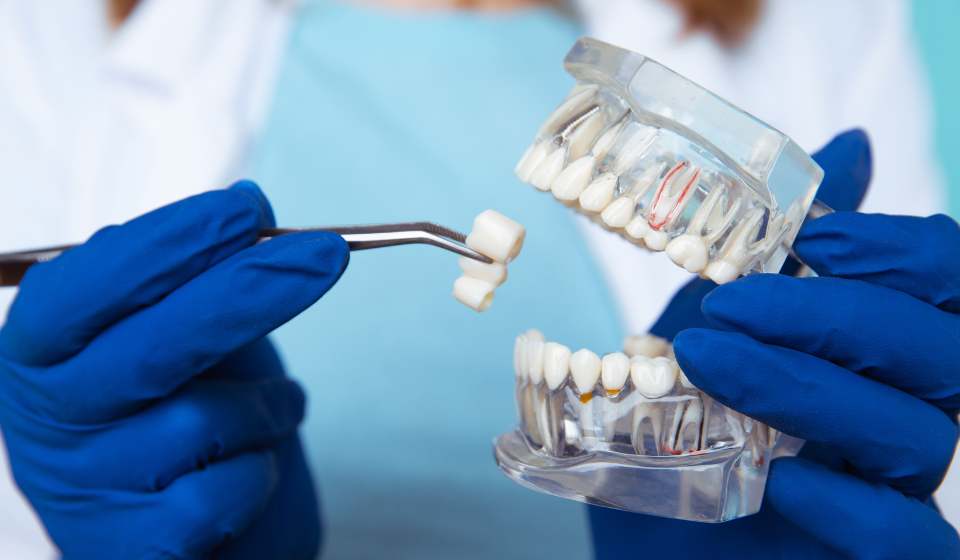
Getting a dental crown can help restore a damaged, weakened, or severely decayed tooth while improving its strength, function, and appearance. If you are considering dental crowns in Westchase, understanding what happens before, during, and after the procedure can make the experience feel more comfortable and predictable. From preparing the tooth to adjusting to your permanent crown, knowing what to expect can also help you follow proper aftercare and protect your restored tooth.
What is a dental crown and when do you need one
A dental crown is a custom-made covering that fits over a damaged or weakened tooth. It helps restore the tooth’s shape, strength, function, and appearance while providing protection from further damage. Crowns can be made from materials such as porcelain, ceramic, zirconia, or metal, depending on the tooth’s location and individual needs.
A dentist may recommend a crown when a tooth has extensive decay, a large filling, a crack, or significant damage that cannot be effectively treated with a filling. Crowns may also be used to restore teeth after root canal treatment or to complete certain restorative dental procedures.
What happens during a dental crown procedure
Examining and preparing the tooth
The dentist first examines the tooth and surrounding tissues to determine whether a crown is appropriate. X-rays may be taken to evaluate the tooth’s roots and supporting structures. Once the tooth is prepared, local anesthesia is typically used to keep the procedure comfortable.
The damaged or decayed portions of the tooth are removed, and the remaining tooth is carefully shaped so the crown can fit securely over it. The amount of tooth preparation depends on the type of crown and the condition of the tooth.
Taking dental impressions or digital scans
After preparation, an impression or digital scan is taken to create a crown that matches the size and shape of the prepared tooth. The dentist may also record the color and shape of nearby teeth when appearance is an important consideration. These details help the dental laboratory create a restoration that fits naturally within the smile.
Placing a temporary crown
A temporary crown may be placed while the permanent crown is being made. It helps protect the prepared tooth and allows normal function during this period. Temporary crowns are not designed to be as durable as permanent restorations, so extra care may be recommended when eating and cleaning around them.
Fitting and placing the permanent crown
Once the permanent crown is ready, the dentist removes the temporary restoration and checks the new crown for fit, shape, color, and bite. Adjustments can be made if necessary. When everything is satisfactory, the crown is securely bonded or cemented into place.
What to expect immediately after a dental crown
Tooth sensitivity and mild soreness
Some sensitivity or mild soreness can occur after crown placement. The tooth may be temporarily sensitive to hot or cold foods and beverages, particularly during the first few days. The surrounding gum tissue may also feel slightly tender.
These effects generally improve as the tooth and surrounding tissues adjust. However, persistent pain, significant sensitivity, swelling, or discomfort when biting should be discussed with a dentist because the crown or underlying tooth may require further evaluation.
Eating and drinking after crown placement
Follow the dentist’s instructions regarding when to eat after the procedure, particularly if local anesthesia was used. Until normal sensation returns, avoid chewing because numbness can make it easier to accidentally bite the cheek, tongue, or lip.
Once eating normally is comfortable, choose foods that are easy to chew if the tooth feels tender. Avoid very hard or sticky foods, especially if a temporary crown is still in place.
How to care for your dental crown after the procedure
Proper care can help keep your dental crown clean, comfortable, and functional for many years. Good oral hygiene and healthy habits are important for protecting both the crown and the natural tooth underneath it.
- Brush and floss as usual: Brush your teeth twice daily with fluoride toothpaste and floss between your teeth every day. Pay attention to the area around the crown and gumline to help remove plaque and food particles.
- Avoid hard and sticky foods: Limit very hard or sticky foods that can place unnecessary pressure on your crown. Avoid chewing ice, biting hard objects, or using your teeth to open packages, as these habits may damage the crown.
- Protect your crown if you grind your teeth: Grinding or clenching your teeth can put excessive pressure on a dental crown. If nighttime grinding is a concern, a dentist may recommend a custom mouthguard to help protect your crown and other teeth.
- Keep up with regular dental check-ups: Schedule routine dental visits so the crown, surrounding gums, and underlying tooth can be monitored. Regular check-ups and professional cleanings can help identify potential problems early and support the longevity of your restoration.
Conclusion
A dental crown procedure is a common restorative treatment designed to protect damaged teeth and restore their function and appearance. Although mild sensitivity or soreness may occur initially, proper oral hygiene, thoughtful eating habits, and regular dental care can help the crown remain comfortable and functional for years.
For patients considering restorative dental treatment, Unident Family Dentistry in Houston provides personalized dental care focused on comfort, function, and long-term oral health. Our dental team can evaluate the condition of a tooth and recommend an appropriate treatment based on individual needs.
Frequently Asked Questions
How long does a dental crown procedure take?
The procedure typically involves tooth preparation, impressions or digital scanning, and placement of the permanent crown at a later appointment. The total treatment time depends on the tooth, restoration, and dental practice’s process.
What should you do if your dental crown feels loose?
A loose crown should be evaluated by a dentist as soon as possible. Avoid chewing on that side and do not attempt to permanently reattach the crown yourself.
How should you brush and floss after getting a dental crown?
Brush the crowned tooth normally with fluoride toothpaste and continue cleaning between the teeth every day. Floss carefully around the crown and gumline to help prevent plaque buildup.
How often should a dental crown be replaced?
Dental crowns do not have a fixed replacement schedule because their lifespan depends on oral hygiene, biting forces, materials, and other factors. A well-maintained crown can often last many years, but regular dental examinations are important for monitoring its condition.
Can a dental crown feel different at first?
Yes, a new crown may initially feel slightly different from the natural tooth or surrounding teeth. The mouth usually adjusts quickly, but a persistent uncomfortable bite should be checked by a dentist.