
Missing teeth can affect more than the appearance of your smile. They may make chewing difficult, affect speech, or cause you to feel less confident when interacting with others. Fortunately, modern dentistry offers several ways to restore missing teeth. For people considering dental implants in Westchase, they can provide a stable and natural-looking solution that is designed to function much like a natural tooth.
What are dental implants?
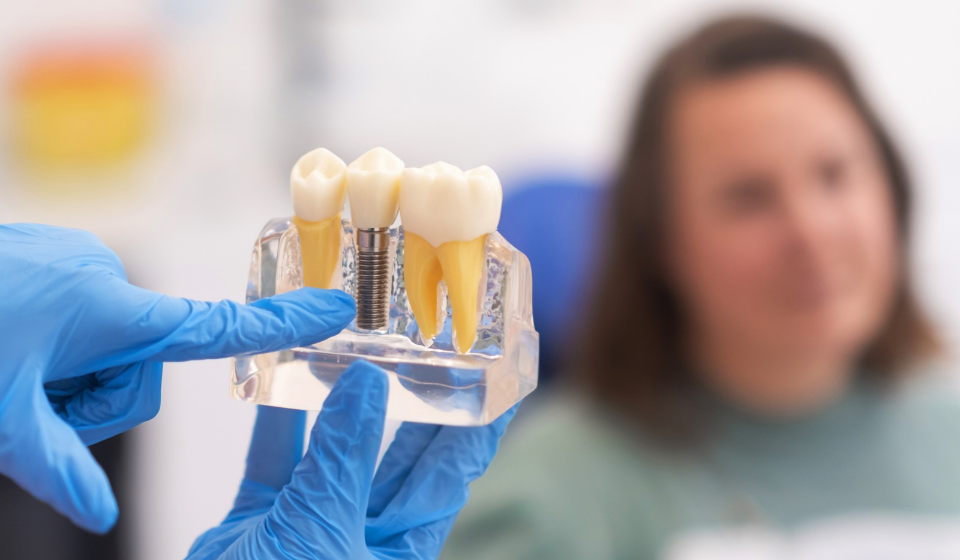
Dental implants are artificial tooth roots used to replace missing teeth. A small titanium post is placed into the jawbone, where it gradually bonds with the surrounding bone. Once the implant has healed, it can support a dental crown, bridge, or denture based on the patient’s needs.
Dental implants can be used to replace a single missing tooth, several missing teeth, or an entire arch. The recommended approach depends on the number of teeth missing and the condition of the patient’s oral health.
Why consider dental implants for missing teeth
A missing tooth can gradually affect other parts of your mouth. Nearby teeth may begin shifting toward the empty space, which can change your bite and make proper cleaning more difficult. Tooth loss can also contribute to the gradual loss of bone in the area because the jaw no longer receives stimulation from the tooth root.
Dental implants address tooth loss by replacing the root as well as the visible portion of the tooth. The implant provides support within the jawbone, while the attached restoration restores the visible part of the smile.
Benefits of dental implants
Dental implants offer several advantages when compared with other tooth replacement options. Key benefits include:
- Natural-looking appearance: The replacement tooth can be customized to match the color, shape, and size of the surrounding teeth, helping the restored smile look natural.
- Stable tooth replacement: Because the implant is anchored into the jawbone, the restoration can remain securely in place during normal activities.
- Support for jawbone health: The implant replaces the function of a natural tooth root and can help maintain stimulation in the area where the tooth was lost.
- Comfortable daily function: A properly placed implant can make chewing and speaking feel more natural compared with removable tooth replacement options.
- Protection of neighboring teeth: Depending on the treatment plan, an implant can replace a missing tooth without requiring adjacent healthy teeth to be modified for support.
With proper oral hygiene and routine dental care, dental implants can provide long-term support. Regular examinations also allow your dentist to monitor the implant and the surrounding gums and teeth.
How does the dental implant procedure work
Getting a dental implant involves several stages, and the exact timeline can vary from one patient to another. The treatment may include the following steps:
- Initial evaluation: Your dentist examines your mouth and may use dental imaging to assess your jawbone and determine the appropriate implant placement.
- Implant placement: The implant post is carefully positioned into the jawbone. Local anesthesia is used during the procedure to help keep you comfortable.
- Healing and integration: The jawbone gradually bonds with the implant during the healing period. This process, called osseointegration, helps create a stable foundation for the final restoration.
- Abutment placement: Once healing is complete, an abutment may be attached to connect the implant post with the replacement tooth.
- Final restoration: A custom crown, bridge, or denture is secured to complete the treatment and restore the appearance and function of the missing teeth.
Not every patient follows the exact same timeline. Bone health, the number of implants required, healing progress, and additional procedures can all influence the overall treatment period.
Are dental implants right for you?
Dental implants may be suitable for many adults who have lost one or more teeth. However, candidacy depends on factors such as gum health, jawbone support, oral hygiene, and overall health.
The best way to determine whether dental implants are appropriate is to schedule a dental evaluation. Your dentist can examine your oral health, discuss your goals, explain the available options, and create a treatment plan based on your individual needs.
Conclusion
Dental implants can provide a reliable way to replace missing teeth while restoring the function and appearance of your smile. Their secure placement, natural appearance, and ability to replace the tooth root make them an effective option for many patients.
At Unident Family Dentistry in Houston, patients can receive personalized dental care focused on comfortable and effective tooth replacement. The practice provides dental implant and restorative services while using modern dental techniques to help patients achieve a healthy, confident smile.
Frequently asked questions
How long do dental implants last?
Dental implants are designed to provide long-term results and can last for many years with proper care. Good oral hygiene, regular dental visits, and healthy gums can help support their longevity.
Do dental implants look like natural teeth?
Yes, dental implants can be designed to closely match the surrounding teeth. The final restoration is customized according to factors such as tooth color, shape, and size.
Are dental implants painful?
The implant placement procedure is performed with anesthesia to help keep the patient comfortable. Some soreness or swelling may occur during the recovery period.
Can dental implants replace multiple missing teeth?
Yes, dental implants can be used to replace multiple missing teeth. Depending on the situation, implants may support individual crowns, a dental bridge, or an implant-supported denture.
How long does the dental implant process take?
The treatment timeline varies from patient to patient. Healing time, bone condition, the number of implants, and the type of final restoration can all affect how long the complete process takes.