
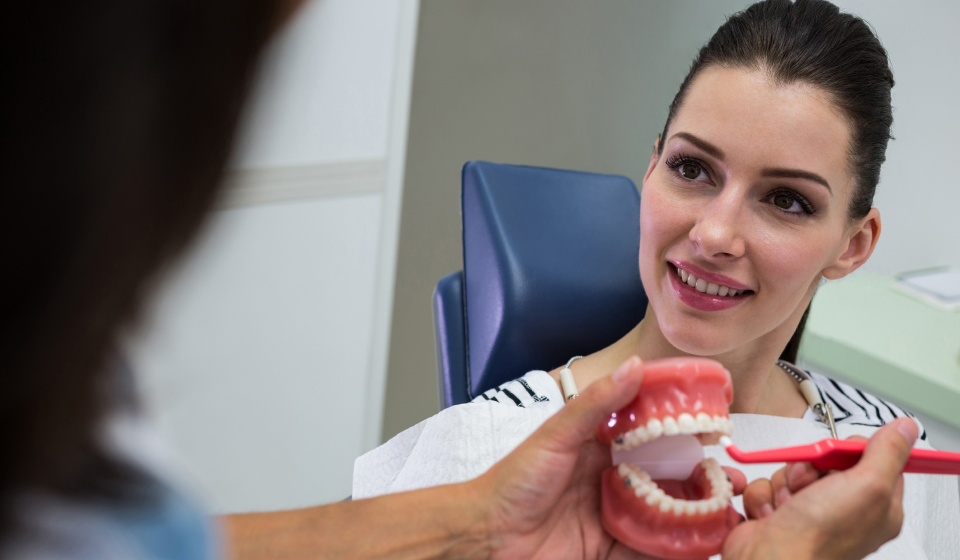
Losing one or more teeth can make everyday activities like eating and speaking difficult. Some people may struggle to chew certain foods, while others may feel self-conscious about gaps in their smile. Dentures help replace missing teeth, making it easier to eat, speak, and smile with greater confidence.
Dentures come in different designs depending on how many teeth need replacing and the condition of the mouth. Some replace an entire set of teeth, while others fill gaps between natural teeth. Understanding how these options work, what the fitting process involves, and how to care for dentures can help patients know what to expect from treatment.
When might someone need dentures?
Dentures are removable dental appliances that replace missing teeth and, in some cases, surrounding gum tissue. A dentist may recommend them when several teeth are missing or when all the teeth in the upper or lower jaw have been lost.
Tooth loss can happen because of severe decay, advanced gum disease, injuries, or other dental problems. Sometimes, teeth become so damaged that removing them is the most appropriate option.
Dentures may help when missing teeth make chewing difficult, affect speech, or change facial appearance. However, they are not suitable for everyone. A dentist needs to examine the gums, remaining teeth, and jawbone before recommending treatment.
What types of dentures replace missing teeth?
The type of denture recommended depends largely on the number of missing teeth and whether any healthy natural teeth remain.
Full dentures for complete tooth loss
Full dentures replace all the teeth in the upper jaw, lower jaw, or both. They contain artificial teeth attached to a gum-colored base that rests on the gums.
Conventional full dentures are usually made after the gums have healed following any necessary extractions. A proper fit is important because the dentures rely on the shape of the mouth and surrounding tissues for support.
Partial dentures for some missing teeth
Partial dentures replace one or several missing teeth when some natural teeth remain. They are designed to fit around existing teeth and may use clasps or other attachments for support.
Besides filling visible gaps, partial dentures can help distribute chewing forces and reduce unwanted movement of neighboring teeth. The dentist checks the remaining teeth to determine whether they can adequately support the appliance.
Immediate dentures after tooth extraction
Immediate dentures are made before a patient’s teeth are removed and placed in the mouth shortly after extraction.
This option allows patients to have replacement teeth while their gums heal. However, the gums and jawbone gradually change shape after extraction, which can affect the fit.
Patients may need several adjustments, relining, or a new denture once healing is complete.
What should you know before getting dentures?
Getting dentures usually involves several appointments, followed by a period of adjustment. Knowing what happens at each stage can make the experience easier to manage.
The process of getting fitted for dentures
The dentist begins by examining the mouth and assessing the gums, jawbone, and any remaining natural teeth.
Impressions or digital scans are taken to create a denture that matches the shape of the mouth. Measurements and trial fittings may be needed to check the position of the artificial teeth and how the upper and lower jaws meet.
Once the denture is ready, the dentist checks its fit and makes adjustments to improve comfort and function.
Getting used to wearing dentures
New dentures may feel bulky or unfamiliar during the first few weeks. Some patients notice increased saliva, minor soreness, or difficulty pronouncing certain words.
Eating soft foods, taking small bites, and practicing speaking aloud may help during this adjustment period.
Persistent pain, rubbing, or loose dentures should be checked by a dentist rather than ignored.
Cleaning and caring for dentures
Dentures need daily cleaning because food particles, plaque, and stains can collect on their surfaces.
A soft denture brush and an appropriate cleanser can help keep them clean. Most removable dentures should be taken out at night and stored according to the dentist’s instructions.
Patients should also clean their gums, tongue, and remaining natural teeth to maintain oral hygiene.
Restore missing teeth with unident family dentistry
Dentures can help improve chewing, speaking, and the appearance of a smile after tooth loss. Choosing the right type depends on how many teeth are missing and the condition of the gums and remaining teeth. A dental examination can help determine the most suitable option.
Unident Family Dentistry offers tooth replacement options based on each patient’s dental needs. The practice provides dentures in Westchase, including full, partial, and immediate dentures. Schedule a consultation to discuss your dental concerns and available treatment options.
Frequently asked questions
Can dentures help with chewing and speaking?
Yes. Properly fitted dentures can improve chewing and help patients pronounce words that may have become difficult because of missing teeth. Some adjustment and practice may be necessary.
Are dentures removable?
Conventional full and partial dentures are removable, allowing patients to take them out for cleaning. Implant-supported designs may have different removal requirements.
How often should dentures be replaced?
Dentures often need replacement after approximately five to ten years, depending on wear and changes in the mouth. Regular examinations help determine whether replacement or adjustments are necessary.
Do dentures require professional checkups?
Yes. Dentists check the fit of the dentures and examine the gums and other oral tissues for irritation or changes. These appointments can help identify problems before they become uncomfortable.
Can dentures be fitted immediately after tooth extraction?
Yes. Immediate dentures can be placed shortly after teeth are extracted. However, adjustments or relining may be needed as the gums and jawbone heal.