
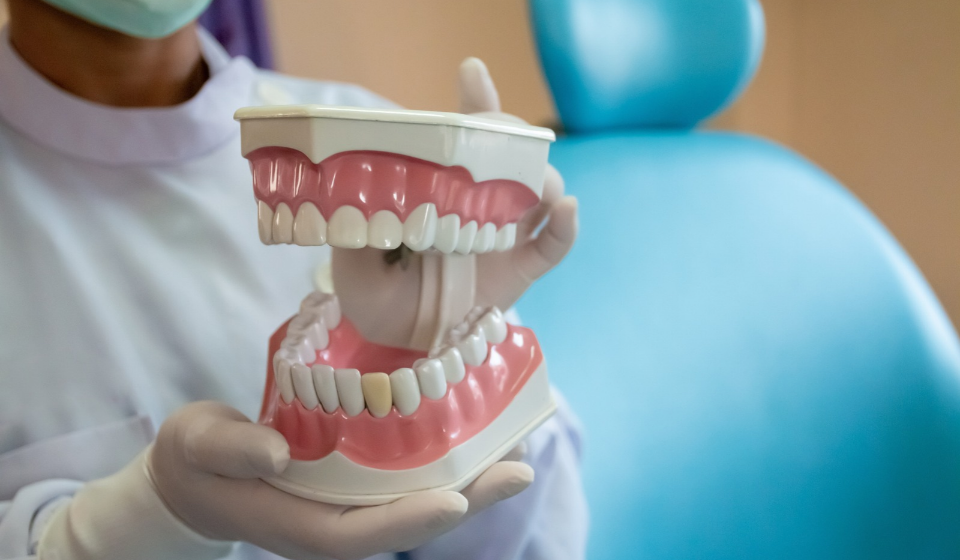
Losing teeth can affect much more than the appearance of your smile. Missing teeth may make chewing difficult, change the way you speak, and make you feel less confident when smiling or talking with others. Fortunately, dentures can replace missing teeth and help restore everyday oral function. For people considering dentures in Westchase, understanding how dentures work, the available options, and what to expect from the process can make the decision easier.
What are dentures?
Dentures are removable dental appliances designed to replace missing teeth and surrounding oral structures. They are custom-made to fit the shape of your mouth and can be designed to look like natural teeth.
A properly fitted denture can help you chew food more comfortably, support clearer speech, and restore the appearance of your smile.
How can dentures replace missing teeth?
Dentures replace visible gaps by providing artificial teeth that are designed to resemble natural teeth. They can also provide support to the cheeks and lips, which may help maintain a more balanced facial appearance after tooth loss.
When several or all teeth are missing, dentures can help restore some of the functions that may have become difficult. With time and proper adjustment, many people can become comfortable eating, speaking, and smiling while wearing their dentures.
Signs you may benefit from dentures
Multiple missing teeth
If several teeth are missing, chewing and speaking may become more challenging. Dentures can fill these spaces and provide a practical way to replace multiple teeth with one removable appliance.
Difficulty chewing
Missing teeth can make it harder to bite and chew certain foods. Dentures can restore a functional chewing surface, helping make meals easier and more comfortable.
Changes in speech
Tooth loss can affect the way certain sounds are produced, which may cause changes in speech. Replacing missing teeth with dentures can help support clearer pronunciation as you adjust to wearing them.
Reduced confidence in your smile
Gaps caused by missing teeth can make some people feel uncomfortable when smiling, speaking, or socializing. Dentures can restore the visible appearance of missing teeth and help you feel more confident about your smile.
Remaining teeth that cannot be saved
In some situations, remaining teeth may be severely damaged or unhealthy and may not be suitable for restoration. If teeth need to be removed, complete or partial dentures may provide a way to replace them after an appropriate dental evaluation.
What types of dentures are available?
Dentures can be designed according to how many teeth need to be replaced and the condition of the remaining teeth.
- Partial dentures: Partial dentures replace several missing teeth while keeping the remaining natural teeth in place. They are designed to fit around existing teeth and fill the spaces created by tooth loss.
- Complete dentures: Complete dentures replace all teeth in the upper or lower arch, or both. They provide a full set of artificial teeth for people who have lost all of their natural teeth in a particular arch.
What is the process of getting dentures?
Getting dentures involves several steps to ensure the appliance fits comfortably and meets your dental needs. The process may include:
- Dental evaluation: Your dentist examines your teeth, gums, and oral tissues to determine whether dentures are suitable for you.
- Impressions and measurements: Detailed measurements and impressions of your mouth help create dentures that fit your unique oral structure.
- Denture design: The shape, size, and appearance of the artificial teeth are planned to create a natural-looking result.
- Fitting and adjustments: Once the dentures are ready, they are fitted in your mouth. Adjustments may be made if certain areas feel uncomfortable or the fit needs refinement.
- Follow-up care: Follow-up appointments allow your dentist to check the fit and address any concerns as you become accustomed to wearing the dentures.
Following your dentist’s care instructions and attending recommended appointments can help maintain comfort and support the long-term function of your dentures.
Can dentures feel natural?
It can take some time to become comfortable wearing dentures. During the adjustment period, the mouth may need to get used to the shape and feel of the appliance, and activities such as speaking and eating may initially feel different.
A proper fit plays an important role in comfort. If dentures feel loose, cause irritation, or make everyday activities difficult, adjustments may help improve their fit. Practicing speaking and gradually introducing different foods can also help you become more comfortable with your dentures.
Conclusion
Dentures can be an effective option for replacing missing teeth and restoring important aspects of your everyday oral function. They can help improve chewing, support speech, fill visible gaps, and give you a more complete smile. The right type of denture depends on the number of missing teeth, the condition of your remaining teeth, and your overall oral health.
Unident Family Dentistry in Houston provides dental care focused on helping patients find appropriate solutions for their oral health needs. If you are considering dentures, a dental evaluation can help determine whether partial or complete dentures are the right choice and what you can expect from the treatment process.
Frequently Asked Questions
Can dentures replace multiple missing teeth?
Yes, dentures can replace multiple missing teeth depending on the condition of your remaining teeth. Partial dentures are commonly used when some natural teeth remain.
Can dentures improve chewing?
Dentures can provide artificial teeth that help restore a chewing surface after tooth loss. It may take some time to become comfortable eating with them.
Do dentures look like natural teeth?
Modern dentures can be designed to closely resemble natural teeth. Their shape, size, and appearance can be selected to create a natural-looking smile.
How long does it take to get used to dentures?
The adjustment period varies from person to person. Speaking, eating, and wearing dentures may feel different at first, but comfort generally improves as you become accustomed to them.
How should dentures be cared for?
Dentures should be cleaned regularly according to your dentist’s instructions. They should also be handled carefully and stored appropriately when they are not being worn.