
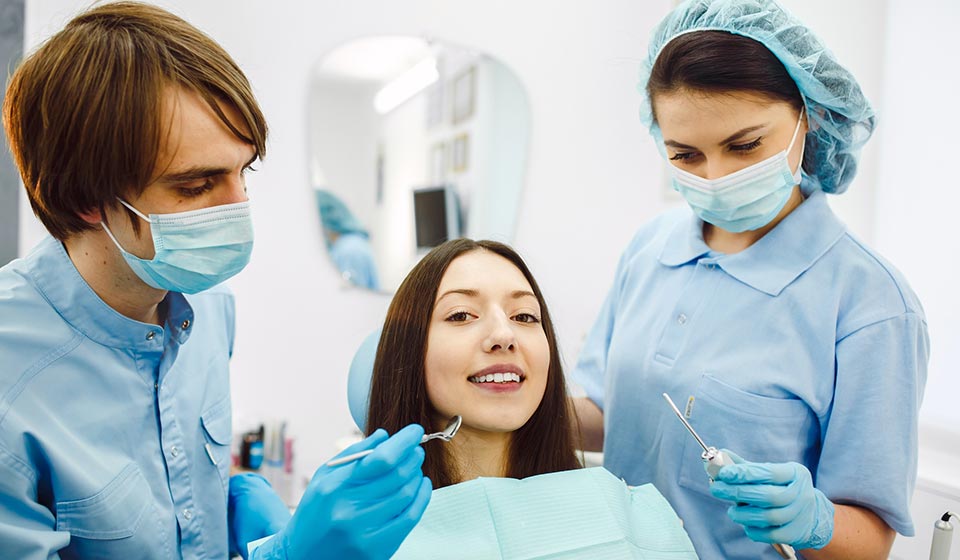
Most people know dental visits are important, but many are unsure how often they should actually go. Preventive dental care is not just about clean teeth—it is about stopping problems before they become painful and expensive. Regular checkups are the foundation of long-term oral health and early detection. Preventive dentistry in Houston focuses on structured visit schedules that match each patient’s risk level and lifestyle. Instead of guessing, modern preventive care uses clinical indicators to guide frequency. The right schedule keeps your teeth stronger, your gums healthier, and your treatment costs lower. Understanding visit timing helps you stay ahead instead of catching up.
What Preventive Dentistry Really Includes
Preventive dentistry is a systematic approach to protecting teeth and gums before disease develops. It combines professional monitoring with home-care habits and targeted treatments. From an analytical perspective, prevention works by interrupting disease cycles early—before structural damage occurs.
Preventive dentistry typically includes:
- Comprehensive dental exams
- Professional cleanings
- Digital X-rays when needed
- Gum health measurements
- Oral cancer screenings
- Fluoride or sealant treatments
- Bite and wear analysis
Preventive dentistry programs in Houston often personalize these components based on age, medical history, and oral risk factors.
The Standard Preventive Dentistry Visit Interval
Preventive Dentistry Every Six Months: The Baseline Rule
The traditional recommendation is a dental visit every six months. This interval is not random—it is based on how plaque matures, how tartar forms, and how gum inflammation progresses. Clinical studies show that harmful bacterial colonies can establish destructive patterns within months if left undisturbed.
For average-risk patients, twice-yearly visits allow dentists to:
- Remove hardened tartar
- Detect early cavities
- Identify gum inflammation
- Monitor bite wear
- Catch small issues before escalation
Six months is the baseline, but not the universal rule.
When Preventive Dentistry Visits Should Be More Frequent
High-Risk Patients Need Tighter Preventive Dentistry Schedules
Some patients benefit from more frequent preventive visits—often every 3–4 months. This is based on measurable risk indicators, not sales pressure. Higher visit frequency disrupts bacterial regrowth cycles more often.
You may need more frequent preventive dentistry visits if you have:
- Gum disease history
- Frequent cavities
- Diabetes
- Dry mouth conditions
- Heavy plaque buildup
- Smoking habits
- Orthodontic appliances
- Dental implants
- Reduced immune response
Shorter intervals significantly reduce complication rates in these groups.
What Happens During a Preventive Dentistry Visit
Preventive Dentistry Appointment Breakdown
Understanding what occurs during preventive visits helps patients see the value beyond “just a cleaning.” Each component has a diagnostic purpose.
A preventive dentistry visit usually includes:
- Medical history update
- Gum pocket measurements
- Plaque and tartar removal
- Tooth surface polishing
- Cavity detection
- Restoration checks
- Soft tissue screening
- Bite evaluation
Each step generates clinical data used to adjust your care plan.
Preventive Dentistry for Children and Teens
Growth-Phase Preventive Dentistry
Children and teens require structured preventive dentistry because their teeth and jaws are still developing. Monitoring eruption patterns and enamel strength is critical.
Youth preventive care often includes:
- Sealant placement
- Fluoride strengthening
- Eruption tracking
- Orthodontic screening
- Hygiene coaching
Early preventive patterns strongly predict adult oral health outcomes.
Preventive Dentistry for Adults
Adult Preventive Dentistry Focus Areas
Adult preventive dentistry shifts toward wear management, gum stability, and restoration monitoring. Lifestyle factors become more influential.
Adult preventive priorities include:
- Gum recession tracking
- Filling and crown evaluation
- Bite stress monitoring
- Grinding damage detection
- Oral cancer screening
These checks are essential even when teeth feel “fine.”
Preventive Dentistry for Seniors
Age-Related Preventive Dentistry Needs
Senior patients often experience dry mouth, medication effects, and root exposure. Preventive dentistry adapts to these biological changes.
Senior-focused preventive measures include:
- Root cavity monitoring
- Denture and implant checks
- Saliva function evaluation
- Soft tissue screening
Visit frequency may increase with medical complexity.
The Financial Advantage of Preventive Dentistry
Prevention Costs Less Than Repair
From an analytical standpoint, preventive dentistry has one of the highest returns on healthcare investment. Early detection dramatically reduces treatment complexity and cost.
Prevention reduces likelihood of:
- Root canals
- Tooth extractions
- Gum surgery
- Implant replacement
- Emergency visits
Routine preventive visits cost far less than restorative procedures.
Signs You Should Schedule Preventive Dentistry Sooner
Don’t Wait for Pain Signals
Pain is a late-stage symptom in dentistry. Preventive care should be scheduled before discomfort appears.
Book a preventive dentistry visit sooner if you notice:
- Bleeding gums
- Tooth sensitivity
- Persistent bad breath
- Food trapping
- Jaw soreness
- Visible stains near gums
Early action prevents escalation.
Final Thoughts
Preventive dental visit frequency should be personalized, data-driven, and proactive. While the six-month model works for many patients, risk-based scheduling produces better long-term outcomes. Patients who participate in structured preventive care experience fewer emergencies, lower lifetime dental costs, and more stable oral health. Preventive dentistry in Houston is most effective when it is consistent, customized, and clinically monitored. At Unident Family Dentistry in Houston, our experienced team delivers preventive dentistry with analytical precision and patient-focused care, helping you stay ahead of dental problems instead of reacting to them.