
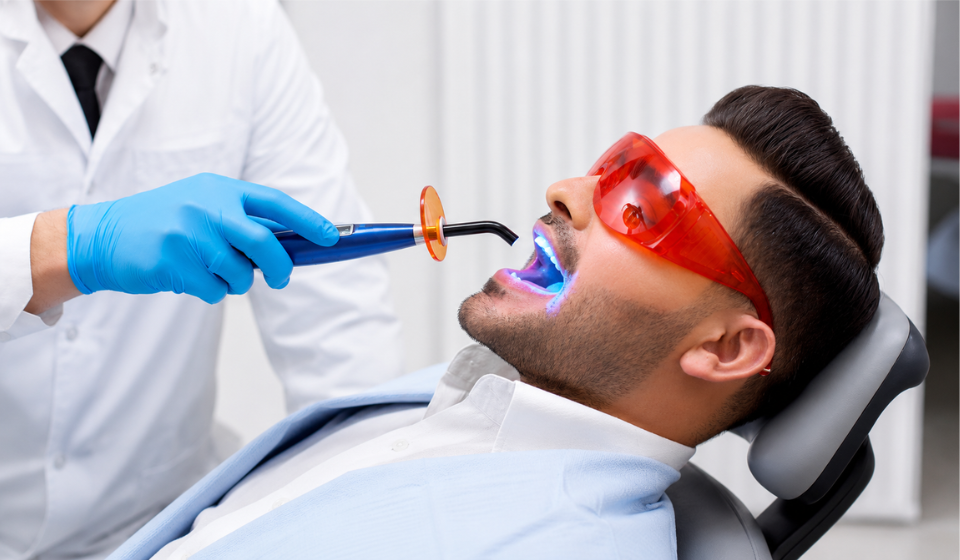
A bright, healthy-looking smile can improve confidence and make everyday interactions feel more comfortable. If you are considering teeth whitening in Westchase, understanding how whitening works and which methods are safest can help you make an informed decision. Professional whitening can effectively reduce many types of stains, but choosing the right treatment and following proper aftercare are important for protecting your teeth and gums.
How teeth whitening brightens your smile safely
Removing surface stains
Surface stains commonly develop from foods, beverages, and tobacco. Professional whitening treatments can help break down these stains and restore a brighter appearance to natural teeth. Good brushing and regular dental cleanings can also help prevent new surface stains from accumulating.
Breaking down deep-set discoloration
Some discoloration occurs deeper within the tooth and may be more difficult to remove. Peroxide-based whitening agents can penetrate the tooth structure and break down certain compounds responsible for darker shades. However, not all types of deep discoloration respond equally to whitening, making a dental evaluation important before treatment.
Protecting tooth enamel and gums
Using whitening products correctly is important for protecting the teeth and surrounding tissues. Professional treatments are carefully planned, and protective measures can help prevent whitening materials from irritating the gums.
Overusing whitening products or leaving them on longer than recommended does not necessarily produce better results. It can instead increase the risk of sensitivity and gum irritation, so treatment instructions should always be followed carefully.
Managing tooth sensitivity
Temporary sensitivity is one of the most common effects associated with teeth whitening. It can occur when whitening ingredients temporarily make the teeth more responsive to hot, cold, or sweet foods and drinks.
Following the recommended treatment schedule can help limit sensitivity. If discomfort becomes significant or continues after treatment, a dentist can recommend ways to adjust the whitening process and make it more comfortable.
What causes teeth to become discolored
Teeth can become discolored for several reasons. Coffee, tea, red wine, dark-colored foods, tobacco, and certain beverages can leave stains on the outer surface of the teeth. Poor oral hygiene can also allow plaque and surface stains to build up over time.
Age is another common factor. As enamel naturally becomes thinner, the yellowish dentin underneath can become more visible. Certain medications, dental trauma, and some dental conditions can also cause deeper discoloration that may not respond to regular whitening products.
How long do teeth whitening results last?
Teeth whitening results are not permanent because new stains can develop over time. How long the results last depends on your diet, oral hygiene habits, tobacco use, and the type of whitening treatment received.
Regular brushing, flossing, and dental cleanings can help maintain a brighter smile. Limiting foods and drinks that commonly cause stains can also help preserve the results for longer.
What to expect during professional teeth whitening
Professional whitening generally begins with an assessment of your teeth and gums. Protective measures help keep whitening materials away from sensitive gum tissue while the whitening agent is applied to the teeth. Treatment time varies depending on the whitening system and desired result.
Temporary sensitivity is one of the most common effects of whitening, while mild gum irritation can also occur. These effects are generally temporary, but persistent discomfort should be discussed with a dental professional.
How can you maintain your results after teeth whitening?
Keeping your teeth looking brighter after whitening largely comes down to consistent oral care. A few everyday habits can also help protect your whitening results:
- Brush twice a day with fluoride toothpaste, floss regularly, and attend routine dental visits.
- Limit coffee, tea, red wine, dark sauces, and other foods or drinks that can stain teeth.
- Drink water after consuming strongly colored foods or beverages to help rinse away residue.
- Avoid tobacco products, which can contribute to tooth discoloration.
- Follow any aftercare instructions provided by your dentist, particularly during the first few days after treatment.
Conclusion
Teeth whitening can be an effective way to improve the appearance of your smile when the treatment is selected and used appropriately. Understanding what causes discoloration, getting a dental evaluation, and following professional recommendations can help you achieve brighter results while minimizing sensitivity and irritation.
For personalized guidance, Unident Family Dentistry in Houston can help evaluate your smile and determine whether professional teeth whitening is appropriate for your needs. A customized approach can make the whitening process more comfortable while helping you achieve a natural-looking, brighter smile.
Frequently asked questions
Is professional teeth whitening safe?
Professional teeth whitening is generally considered safe when performed under appropriate dental supervision. Temporary tooth sensitivity or gum irritation can occur, but these effects typically resolve after treatment.
How long does professional teeth whitening take?
Treatment time depends on the whitening system and the desired level of brightness. Some in-office treatments can produce noticeable results in about an hour, while take-home professional treatments require repeated applications.
Does teeth whitening work on crowns and veneers?
Whitening treatments affect natural tooth structure and do not lighten tooth-colored restorations such as crowns and veneers. A dentist can help determine how to achieve a more consistent shade if restorations are visible in the smile.
How can tooth sensitivity be reduced after whitening?
Following the recommended treatment schedule and avoiding overuse can help reduce sensitivity. A dentist may also recommend adjustments to the whitening approach if sensitivity becomes uncomfortable or continues after treatment.
Can everyone get their teeth professionally whitened?
Not everyone is an immediate candidate for whitening. A dental evaluation can identify cavities, gum problems, significant sensitivity, or certain types of discoloration that may need treatment before whitening.