
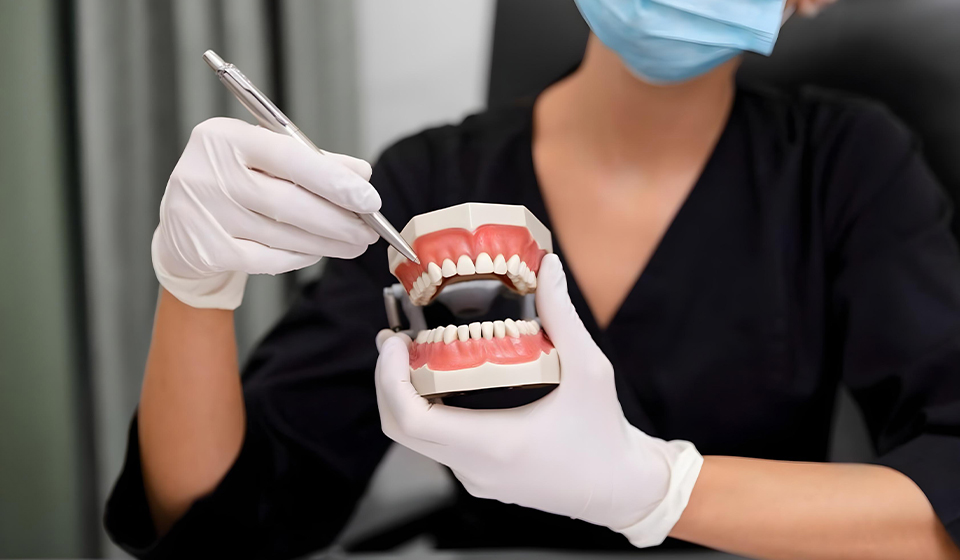
Getting dentures for the first time is a big step toward restoring your smile, comfort, and daily function. Many patients feel a mix of curiosity and uncertainty before starting the process. Modern dentures are more advanced, more natural-looking, and more comfortable than ever before. If you are considering dentures in Houston, understanding the full journey helps remove fear and replace it with confidence. The denture process today is structured, personalized, and clinically precise. With the right dental team, the transition becomes smoother and more predictable. Knowing what happens at each stage allows you to prepare both physically and mentally.
Understanding Dentures and Their Purpose
Dentures are custom-made dental prosthetics designed to replace missing teeth and surrounding tissues. They restore essential functions like chewing and speaking while also supporting facial structure. From an analytical standpoint, dentures are not just cosmetic devices—they are functional restorations that rebalance bite forces and oral mechanics.
Dentures may be recommended when:
- Multiple teeth are missing
- Full tooth loss has occurred.
- Remaining teeth cannot be predictably restored
- Severe wear has reduced chewing efficiency.
- Structural support for lips and cheeks is reduced
Patients exploring dentures in Houston often discover that modern materials and digital techniques have significantly improved outcomes compared to older denture models.
Types of Dentures You Choose From
Full Dentures
Full dentures replace all teeth in the upper jaw, lower jaw, or both. They sit on the gum tissue and are carefully shaped to distribute pressure evenly.
Partial Dentures
Partial dentures are used when some healthy natural teeth remain. They anchor around existing teeth and fill the gaps.
Immediate Dentures
Immediate dentures are placed right after tooth removal so patients are never without teeth during healing.
Implant-Supported Dentures
These dentures attach to dental implants for greater stability and chewing power.
Each denture type is selected based on clinical measurements, bone support, and patient goals, not guesswork.
The First Dentures Consultation and Evaluation
Dentures Assessment and Oral Measurements
Your first appointment focuses on examination and data collection. Dentists evaluate gum health, jawbone structure, bite relationships, and facial symmetry. This analytical foundation is critical because dentures must function in harmony with muscles, joints, and soft tissues.
During the evaluation phase, your dentist will review:
- Jaw alignment
- Gum condition
- Bone ridge shape
- Bite force patterns
- Facial proportions
- Speech considerations
Diagnostic impressions or digital scans are taken to begin the customization process.
Denture Impressions and Custom Design
How Dentures Are Precisely Created
Accurate impressions are the backbone of well-fitting dentures. These molds capture detailed anatomical landmarks that guide laboratory fabrication. Today, many practices use digital scanning to enhance precision.
Design factors include:
- Tooth size proportional to your face
- Natural gum contour replication
- Smile line alignment
- Bite balance
- Lip support positioning
This stage ensures dentures look like they belong in your mouth—not like removable appliances.
The Dentures Try-In Appointment
Testing Before Final Dentures Delivery
Before final dentures are produced, patients typically receive a wax or prototype try-in. This preview allows evaluation of appearance and function before permanent fabrication.
During try-in, dentists check:
- Tooth shade and shape
- Smile symmetry
- Speech clarity
- Bite comfort
- Jaw movement balance
Adjustments are made based on real feedback, not assumptions. This quality-control step dramatically improves final satisfaction.
What It Feels Like When You First Wear Dentures
Initial Denture Sensations Are Normal
First-time denture wearers often notice new sensations. This is expected because your mouth is adapting to a new structure. Muscles and nerves need time to recalibrate.
Common early experiences include:
- Feeling of fullness
- Increased saliva flow
- Minor pressure spots
- Slight speech changes
- Mild chewing awkwardness
These effects typically improve within days to weeks as neuromuscular adaptation occurs.
Eating With New Dentures
Dentures Chewing Adaptation Strategy
Chewing with dentures is different from chewing with natural teeth because force distribution changes. Dentists recommend a staged food progression during adaptation.
Start with:
- Soft foods
- Small bites
- Even chewing on both sides
- Slow eating pace
Good starter foods include:
- Yogurt
- Scrambled eggs
- Cooked vegetables
- Soft fish
- Oatmeal
- Pasta
Avoid hard or sticky foods initially while your bite coordination develops.
Speaking With Dentures
Dentures and Speech Adjustment
Speech patterns may feel slightly different at first because dentures change tongue contact surfaces. Most patients adapt quickly with simple exercises.
Helpful speech adaptation tips:
- Read aloud daily
- Practice difficult words
- Speak slowly at first
- Repeat sound combinations
Within a short period, pronunciation typically returns to normal.
Denture Care and Maintenance
Protecting Your Dentures Investment
Dentures require daily maintenance to ensure hygiene and longevity. Proper care also protects oral tissues from irritation and infection.
Daily denture care checklist:
- Remove and rinse after meals
- Brush with denture cleanser
- Soak overnight when recommended
- Clean gums and tongue
- Store safely when not worn
Routine dental visits remain essential even with full dentures.
Benefits of Dentures
Dentures Restore More Than Teeth
First-time denture patients often report emotional benefits alongside physical ones. Restored smiles support social confidence and personal comfort.
Patients commonly experience:
- Improved self-esteem
- Easier social interaction
- Better nutrition
- Clearer speech
- Facial fullness restoration
Dentures are both a medical and lifestyle upgrade.
Final Thoughts
Getting dentures for the first time is a structured clinical journey, not a single event. From measurement to try-in to adaptation, each stage is designed to maximize comfort, function, and appearance. Patients seeking dentures in Houston benefit most when treatment is customized, monitored, and refined with professional precision. With modern materials and analytical design methods, today’s dentures look more natural and perform more reliably than ever before. At Unident Family Dentistry in Houston, our experienced dental team delivers patient-centered denture care focused on comfort, accuracy, and confident results, helping you move forward with a fully restored smile.