
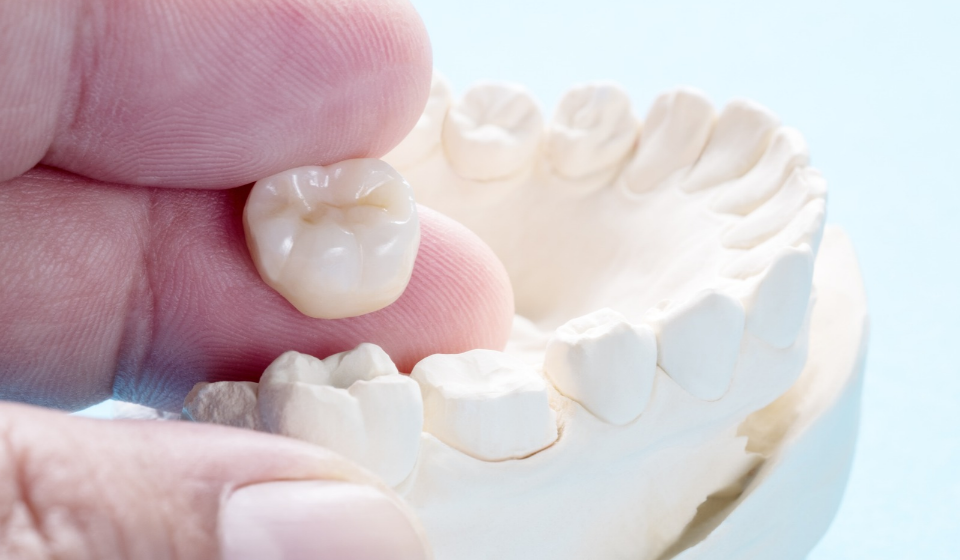
A dental crown in Westchase can be an effective way to restore a tooth that has been weakened by decay, cracks, large fillings, or everyday wear. Designed to fit over the damaged tooth, a crown helps restore its shape, strength, and function while protecting it from further damage.
Understanding the common signs and situations that may call for a dental crown can help you discuss the right restorative treatment with your dentist before the problem becomes more serious.
What is a dental crown?
A dental crown is a custom-made restoration that fits over a damaged or weakened tooth. It covers the visible portion of the tooth above the gumline, helping restore its shape, strength, function, and appearance.
Crowns can be made from several materials, including porcelain, ceramic, metal, and porcelain fused to metal. The best choice depends on factors such as the tooth’s location, condition, appearance, and the amount of pressure it handles during chewing.
An examination is important because not every damaged tooth requires a crown, and treatment should be based on the extent of the damage.
Signs you may need a dental crown
A cracked or fractured tooth
A crack can weaken the tooth and may make chewing painful or cause sensitivity. Depending on the location and severity of the fracture, a crown may cover and reinforce the remaining tooth structure. However, severely fractured teeth may require a different treatment, so prompt evaluation is important.
Extensive tooth decay
When decay affects a large portion of a tooth, there may not be enough healthy structure left for a regular filling to provide adequate support. A crown can cover the remaining tooth and restore its function after the decay has been treated. Treating extensive decay early can also help prevent the problem from progressing further.
A large or damaged filling
Large fillings can leave a tooth with less natural structure to support it. Over time, the remaining tooth may become more vulnerable to cracking, especially when it is exposed to repeated chewing pressure. In these situations, a crown may provide additional reinforcement.
Tooth wear
Teeth can become significantly worn from grinding, clenching, acidic exposure, or other factors. Severe wear can change the shape of the tooth and affect normal chewing. A crown may sometimes be used to restore a severely worn tooth, depending on its overall condition.
A tooth that has undergone root canal treatment
A tooth that has received root canal treatment may need additional protection because a significant amount of its structure may have been affected. A crown can help protect the tooth from everyday chewing forces. The dentist will assess the tooth before determining whether a crown is appropriate.
Benefits of getting a dental crown
A dental crown can serve both a protective and restorative purpose. The benefits can include:
- Protects a weakened tooth: A crown covers vulnerable tooth structure and helps reduce exposure to everyday chewing forces.
- Restores chewing function: Rebuilding the shape and structure of a damaged tooth can make eating more comfortable and functional.
- Improves appearance: Tooth-colored crowns can be designed to blend with surrounding teeth, helping create a natural-looking smile.
- Supports remaining tooth structure: A crown can provide additional coverage when a tooth has lost substantial structure because of decay, damage, or previous treatment.
- Provides a durable restoration: With proper oral hygiene and regular dental care, crowns can provide long-lasting support for a restored tooth.
Although crowns offer several benefits, they are not automatically the right choice for every damaged tooth. A dentist needs to evaluate the tooth and surrounding tissues before recommending treatment.
Conclusion
A dental crown may be needed when a tooth is cracked, severely decayed, extensively restored, significantly worn, or weakened after root canal treatment. It can restore the tooth’s shape and function while providing additional protection for the remaining structure.
Unident Family Dentistry in Houston provides dental care focused on maintaining healthy, functional smiles. If a damaged or weakened tooth needs attention, our dental team can evaluate its condition and discuss suitable restorative options, including dental crowns, based on individual needs.
Frequently asked questions
How do you know if a tooth needs a dental crown?
A dentist may recommend a crown when a tooth has extensive decay, a large filling, a crack, severe wear, or significant structural damage.
Is getting a dental crown painful?
The tooth is typically numbed during the crown procedure to help keep the process comfortable. Some sensitivity or mild soreness may occur afterward, but it generally improves as the tooth and surrounding tissues adjust.
How long does a dental crown last?
A dental crown can last for many years with proper care and regular dental visits. Its lifespan depends on factors such as the crown material, oral hygiene, chewing habits, and the condition of the supporting tooth.
Can a crown fix a cracked tooth?
A crown can sometimes protect and restore a cracked tooth when enough healthy structure remains. However, the appropriate treatment depends on the location and severity of the crack, so a dental evaluation is important.
Can a dental crown look like a natural tooth?
Yes, many modern crowns are designed to closely match the appearance of natural teeth. The dentist can consider the surrounding teeth when selecting the crown’s color, shape, and overall appearance.