
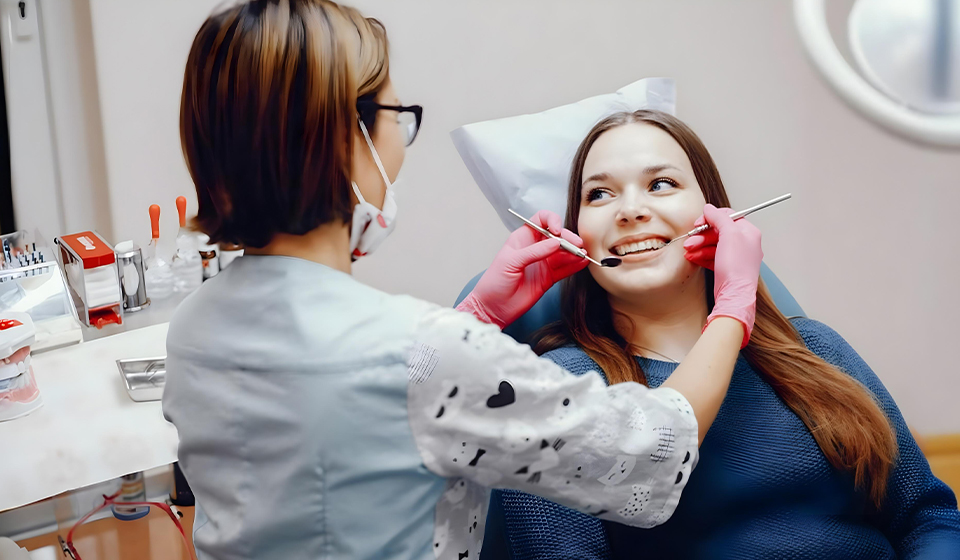
A confident smile has the power to change how you feel about yourself and how others perceive you. Cosmetic dentistry focuses on improving the appearance of teeth while supporting overall oral health and function. Many people exploring cosmetic dentistry in Houston want to understand what truly changes before and after treatment, not just visually but emotionally as well. Modern cosmetic procedures are designed to be comfortable, effective, and tailored to individual needs. With advancements in technology and materials, results today look more natural than ever. When patients feel informed and supported, cosmetic dentistry becomes a rewarding and empowering journey.

Understanding Cosmetic Dentistry

Cosmetic dentistry is not only about aesthetics; it also addresses balance, proportion, and harmony within the smile. From an analytical perspective, the goal is to enhance natural features rather than create an artificial look. Treatments are planned based on facial structure, tooth alignment, color, and gum health.

Before any procedure begins, dentists carefully evaluate the current condition of the teeth and gums. This ensures that cosmetic improvements are built on a healthy foundation, leading to results that last and feel comfortable in everyday life.

The Before Phase: Preparing for Cosmetic Dentistry

The “before” experience is a critical part of cosmetic dentistry. This phase focuses on assessment, planning, and patient education. It sets realistic expectations and ensures that the final outcome aligns with the patient’s goals.

Initial Consultation and Smile Analysis

During the consultation, dentists analyze factors such as tooth shape, spacing, alignment, and discoloration. Digital imaging and photographs may be used to visualize potential changes. From an analytical standpoint, this step minimizes guesswork and improves predictability.

Patients are encouraged to share concerns and preferences openly. Clear communication at this stage helps create a personalized treatment plan that feels intentional rather than generic.

Oral Health Preparation

Cosmetic dentistry works best when underlying dental issues are addressed first. This may include treating cavities, gum concerns, or bite issues before aesthetic procedures begin.

Preparing the mouth properly helps ensure that cosmetic results are not only beautiful but also functional and sustainable.

Common Cosmetic Dentistry Procedures Explained

Cosmetic dentistry includes a range of treatments designed to address different concerns. Each procedure contributes uniquely to the overall before-and-after transformation.

  • Teeth Whitening: Professional whitening brightens stained or discolored teeth, often producing noticeable results quickly. It enhances the overall appearance of the smile and is frequently used as a starting point for cosmetic treatments.
  • Dental Veneers: Veneers are thin shells placed over the front of teeth to improve shape, color, and alignment. They are highly customizable and provide dramatic improvements with a natural finish.
  • Cosmetic Bonding: Bonding uses tooth-colored resin to repair chips, gaps, or uneven edges. From an analytical view, it is a conservative option that preserves natural tooth structure while enhancing appearance.
  • Smile Makeovers: A smile makeover combines multiple cosmetic dentistry procedures into a comprehensive plan. This approach ensures balance and consistency across the entire smile rather than focusing on isolated teeth.

The After Phase: Experiencing the Transformation

The “after” experience extends beyond the mirror. While visual improvements are immediately noticeable, many patients describe deeper changes in confidence and comfort.

After cosmetic dentistry, patients often report:

  • Increased confidence when smiling or speaking
  • Improved comfort when chewing or biting
  • Greater motivation to maintain oral hygiene
  • Positive emotional and social impact

From an analytical perspective, these outcomes highlight how cosmetic dentistry influences both physical and psychological well-being.

Long-Term Care After Cosmetic Dentistry

Maintaining results is a key part of the after-experience. Cosmetic dentistry outcomes last longer when paired with consistent care and healthy habits.

Helpful maintenance practices include:

  • Brushing and flossing daily
  • Avoiding excessive staining foods and drinks
  • Wearing protective appliances if recommended
  • Scheduling regular dental checkups

Analytically, maintenance protects both the aesthetic and functional investment made through cosmetic dentistry.

Cosmetic Dentistry: What Makes the Experience Unique

Patients seeking cosmetic dentistry in Houston often value a blend of advanced technology, personalized care, and clear communication. The experience is shaped by how well dentists understand individual goals and translate them into practical treatment plans.

Cosmetic dentistry thrives when patients feel involved and informed throughout the process. Transparency and education turn procedures into collaborative experiences rather than one-sided treatments.

Making an Informed Decision About Cosmetic Dentistry

Cosmetic dentistry is a personal decision that benefits from thoughtful consideration. Understanding procedures, outcomes, and care requirements allows patients to move forward with clarity. Patients who research, ask questions, and engage actively in planning tend to experience higher satisfaction. Informed decisions lead to outcomes that feel authentic and rewarding.

Conclusion

The before-and-after experience with cosmetic dentistry is a journey of preparation, transformation, and long-term care. When guided by professional insight and patient-focused planning, cosmetic dentistry enhances both appearance and quality of life. A confident smile becomes a natural expression rather than a conscious effort. At Unident Family Dentistry in Houston, this approach to cosmetic dentistry helps patients feel comfortable, informed, and excited about achieving smiles that truly reflect who they are.
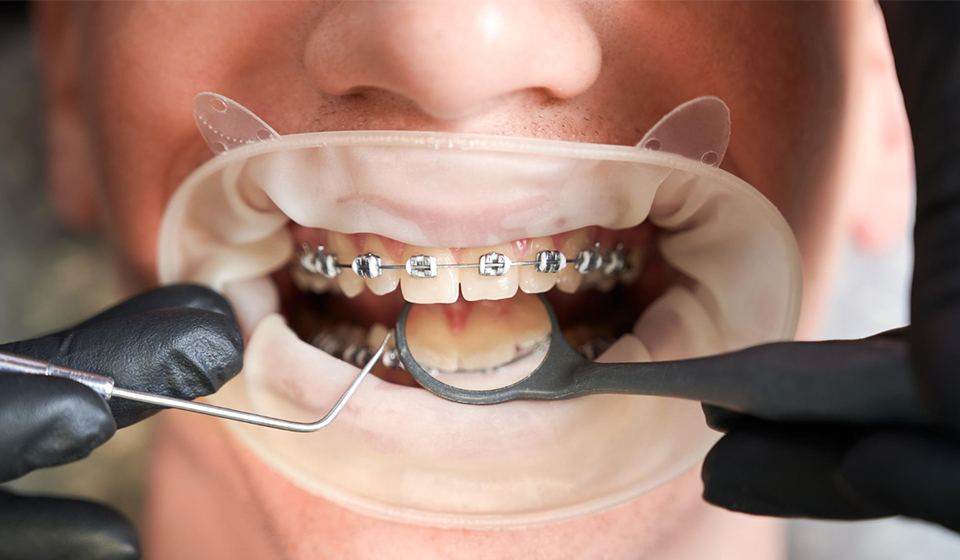
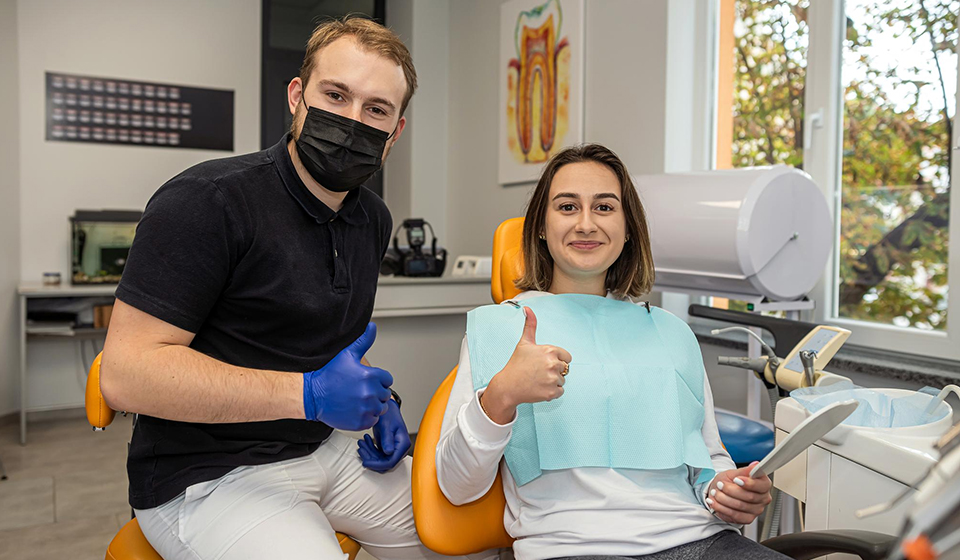
Orthodontic treatments play a vital role in improving both dental health and overall confidence. They are designed to correct misaligned teeth, bite problems, and jaw irregularities that can affect daily comfort and long-term oral wellness. Many patients begin their research by looking for an experienced orthodontist in Houston who can explain options clearly and recommend the right approach. Modern orthodontics has evolved far beyond traditional braces, offering flexible solutions for different ages and lifestyles. With the right guidance, orthodontic care becomes a planned journey rather than an overwhelming decision. Understanding how these treatments work helps patients feel confident and motivated to take the next step toward a healthier smile.

Understanding Orthodontic Treatments

Orthodontic treatments focus on aligning teeth and jaws so they function properly and look balanced. From an analytical perspective, alignment is not just cosmetic; it directly affects chewing efficiency, speech clarity, and the ability to maintain proper oral hygiene.

When teeth are crowded or misaligned, plaque buildup becomes harder to control, increasing the risk of cavities and gum disease. Orthodontic treatments aim to prevent these issues while also enhancing facial harmony. They are suitable for children, teens, and adults, making them a versatile solution across age groups.

Common Dental Issues Addressed by Orthodontic Treatments

Orthodontic treatments are recommended for a wide range of conditions, including:

  • Crooked or crowded teeth
  • Overbite or underbite
  • Crossbite or open bite
  • Gaps between teeth
  • Jaw alignment issues

Each condition requires a tailored approach, which is why professional evaluation is essential before starting treatment.

Orthodontic Treatments for Children and Teens

Early orthodontic evaluations allow dentists to identify developing issues before they become more complex. In children and teens, jaws are still growing, which makes certain corrections more efficient.

From an analytical standpoint, early intervention can reduce treatment time later and prevent the need for more invasive procedures. Braces or interceptive appliances guide teeth into proper positions while supporting natural growth patterns.

Orthodontic Treatments for Adults

Orthodontic care is no longer limited to younger patients. Adults increasingly seek orthodontic treatments to improve comfort, aesthetics, and long-term oral health. Today’s options are designed to fit busy lifestyles and professional environments.

Adults often choose orthodontic treatments to address issues that were never corrected earlier or that have developed over time. With advancements in materials and techniques, treatment is more comfortable and discreet than ever before.

Types of Orthodontic Treatments Available

Understanding available options helps patients make informed decisions. Each type of orthodontic treatment serves a specific purpose and lifestyle need.

Traditional Braces

Traditional metal braces remain one of the most effective orthodontic treatments. They use brackets and wires to gradually move teeth into alignment. Modern designs are smaller, smoother, and more comfortable than in the past.

Ceramic Braces

Ceramic braces function similarly to metal braces but blend more naturally with tooth color. They are a popular choice for patients who want effective orthodontic treatments with less visual impact.

Clear Aligners

Clear aligners have transformed orthodontic care by offering removable, nearly invisible trays. These orthodontic treatments are ideal for mild to moderate alignment issues and patients who value flexibility.

Lingual Braces

Lingual braces are placed behind the teeth, making them invisible from the front. They are highly customized orthodontic treatments that require specialized expertise.

Orthodontist in Houston: What to Expect During Treatment

When visiting an orthodontist in Houston, patients can expect a structured and transparent process. The journey typically begins with a comprehensive evaluation, including digital imaging and bite analysis.

Based on this assessment, a personalized treatment plan is created. This plan outlines the type of orthodontic treatment recommended, expected duration, and maintenance requirements. Regular follow-up visits ensure progress stays on track and adjustments are made as needed.

The Role of Technology in Modern Orthodontic Treatments

Technology has significantly improved the precision and comfort of orthodontic treatments. Digital scans, 3D imaging, and advanced planning tools allow dentists to predict outcomes more accurately.

From an analytical perspective, this reduces treatment time and enhances patient satisfaction. Technology also allows patients to visualize potential results, increasing confidence and commitment to the process.

Maintaining Oral Health During Orthodontic Treatments

Orthodontic treatments require extra attention to daily oral care. Appliances can create areas where food particles and plaque accumulate more easily.

Helpful maintenance tips include:

  • Brushing after every meal when possible
  • Using floss threaders or water flossers
  • Avoiding hard or sticky foods
  • Attending regular dental cleanings

Consistent care ensures that orthodontic treatments deliver both alignment and long-term oral health benefits.

Life After Orthodontic Treatments: Retention and Results

Completing orthodontic treatments is a major milestone, but maintaining results is equally important. Retainers help keep teeth in their new positions while supporting long-term stability.

From an analytical viewpoint, retention is a critical phase that protects the investment made in orthodontic care. Patients who follow retainer instructions are far more likely to enjoy lasting results.

Conclusion

Orthodontic treatments are a powerful tool for improving dental function, appearance, and long-term health. With modern options available for all ages, achieving a balanced smile has never been more accessible. When patients understand their choices and feel supported throughout the process, orthodontic care becomes a rewarding experience. At Unident Family Dentistry in Houston, this commitment to clarity, comfort, and comprehensive care helps patients confidently begin their journey toward healthier, beautifully aligned smiles.

A dental appointment is more than just sitting in a chair and opening your mouth; it is an important step toward maintaining lifelong oral health. Many people feel unsure or even anxious before visiting a clinic, often because they are not fully prepared. The good news is that choosing the right dentist in Houston and knowing what to expect can make the entire experience smooth and stress-free. Preparation helps you communicate better, feel more confident, and get the most value from your visit. It also enables your dentist to understand your needs clearly and provide care that truly meets your needs. With the right mindset and a few practical steps, dental visits can become a positive part of your health routine.

Why Prepare for a Dentist Appointment?

From an analytical perspective, preparation has a direct impact on the quality of dental care you receive. When patients arrive informed and organized, appointments tend to be more efficient and productive. Dentists can focus on diagnosis and treatment rather than filling in missing details.

Proper preparation also reduces anxiety. Knowing what will happen, what questions to ask, and how to explain symptoms helps you feel in control. Over time, this builds trust and encourages consistent dental visits, which are essential for preventing serious oral health issues.

What to Do Before Your Appointment?

Preparing for a dental visit starts well before you walk into the clinic. Small actions taken ahead of time can significantly improve your overall experience.

Organize Your Dental and Medical Information

Your dentist needs a complete picture of your health to provide safe and effective care. Before your appointment, take time to organize important details such as:

  • Current medications and supplements
  • Known allergies or sensitivities
  • Past dental treatments or surgeries
  • Ongoing medical conditions
  • Dental insurance information

Having this information ready allows the dental team to tailor treatment plans and avoid potential complications.

Be Clear About Your Concerns and Goals

Every patient has different expectations. Some want relief from pain, others want preventive care, and some are focused on cosmetic improvements. Write down any concerns, discomfort, or changes you have noticed in your teeth or gums.

From an analytical standpoint, clear communication improves diagnostic accuracy. When dentists understand your goals, they can recommend treatments that align with both your health needs and personal expectations.

How Oral Hygiene Before the Visit Makes a Difference

Maintaining good oral hygiene before your appointment is not about impressing the dentist; it is about making the examination easier and more accurate. Brush and floss as usual before your visit to remove surface plaque and food particles. This simple step allows the dentist to focus on underlying issues rather than temporary buildup. It also helps you feel more confident during the appointment, especially during close examinations or cleanings.

Managing Dental Anxiety Before Your Appointment

Dental anxiety is more common than many people realize. Fear of discomfort, past experiences, or uncertainty can make patients delay visits. Preparation is one of the most effective ways to manage this anxiety.

Some helpful strategies include:

  • Scheduling appointments at a time when you feel least rushed
  • Practicing deep breathing or relaxation techniques
  • Letting the dental team know about your concerns in advance
  • Bring headphones or calming music if allowed

When anxiety is addressed proactively, dental visits become far more comfortable and predictable.

What Happens During the Appointment?

Understanding what typically happens during a dental visit helps remove fear of the unknown. While every appointment is different, most follow a similar structure.

Examination and Discussion

The dentist begins by examining your teeth, gums, and overall oral health. This may include X-rays or digital scans if needed. The findings are then discussed with you in clear, simple terms.

Professional Cleaning and Preventive Care

If your visit includes a cleaning, the dental hygienist removes plaque and tartar that brushing alone cannot eliminate. Preventive treatments help protect your teeth and gums from future problems.

Treatment Planning and Recommendations

Based on the examination, the dentist may suggest treatments or lifestyle adjustments. From an analytical perspective, this is where preparation pays off. When you ask informed questions, you gain clarity and confidence in the recommended plan.

Questions You Should Ask Your Dentist

An informed patient makes better health decisions. Preparing questions in advance ensures you leave the appointment with a clear understanding of your oral health.

Consider asking questions such as:

  • What areas of my mouth need the most attention right now?
  • Are there early signs of issues I should watch for?
  • How can I improve my daily oral care routine?
  • What preventive steps can reduce future dental problems?

These discussions turn a routine visit into an educational experience.

After the Appointment: Turning Advice into Action

Preparation does not end when the appointment is over. Following through on your dentist’s recommendations is essential for long-term results. Whether it involves improving brushing techniques, scheduling follow-up visits, or adjusting dietary habits, small changes make a big difference. Analyzing post-appointment instructions and applying them consistently helps prevent recurring issues and reduces the need for complex treatments later.

Conclusion

Preparing yourself for a dental appointment is one of the simplest yet most powerful ways to protect your smile. By organizing information, managing anxiety, and engaging actively during your visit, you create a positive dental experience that supports long-term health. Dental care becomes easier when patients feel comfortable, informed, and respected. At Unident Family Dentistry in Houston, this philosophy guides every interaction, helping patients of all ages take confident steps toward healthier, happier smiles.

New Patient Forms