

Finding the right dentist for a child takes some consideration. As children grow, their teeth and jaws go through several changes, and regular dental visits help monitor their oral health. A dentist who has experience working with children can help parents understand these changes and address dental concerns early.

Parents also need to consider how a dentist interacts with young patients, responds to their concerns, and communicates during appointments. These details can make a difference in how comfortable children feel about visiting the dentist and how confidently parents make decisions about their dental care.

Why does early dental care matter for children?

Early dental care helps children develop healthy teeth and gums while allowing dentists to monitor oral development. Baby teeth play an important role in chewing, speaking, and maintaining space for permanent teeth. Problems affecting these teeth can cause discomfort and may influence the development of the permanent teeth.

Regular dental examinations allow dentists to check for cavities, gum problems, and changes in tooth alignment. Identifying these concerns early can help prevent complications and allow treatment when necessary.

Early appointments also help children become familiar with the dental environment. Positive experiences during childhood may reduce dental anxiety and encourage regular dental visits as children grow older.

What factors should you consider when choosing a children’s dentist?

Finding a suitable dentist involves considering how the dental practice approaches children’s care and communicates with families. Several factors can help parents make an informed decision.

Experience with children’s dental needs

A dentist who regularly treats children understands how dental needs change with age. Younger children may require help with brushing habits and cavity prevention, while older children may need monitoring as permanent teeth develop.

Parents can ask about the dentist’s experience treating children of different ages, available preventive services, and approach to managing common childhood dental problems.

A gentle approach to dental anxiety

Some children feel nervous about dental appointments, particularly when visiting for the first time. An unfamiliar environment, dental instruments, and new procedures can contribute to these feelings.

A dentist who uses age-appropriate explanations and allows children time to become comfortable can help reduce anxiety. Parents should look for a practice that responds patiently to questions and considers the child’s comfort during examinations and treatment.

Clear communication with parents

Good communication helps parents understand their child’s oral health and any recommended treatment.

The dentist should explain examination findings, discuss treatment options, and provide clear instructions for home care. Parents should also feel comfortable asking questions about dental development, cavity prevention, and future appointments.

How can a children’s dentist support your child’s dental health?

Children’s dental care includes preventive services, developmental monitoring, and guidance that supports healthy oral habits. Regular appointments allow dentists to address changing needs throughout childhood.

Monitoring tooth development

As children grow, their primary teeth gradually make way for permanent teeth. Dentists monitor this transition to check whether teeth are erupting as expected and identify possible concerns involving alignment, spacing, or bite development.

When necessary, the dentist may recommend further evaluation or referral to an orthodontist.

Identifying dental problems early

Tooth decay can develop even in young children. During routine examinations, dentists check for cavities, gum inflammation, and other oral health concerns.

Depending on the child’s needs and cavity risk, preventive care may include professional cleanings, fluoride treatments, and dental sealants. These services can help protect teeth and reduce the likelihood of future dental problems.

Building healthy oral care habits

Children need guidance to develop proper brushing and flossing habits. Dentists can demonstrate age-appropriate cleaning techniques and explain why consistent oral hygiene matters.

They may also advise parents on fluoride toothpaste, limiting sugary snacks and drinks, and supervising brushing until children can clean their teeth effectively.

These recommendations help families establish daily routines that support long-term oral health.

Supporting your child’s dental health with unident family dentistry

Choosing the right dentist for a child involves considering the dentist’s experience with young patients, approach to dental anxiety, and communication with parents. These factors can help families make informed decisions about their child’s dental care. As a children’s dentist in Westchase, Unident Family Dentistry offers routine dental exams, professional cleanings, and preventive treatments for young patients. The practice also helps parents understand their child’s tooth development, address dental concerns, and establish healthy oral hygiene habits. Schedule an appointment to discuss your child’s dental health and care needs.

Frequently asked questions 

When should a child first visit the dentist?

Children should have their first dental visit when the first tooth appears or no later than their first birthday. Early appointments help dentists check oral development and provide guidance on caring for baby teeth.

How often should children have dental checkups?

Many children benefit from dental checkups every six months. However, the dentist may recommend a different schedule depending on the child’s oral health and risk of developing cavities.

How can parents prepare a child for a dental visit?

Parents can explain the appointment using simple, positive language and describe what the dentist may do. Reading children’s books about dental visits and avoiding frightening descriptions can also help a child feel comfortable.

Why are baby teeth important?

Baby teeth help children chew food, develop speech, and maintain space for permanent teeth. Keeping them healthy can prevent pain, infection, and problems that may affect developing permanent teeth.

How can parents help prevent cavities in children?

Parents can encourage twice-daily brushing with fluoride toothpaste, help with flossing, and limit frequent sugary snacks and drinks. Regular dental appointments also help identify early signs of decay and determine whether preventive treatments are needed.
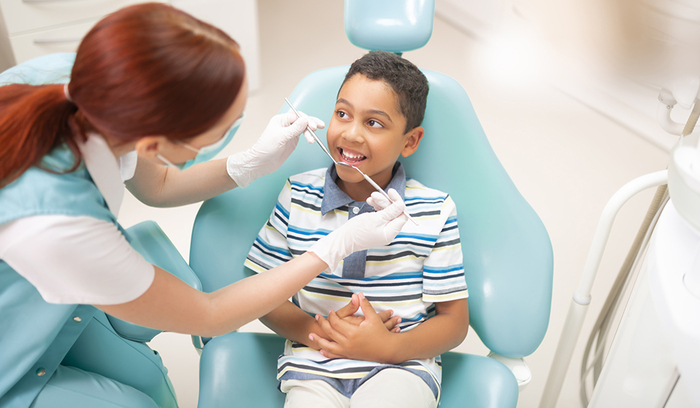
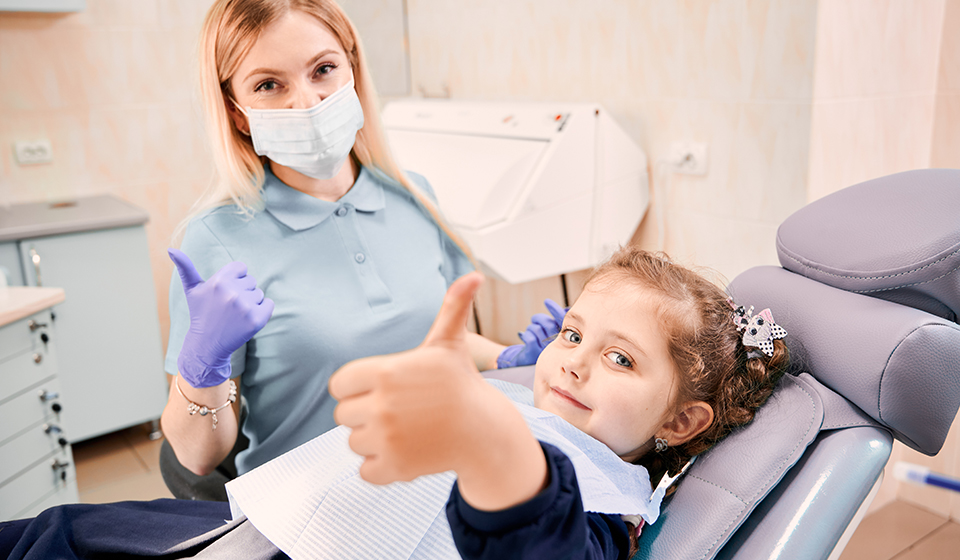
A child’s first dental appointment is a milestone that sets the foundation for a lifetime of healthy smiles. For many parents, this visit can come with excitement and a little uncertainty, especially if it’s their first time bringing their little one to the dentist. The good news is that pediatric dental care today is designed to be comfortable, educational, and even fun. The goal is to ensure that children feel at ease in the dental chair and leave with positive memories about their experience. When it comes to expert and compassionate care, children’s dentistry in Houston focuses on creating a nurturing environment that encourages long-term oral wellness from an early age.

At Unident Family Dentistry, we believe that introducing your child to dental visits early is one of the best investments in their health. A first appointment is more than just a checkup; it’s the beginning of building trust, learning proper oral habits, and establishing a relationship with a dental team that truly cares.

Some benefits of early dental visits include:

  • Early detection of cavities or tooth decay
  • Guidance on teething, brushing, and nutrition
  • Prevention of dental anxiety and fear
  • Education for parents on home care routines
  • Establishing a foundation for lifelong oral health

Preparing Your Child for Their First Dental Appointment

Preparation plays a big role in ensuring that your child’s first dental experience is a positive one. The more familiar and relaxed they feel, the better their cooperation and comfort during the visit.

Here are some ways to prepare:

  • Talk positively about the dentist—avoid using words like “pain” or “shot.”
  • Read children’s books about visiting the dentist to build familiarity.
  • Schedule the appointment during a time of day when your child is well-rested and fed.
  • Stay calm and encouraging—children often mirror their parents’ emotions.
  • Bring comfort items, such as their favorite toy or blanket, to help them feel safe.

This preparation not only eases anxiety but also teaches your child that dental visits are a normal and healthy part of life.

What Happens During the First Visit

Your child’s first dental visit is typically short and simple, focusing on comfort and education rather than treatment. The dentist will gently examine your child’s teeth, gums, and mouth to ensure everything is developing properly.

The visit usually includes:

  • A quick but thorough examination of teeth and jaw development
  • Checking for early signs of decay or other oral issues
  • Gentle cleaning (if needed) to remove plaque or food particles
  • Demonstration of proper brushing and flossing techniques
  • Discussion about diet, thumb-sucking, and bottle habits

Parents are encouraged to stay with their child throughout the appointment, helping them feel secure and supported. The dentist will also answer any questions you might have about your child’s oral health.

What to Expect After the Appointment

After the first dental visit, your child might be a little tired but should feel comfortable and happy overall. The dentist will likely schedule follow-up visits every six months to monitor your child’s growth and address any changes in their oral health.

Between visits, parents play a vital role in maintaining healthy habits at home. Encourage your child to brush twice daily using a small, soft-bristled toothbrush and fluoride toothpaste. Flossing should begin once two teeth touch.

You can also support good oral health by:

  • Limiting sugary snacks and drinks
  • Encouraging water over juice or soda
  • Scheduling regular dental checkups
  • Reinforcing positive dental habits through praise and consistency

Consistency is key to ensuring your child’s teeth remain strong and healthy as they grow.

The Role of Preventive Care in Children’s Dentistry

Preventive care is the cornerstone of healthy smiles. It focuses on avoiding dental issues before they occur rather than treating them after they develop. Regular cleanings, fluoride treatments, and dental sealants are some of the preventive measures that can help protect your child’s teeth.

Preventive children’s dentistry not only keeps teeth cavity-free but also helps instill healthy habits that last a lifetime. When children grow up understanding the importance of oral hygiene, they’re more likely to continue caring for their smiles as adults.

Preventive measures may include:

  • Regular dental exams and cleanings
  • Fluoride applications to strengthen enamel
  • Dental sealants to protect molars from decay
  • Education on brushing, flossing, and nutrition

The earlier these habits begin, the better the long-term results for your child’s oral health.

Conclusion

Your child’s first dental appointment is an important step toward a lifetime of strong, healthy teeth. It’s about more than just checking for cavities, it’s about building confidence, comfort, and trust in professional dental care. By starting early and maintaining regular visits, you’re giving your child the best chance for lifelong oral health.

At Unident Family Dentistry in Houston, we make every effort to ensure that your child’s first visit is positive, educational, and full of smiles. With a caring team and a welcoming environment, we’re here to help your family experience the best in modern children’s dentistry.

A child’s first dental visit is more than just a milestone—it’s the beginning of a lifelong journey toward healthy teeth and confident smiles. For many parents, however, preparing their little one for this new experience can feel a bit overwhelming. The good news is that with the right approach, you can turn your child’s first dental appointment into a positive and even exciting event. When it comes to building a healthy foundation, nothing is more valuable than starting early with professional care. That’s why parents searching for trusted children’s dentistry in Houston need practical strategies that make dental visits smooth and stress-free.

Children respond best when dental care feels familiar, comfortable, and even fun. By introducing them to good habits early, setting the right expectations, and choosing a supportive dental team, you’re not just preparing them for a single appointment—you’re helping them develop confidence in their dental health for years to come.

Why the First Visit Matters in Children’s Dentistry

Early dental appointments aren’t just about checking for cavities. They set the stage for how a child perceives dentistry as a whole. A positive first experience can:

  • Build trust between the dentist, child, and parents.
  • Establish healthy oral care routines early in life.
  • Identify potential concerns like misaligned teeth or decay before they progress.
  • Reduce the likelihood of future dental anxiety.
  • Encourage kids to see dental care as a normal and important part of their lives.

When children understand that dentistry is a place where they are cared for—not feared—they’re more likely to continue regular visits throughout adulthood.

Setting Expectations: Talking About the Dentist

One of the most effective ways to prepare kids is by talking openly about what to expect. Avoid words that sound scary, like “needle” or drill, and instead use positive, age-appropriate language. For example, describe the dentist as a “tooth doctor” who helps keep smiles shiny and strong.

Tips for talking with your child:

  • Read storybooks about dental visits together.
  • Role-play a “pretend dentist visit” at home using a mirror and toothbrush.
  • Highlight the fun parts, like sitting in a big chair or getting a new toothbrush.
  • Reassure them that the dentist’s job is to help, not hurt.

When you normalize the experience through conversation, your child arrives at the appointment feeling more comfortable.

Preparing at Home Before the Appointment

Dental readiness begins in your own bathroom. Practicing oral hygiene together reinforces the importance of dental health and helps kids feel involved.

Encourage your child to:

  • Brush their teeth twice a day using child-friendly toothpaste.
  • Floss gently with your guidance.
  • Practice opening wide so the dentist can check their teeth easily.
  • Choose their favorite toothbrush with bright colors or fun characters.

The goal is to make oral care a fun daily routine so visiting the dentist feels like a natural extension of what they already do at home.

The Role of Parents During the First Visit

Your child takes cues from you. If you show calmness and confidence, they are more likely to mirror that attitude.

Here’s how parents can help during the appointment:

  • Stay positive and encouraging throughout the visit.
  • Avoid transferring any of your own dental anxieties.
  • Allow the dental team to guide your child through the process.
  • Offer praise and small rewards after the appointment to celebrate success.

When parents remain supportive and relaxed, children feel safer and more willing to cooperate.

Creating a Kid-Friendly Experience in Children’s Dentistry

Pediatric and family dentists understand the unique needs of children. From a welcoming environment to gentle care techniques, children’s dentistry in Houston focuses on making visits stress-free.

Look for a dental practice that offers:

  • Bright, cheerful décor to reduce anxiety.
  • A patient, understanding team trained in children’s needs.
  • Preventive care services like fluoride treatments and sealants.
  • Age-appropriate education on brushing, flossing, and healthy eating habits.

These details make a huge difference in turning dental visits into positive experiences your child can look forward to.

Teaching Lifelong Habits Through Dentistry

Your child’s first dental appointment isn’t just about today’s visit—it’s about shaping future behaviors. Dentists emphasize preventive care by teaching kids how to:

  • Brush and floss properly.
  • Limit sugary snacks and drinks.
  • Understand the connection between oral health and overall well-being.

By starting early, you give your child the tools they need to protect their smile into adulthood.

Conclusion

Helping your child prepare for their first dental appointment is one of the greatest investments you can make in their long-term health. Through open conversations, practicing good habits at home, and partnering with a caring dental team, you transform what could be an intimidating experience into a joyful one.The foundation you build today will shape how your child feels about dentistry tomorrow. At Unident Family Dentistry in Houston, our goal is to make every child feel comfortable, supported, and excited about keeping their smile bright and healthy for life.

New Patient Forms