A complete and confident smile plays a major role in both oral health and self-esteem. Missing teeth can affect speech, chewing ability, facial structure, and overall confidence. Modern dental technology has transformed tooth replacement solutions, making dental implants one of the most reliable and natural-looking options available today. Whether replacing a single missing tooth or multiple teeth, dental implants offer a permanent solution that feels natural and enhances overall quality of life.
Understanding dental implants
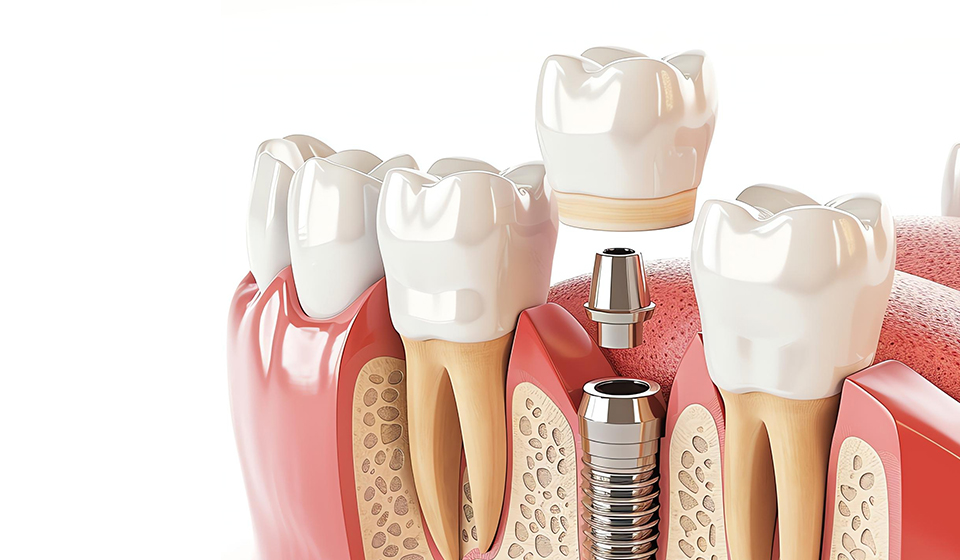
Dental implants are artificial tooth roots. These implants are surgically placed into the jawbone, where they fuse naturally with the bone. This process creates a strong and stable replacement tooth that looks, feels, and functions like a natural tooth.
Dental implants are considered one of the most advanced restorative dental treatments because they support both aesthetics and long-term oral health. Modern advancements in implant dentistry have made treatments more comfortable and efficient than ever before.
The benefits of dental implants
Long-term durability
Dental implants are built to last for many years with proper care. Since the implant integrates with the jawbone, it becomes a stable and permanent part of the mouth. Proper oral hygiene and regular dental visits significantly contribute to the longevity of implant restorations.
Improved oral function
Missing teeth can make everyday activities difficult. Chewing certain foods may become uncomfortable, and speech may be affected. Dental implants restore full chewing strength, allowing patients to enjoy a balanced diet without restrictions.
Because implants function similarly to natural teeth, they help improve pronunciation and speaking clarity. Patients often notice immediate improvements in confidence after treatment is completed.
Jawbone preservation
One major concern after tooth loss is bone deterioration. When a tooth is missing, the jawbone in that area no longer receives stimulation from chewing forces, causing gradual bone loss over time. Dental implants help preserve bone density by stimulating the jawbone just like natural tooth roots. Maintaining jawbone structure is important not only for oral health but also for facial appearance.
Enhanced comfort and confidence
Patients can smile, laugh, and eat comfortably without worrying about instability. This level of security greatly improves confidence and social comfort. Many people also appreciate that implants require no special rules or removal for cleaning. Daily care is similar to caring for natural teeth, making implants convenient and easy to maintain.
The dental implant procedure
Initial consultation and planning
The first step involves a comprehensive dental evaluation that may include digital imaging and scans. This allows the dental team to assess bone density, gum health, and implant placement areas.
Implant placement
During the surgical phase, the implant post is carefully inserted into the jawbone. Local anesthesia is typically used to ensure patient comfort during the procedure. Over the next few months, the implant gradually fuses with the surrounding bone.
Healing and osseointegration
Healing time varies depending on the patient and treatment complexity. During this period, the jawbone securely bonds with the implant, creating a stable foundation for the final restoration.
Final restoration placement
Once healing is complete, a custom-made crown, bridge, or denture is attached to the implant. The final restoration is designed to match surrounding teeth and provide a natural appearance.
Who is a good candidate for dental implants
Dental implants are suitable for many adults who have missing teeth and healthy gums. Candidates should have sufficient jawbone density to support the implant. Even patients with some bone loss may still qualify through bone grafting procedures.
Good oral hygiene and overall health are also important factors in successful implant treatment. During the consultation process, dental professionals evaluate oral structures, gum health, and medical history to determine the best treatment plan.
Patients missing one tooth, multiple teeth, or even a full arch of teeth may benefit from implant-supported restorations. Each treatment plan is customized based on individual needs and smile goals.
Conclusion
Dental implants have become one of the most trusted and effective solutions for replacing missing teeth. They provide strength, stability, and natural aesthetics while supporting long-term oral health. From restoring chewing function to preserving jawbone structure and improving confidence, dental implants offer life-changing benefits for patients seeking a permanent smile solution.
At Unident Family Dentistry in Houston, patients receive personalized dental implant solutions designed to restore both oral health and confidence. Our team focuses on creating strong, natural-looking smiles through advanced techniques and patient-centered care, helping individuals achieve long-lasting comfort.
Frequently asked questions
Do dental implants look natural?
Dental implants are custom-designed to match surrounding teeth in color, shape, and size. Modern materials and advanced techniques help create highly natural-looking results.
Is the dental implant procedure painful?
Most patients experience minimal discomfort during the implant procedure because local anesthesia is used. Mild soreness after surgery is common, but it usually improves within a few days.
How long does the dental implant process take?
The complete process can vary depending on healing time and individual treatment needs. In many cases, the process may take several months to allow proper fusion between the implant and jawbone.
Can dental implants replace multiple missing teeth?
Dental implants can replace one tooth, several teeth, or even a full arch of missing teeth. Treatment options may include implant-supported bridges or dentures for more extensive restorations.
How should dental implants be maintained?
Dental implants should be cared for with regular brushing, flossing, and routine dental visits. Good oral hygiene helps prevent gum disease and supports long-term implant success.