
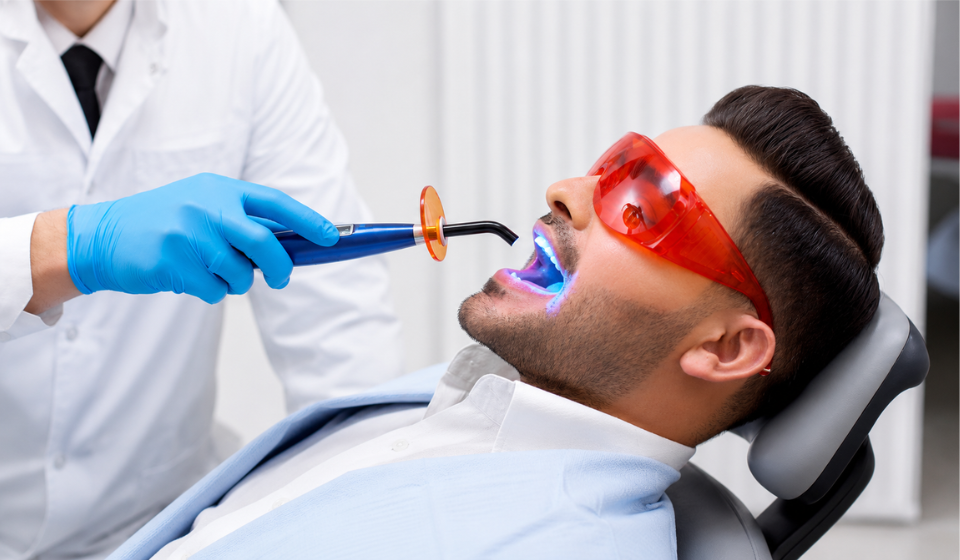
A bright, healthy-looking smile can improve confidence and make everyday interactions feel more comfortable. If you are considering teeth whitening in Westchase, understanding how whitening works and which methods are safest can help you make an informed decision. Professional whitening can effectively reduce many types of stains, but choosing the right treatment and following proper aftercare are important for protecting your teeth and gums.

How teeth whitening brightens your smile safely

Removing surface stains

Surface stains commonly develop from foods, beverages, and tobacco. Professional whitening treatments can help break down these stains and restore a brighter appearance to natural teeth. Good brushing and regular dental cleanings can also help prevent new surface stains from accumulating.

Breaking down deep-set discoloration

Some discoloration occurs deeper within the tooth and may be more difficult to remove. Peroxide-based whitening agents can penetrate the tooth structure and break down certain compounds responsible for darker shades. However, not all types of deep discoloration respond equally to whitening, making a dental evaluation important before treatment.

Protecting tooth enamel and gums

Using whitening products correctly is important for protecting the teeth and surrounding tissues. Professional treatments are carefully planned, and protective measures can help prevent whitening materials from irritating the gums.

Overusing whitening products or leaving them on longer than recommended does not necessarily produce better results. It can instead increase the risk of sensitivity and gum irritation, so treatment instructions should always be followed carefully.

Managing tooth sensitivity

Temporary sensitivity is one of the most common effects associated with teeth whitening. It can occur when whitening ingredients temporarily make the teeth more responsive to hot, cold, or sweet foods and drinks.

Following the recommended treatment schedule can help limit sensitivity. If discomfort becomes significant or continues after treatment, a dentist can recommend ways to adjust the whitening process and make it more comfortable.

What causes teeth to become discolored

Teeth can become discolored for several reasons. Coffee, tea, red wine, dark-colored foods, tobacco, and certain beverages can leave stains on the outer surface of the teeth. Poor oral hygiene can also allow plaque and surface stains to build up over time.

Age is another common factor. As enamel naturally becomes thinner, the yellowish dentin underneath can become more visible. Certain medications, dental trauma, and some dental conditions can also cause deeper discoloration that may not respond to regular whitening products.

How long do teeth whitening results last?

Teeth whitening results are not permanent because new stains can develop over time. How long the results last depends on your diet, oral hygiene habits, tobacco use, and the type of whitening treatment received.

Regular brushing, flossing, and dental cleanings can help maintain a brighter smile. Limiting foods and drinks that commonly cause stains can also help preserve the results for longer.

What to expect during professional teeth whitening

Professional whitening generally begins with an assessment of your teeth and gums. Protective measures help keep whitening materials away from sensitive gum tissue while the whitening agent is applied to the teeth. Treatment time varies depending on the whitening system and desired result.

Temporary sensitivity is one of the most common effects of whitening, while mild gum irritation can also occur. These effects are generally temporary, but persistent discomfort should be discussed with a dental professional.

How can you maintain your results after teeth whitening?

Keeping your teeth looking brighter after whitening largely comes down to consistent oral care. A few everyday habits can also help protect your whitening results: 

  • Brush twice a day with fluoride toothpaste, floss regularly, and attend routine dental visits.
  • Limit coffee, tea, red wine, dark sauces, and other foods or drinks that can stain teeth.
  • Drink water after consuming strongly colored foods or beverages to help rinse away residue.
  • Avoid tobacco products, which can contribute to tooth discoloration.
  • Follow any aftercare instructions provided by your dentist, particularly during the first few days after treatment.

Conclusion 

Teeth whitening can be an effective way to improve the appearance of your smile when the treatment is selected and used appropriately. Understanding what causes discoloration, getting a dental evaluation, and following professional recommendations can help you achieve brighter results while minimizing sensitivity and irritation.

For personalized guidance, Unident Family Dentistry in Houston can help evaluate your smile and determine whether professional teeth whitening is appropriate for your needs. A customized approach can make the whitening process more comfortable while helping you achieve a natural-looking, brighter smile.

Frequently asked questions

Is professional teeth whitening safe?

Professional teeth whitening is generally considered safe when performed under appropriate dental supervision. Temporary tooth sensitivity or gum irritation can occur, but these effects typically resolve after treatment.

How long does professional teeth whitening take?

Treatment time depends on the whitening system and the desired level of brightness. Some in-office treatments can produce noticeable results in about an hour, while take-home professional treatments require repeated applications.

Does teeth whitening work on crowns and veneers?

Whitening treatments affect natural tooth structure and do not lighten tooth-colored restorations such as crowns and veneers. A dentist can help determine how to achieve a more consistent shade if restorations are visible in the smile.

How can tooth sensitivity be reduced after whitening? 

Following the recommended treatment schedule and avoiding overuse can help reduce sensitivity. A dentist may also recommend adjustments to the whitening approach if sensitivity becomes uncomfortable or continues after treatment.

Can everyone get their teeth professionally whitened?

Not everyone is an immediate candidate for whitening. A dental evaluation can identify cavities, gum problems, significant sensitivity, or certain types of discoloration that may need treatment before whitening.
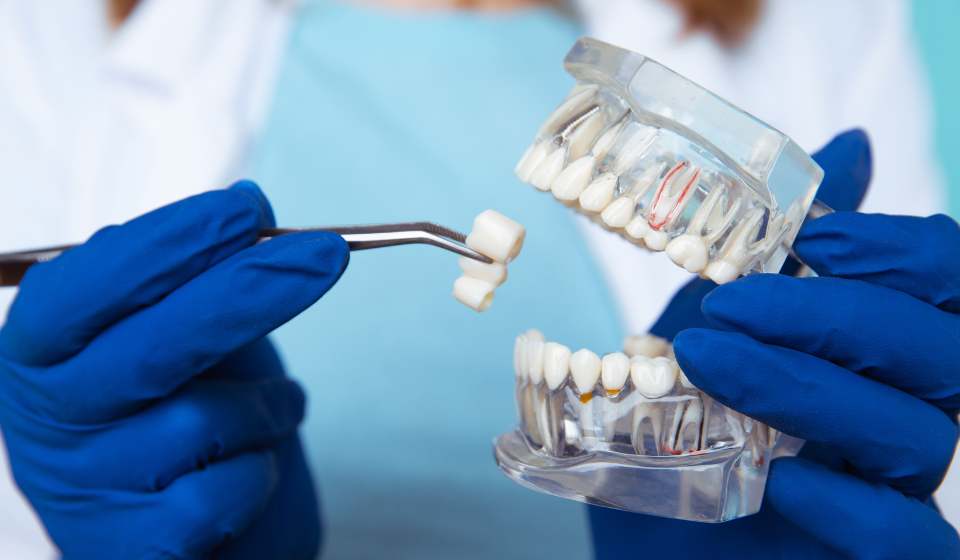
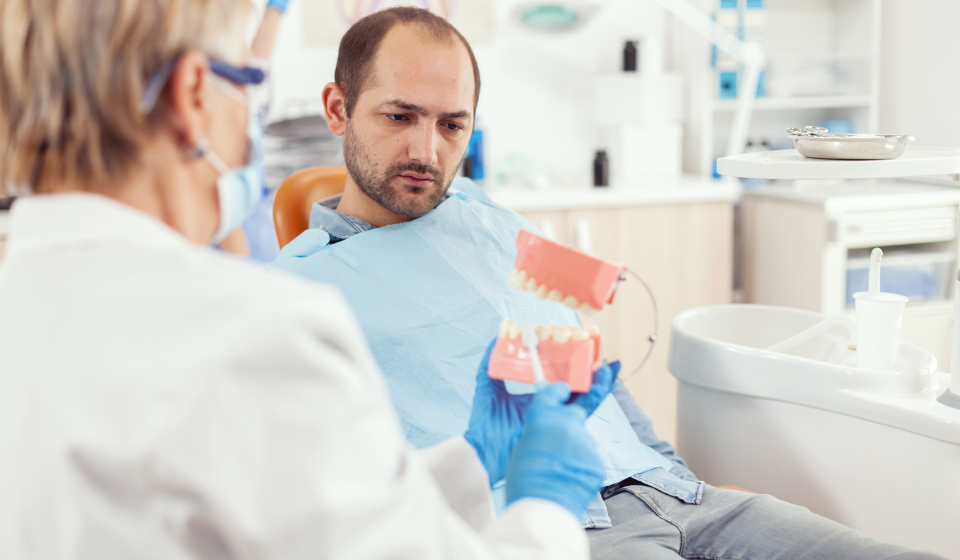
Getting a dental crown can help restore a damaged, weakened, or severely decayed tooth while improving its strength, function, and appearance. If you are considering dental crowns in Westchase, understanding what happens before, during, and after the procedure can make the experience feel more comfortable and predictable. From preparing the tooth to adjusting to your permanent crown, knowing what to expect can also help you follow proper aftercare and protect your restored tooth.

What is a dental crown and when do you need one

A dental crown is a custom-made covering that fits over a damaged or weakened tooth. It helps restore the tooth’s shape, strength, function, and appearance while providing protection from further damage. Crowns can be made from materials such as porcelain, ceramic, zirconia, or metal, depending on the tooth’s location and individual needs.

A dentist may recommend a crown when a tooth has extensive decay, a large filling, a crack, or significant damage that cannot be effectively treated with a filling. Crowns may also be used to restore teeth after root canal treatment or to complete certain restorative dental procedures.

What happens during a dental crown procedure

Examining and preparing the tooth

The dentist first examines the tooth and surrounding tissues to determine whether a crown is appropriate. X-rays may be taken to evaluate the tooth’s roots and supporting structures. Once the tooth is prepared, local anesthesia is typically used to keep the procedure comfortable.

The damaged or decayed portions of the tooth are removed, and the remaining tooth is carefully shaped so the crown can fit securely over it. The amount of tooth preparation depends on the type of crown and the condition of the tooth.

Taking dental impressions or digital scans

After preparation, an impression or digital scan is taken to create a crown that matches the size and shape of the prepared tooth. The dentist may also record the color and shape of nearby teeth when appearance is an important consideration. These details help the dental laboratory create a restoration that fits naturally within the smile.

Placing a temporary crown

A temporary crown may be placed while the permanent crown is being made. It helps protect the prepared tooth and allows normal function during this period. Temporary crowns are not designed to be as durable as permanent restorations, so extra care may be recommended when eating and cleaning around them.

Fitting and placing the permanent crown

Once the permanent crown is ready, the dentist removes the temporary restoration and checks the new crown for fit, shape, color, and bite. Adjustments can be made if necessary. When everything is satisfactory, the crown is securely bonded or cemented into place.

What to expect immediately after a dental crown

Tooth sensitivity and mild soreness

Some sensitivity or mild soreness can occur after crown placement. The tooth may be temporarily sensitive to hot or cold foods and beverages, particularly during the first few days. The surrounding gum tissue may also feel slightly tender.

These effects generally improve as the tooth and surrounding tissues adjust. However, persistent pain, significant sensitivity, swelling, or discomfort when biting should be discussed with a dentist because the crown or underlying tooth may require further evaluation.

Eating and drinking after crown placement

Follow the dentist’s instructions regarding when to eat after the procedure, particularly if local anesthesia was used. Until normal sensation returns, avoid chewing because numbness can make it easier to accidentally bite the cheek, tongue, or lip.

Once eating normally is comfortable, choose foods that are easy to chew if the tooth feels tender. Avoid very hard or sticky foods, especially if a temporary crown is still in place.

How to care for your dental crown after the procedure

Proper care can help keep your dental crown clean, comfortable, and functional for many years. Good oral hygiene and healthy habits are important for protecting both the crown and the natural tooth underneath it. 

  • Brush and floss as usual: Brush your teeth twice daily with fluoride toothpaste and floss between your teeth every day. Pay attention to the area around the crown and gumline to help remove plaque and food particles.
  • Avoid hard and sticky foods: Limit very hard or sticky foods that can place unnecessary pressure on your crown. Avoid chewing ice, biting hard objects, or using your teeth to open packages, as these habits may damage the crown.
  • Protect your crown if you grind your teeth: Grinding or clenching your teeth can put excessive pressure on a dental crown. If nighttime grinding is a concern, a dentist may recommend a custom mouthguard to help protect your crown and other teeth.
  • Keep up with regular dental check-ups: Schedule routine dental visits so the crown, surrounding gums, and underlying tooth can be monitored. Regular check-ups and professional cleanings can help identify potential problems early and support the longevity of your restoration.

Conclusion 

A dental crown procedure is a common restorative treatment designed to protect damaged teeth and restore their function and appearance. Although mild sensitivity or soreness may occur initially, proper oral hygiene, thoughtful eating habits, and regular dental care can help the crown remain comfortable and functional for years.

For patients considering restorative dental treatment, Unident Family Dentistry in Houston provides personalized dental care focused on comfort, function, and long-term oral health. Our dental team can evaluate the condition of a tooth and recommend an appropriate treatment based on individual needs.

Frequently Asked Questions

How long does a dental crown procedure take?

The procedure typically involves tooth preparation, impressions or digital scanning, and placement of the permanent crown at a later appointment. The total treatment time depends on the tooth, restoration, and dental practice’s process.

What should you do if your dental crown feels loose?

A loose crown should be evaluated by a dentist as soon as possible. Avoid chewing on that side and do not attempt to permanently reattach the crown yourself.

How should you brush and floss after getting a dental crown?

Brush the crowned tooth normally with fluoride toothpaste and continue cleaning between the teeth every day. Floss carefully around the crown and gumline to help prevent plaque buildup.

How often should a dental crown be replaced?

Dental crowns do not have a fixed replacement schedule because their lifespan depends on oral hygiene, biting forces, materials, and other factors. A well-maintained crown can often last many years, but regular dental examinations are important for monitoring its condition.

Can a dental crown feel different at first?

Yes, a new crown may initially feel slightly different from the natural tooth or surrounding teeth. The mouth usually adjusts quickly, but a persistent uncomfortable bite should be checked by a dentist.

Missing teeth can affect more than appearance. They can make chewing difficult, influence speech, and change the way the lips and cheeks are supported. Dentures are a common tooth replacement option designed to restore these everyday functions while helping create a more natural-looking smile. For people considering dentures in Westchase, understanding what dentures are, how they work, and what the treatment process involves can make the decision easier.

What are dentures?

Dentures are removable dental appliances designed to replace some or all missing teeth. They are custom-made to fit the shape of the mouth and are typically made from materials such as acrylic, resin, metal, or a combination of these materials. Depending on the type, dentures can replace an entire arch of teeth or only the teeth that are missing.

Modern dentures are designed to look natural and provide a comfortable fit. They can restore basic oral functions while also supporting the appearance of the face. Properly fitted dentures should feel secure during everyday activities and can be adjusted by a dental professional if changes in fit or comfort occur.

What are the different types of dentures?

The type of denture recommended depends on the number of missing teeth, the condition of the remaining teeth, oral health, and individual treatment needs.

  • Complete dentures: Complete dentures replace all teeth in the upper arch, lower arch, or both. They rest over the gums and are designed to restore chewing, speech, and facial support when all natural teeth are missing.
  • Partial dentures: Partial dentures replace several missing teeth while working around the remaining natural teeth. They may use clasps or other components to help maintain their position and restore the appearance and function of the smile.
  • Immediate dentures: Immediate dentures are prepared before natural teeth are removed and can be placed soon after extraction. They allow the appearance of the smile to be maintained while the gums heal and a more permanent fit is established.

How Do Dentures Work

Getting dentures typically involves several steps to make sure the final appliance fits comfortably and meets functional and aesthetic needs.

  • Dental examination and treatment planning: A dental professional examines the mouth, gums, remaining teeth, and jaw structures before recommending an appropriate denture option. Any necessary dental treatment may be completed before impressions or scans are taken.
  • Taking impressions or digital scans: Impressions or digital scans capture the shape and contours of the mouth. This information helps create dentures that are designed to fit the individual oral anatomy.
  • Creating and fitting the dentures: The denture is fabricated based on the measurements and records collected during the examination. During the fitting appointment, the dental professional checks the fit, appearance, bite, and overall comfort.
  • Making adjustments for comfort: Minor adjustments may be necessary after the dentures are placed. These changes can improve comfort, reduce areas of irritation, and help the appliance function more effectively.

Key Benefits of Wearing Dentures

Replacing missing teeth

Dentures fill spaces created by missing teeth and provide artificial teeth that are shaped to support normal oral function. Replacing missing teeth can make it easier to bite and chew food while also restoring a more complete appearance to the smile.

Supporting chewing and speech

Missing teeth can make certain foods difficult to chew and may affect the way some sounds are produced. Dentures provide tooth surfaces that help with chewing and can support clearer speech as the mouth becomes accustomed to the appliance.

Staying securely in the mouth

Traditional dentures rely on their close fit against the gums and underlying oral structures for stability. Denture adhesives may sometimes provide additional support, but a properly fitted denture should be designed to remain reasonably stable during normal activities.

Supporting the lips and facial appearance

Natural teeth help support the lips and facial tissues. When teeth are missing, changes in facial contours can become more noticeable over time. Dentures can help restore some of this support, contributing to a fuller and more balanced facial appearance.

Adapting to dentures over time

Getting used to dentures takes time. There may initially be increased saliva, mild gum irritation, or a feeling that the appliance is unusual in the mouth. With consistent use and proper adjustments, many people become more comfortable speaking, eating, and wearing their dentures.

Conclusion

Dentures can replace missing teeth, restore important oral functions, support facial appearance, and help people feel more confident about their smiles. The right type of denture depends on the number of missing teeth, oral health, lifestyle, and desired level of stability, making professional evaluation and proper maintenance important for a comfortable and functional result.

Choosing the right tooth replacement option can make a meaningful difference in everyday comfort, function, and confidence. Unident Family Dentistry in Houston provides personalized dental care for patients considering tooth replacement options such as dentures, helping determine which solution is appropriate for comfort, function, and a natural-looking appearance.

Frequently asked questions

How long does it take to get used to dentures?

Adjusting to dentures can take several weeks, although the experience varies from person to person. Regular use, proper care, and professional adjustments can make the adaptation process more comfortable.

Can you eat normally with dentures?

Dentures can help restore chewing ability, but eating may feel different at first. Starting with softer foods and gradually introducing firmer foods can help build confidence and improve comfort.

Can dentures improve speech?

Yes, dentures can help improve speech when missing teeth have affected pronunciation. Some people may notice temporary changes in speech while the tongue and mouth muscles adjust to the new appliance.

Do dentures need to be removed at night?

Traditional removable dentures are commonly removed at night to give the gums and oral tissues a chance to rest. Following the dental professional’s specific instructions is important because individual denture needs can vary.

What should you do if your dentures feel loose?

Loose dentures may indicate that the appliance needs adjustment or that changes in the gums and jaw have affected its fit. A dental professional should evaluate the dentures rather than attempting to reshape or modify them at home.

New Patient Forms