
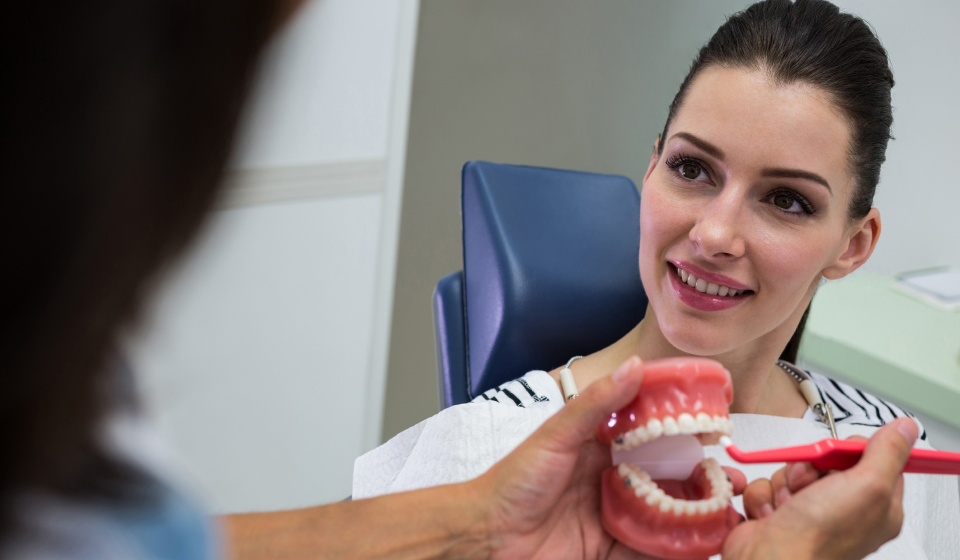
Losing one or more teeth can make everyday activities like eating and speaking difficult. Some people may struggle to chew certain foods, while others may feel self-conscious about gaps in their smile. Dentures help replace missing teeth, making it easier to eat, speak, and smile with greater confidence.

Dentures come in different designs depending on how many teeth need replacing and the condition of the mouth. Some replace an entire set of teeth, while others fill gaps between natural teeth. Understanding how these options work, what the fitting process involves, and how to care for dentures can help patients know what to expect from treatment.

When might someone need dentures?

Dentures are removable dental appliances that replace missing teeth and, in some cases, surrounding gum tissue. A dentist may recommend them when several teeth are missing or when all the teeth in the upper or lower jaw have been lost.

Tooth loss can happen because of severe decay, advanced gum disease, injuries, or other dental problems. Sometimes, teeth become so damaged that removing them is the most appropriate option.

Dentures may help when missing teeth make chewing difficult, affect speech, or change facial appearance. However, they are not suitable for everyone. A dentist needs to examine the gums, remaining teeth, and jawbone before recommending treatment.

What types of dentures replace missing teeth?

The type of denture recommended depends largely on the number of missing teeth and whether any healthy natural teeth remain.

Full dentures for complete tooth loss

Full dentures replace all the teeth in the upper jaw, lower jaw, or both. They contain artificial teeth attached to a gum-colored base that rests on the gums.

Conventional full dentures are usually made after the gums have healed following any necessary extractions. A proper fit is important because the dentures rely on the shape of the mouth and surrounding tissues for support.

Partial dentures for some missing teeth

Partial dentures replace one or several missing teeth when some natural teeth remain. They are designed to fit around existing teeth and may use clasps or other attachments for support.

Besides filling visible gaps, partial dentures can help distribute chewing forces and reduce unwanted movement of neighboring teeth. The dentist checks the remaining teeth to determine whether they can adequately support the appliance.

Immediate dentures after tooth extraction

Immediate dentures are made before a patient’s teeth are removed and placed in the mouth shortly after extraction.

This option allows patients to have replacement teeth while their gums heal. However, the gums and jawbone gradually change shape after extraction, which can affect the fit.

Patients may need several adjustments, relining, or a new denture once healing is complete.

What should you know before getting dentures?

Getting dentures usually involves several appointments, followed by a period of adjustment. Knowing what happens at each stage can make the experience easier to manage.

The process of getting fitted for dentures

The dentist begins by examining the mouth and assessing the gums, jawbone, and any remaining natural teeth.

Impressions or digital scans are taken to create a denture that matches the shape of the mouth. Measurements and trial fittings may be needed to check the position of the artificial teeth and how the upper and lower jaws meet.

Once the denture is ready, the dentist checks its fit and makes adjustments to improve comfort and function.

Getting used to wearing dentures

New dentures may feel bulky or unfamiliar during the first few weeks. Some patients notice increased saliva, minor soreness, or difficulty pronouncing certain words.

Eating soft foods, taking small bites, and practicing speaking aloud may help during this adjustment period.

Persistent pain, rubbing, or loose dentures should be checked by a dentist rather than ignored.

Cleaning and caring for dentures

Dentures need daily cleaning because food particles, plaque, and stains can collect on their surfaces.

A soft denture brush and an appropriate cleanser can help keep them clean. Most removable dentures should be taken out at night and stored according to the dentist’s instructions.

Patients should also clean their gums, tongue, and remaining natural teeth to maintain oral hygiene.

Restore missing teeth with unident family dentistry

Dentures can help improve chewing, speaking, and the appearance of a smile after tooth loss. Choosing the right type depends on how many teeth are missing and the condition of the gums and remaining teeth. A dental examination can help determine the most suitable option.

Unident Family Dentistry offers tooth replacement options based on each patient’s dental needs. The practice provides dentures in Westchase, including full, partial, and immediate dentures. Schedule a consultation to discuss your dental concerns and available treatment options.

Frequently asked questions

Can dentures help with chewing and speaking?

Yes. Properly fitted dentures can improve chewing and help patients pronounce words that may have become difficult because of missing teeth. Some adjustment and practice may be necessary.

Are dentures removable?

Conventional full and partial dentures are removable, allowing patients to take them out for cleaning. Implant-supported designs may have different removal requirements.

How often should dentures be replaced?

Dentures often need replacement after approximately five to ten years, depending on wear and changes in the mouth. Regular examinations help determine whether replacement or adjustments are necessary.

Do dentures require professional checkups?

Yes. Dentists check the fit of the dentures and examine the gums and other oral tissues for irritation or changes. These appointments can help identify problems before they become uncomfortable.

Can dentures be fitted immediately after tooth extraction?

Yes. Immediate dentures can be placed shortly after teeth are extracted. However, adjustments or relining may be needed as the gums and jawbone heal.


Finding the right dentist for a child takes some consideration. As children grow, their teeth and jaws go through several changes, and regular dental visits help monitor their oral health. A dentist who has experience working with children can help parents understand these changes and address dental concerns early.

Parents also need to consider how a dentist interacts with young patients, responds to their concerns, and communicates during appointments. These details can make a difference in how comfortable children feel about visiting the dentist and how confidently parents make decisions about their dental care.

Why does early dental care matter for children?

Early dental care helps children develop healthy teeth and gums while allowing dentists to monitor oral development. Baby teeth play an important role in chewing, speaking, and maintaining space for permanent teeth. Problems affecting these teeth can cause discomfort and may influence the development of the permanent teeth.

Regular dental examinations allow dentists to check for cavities, gum problems, and changes in tooth alignment. Identifying these concerns early can help prevent complications and allow treatment when necessary.

Early appointments also help children become familiar with the dental environment. Positive experiences during childhood may reduce dental anxiety and encourage regular dental visits as children grow older.

What factors should you consider when choosing a children’s dentist?

Finding a suitable dentist involves considering how the dental practice approaches children’s care and communicates with families. Several factors can help parents make an informed decision.

Experience with children’s dental needs

A dentist who regularly treats children understands how dental needs change with age. Younger children may require help with brushing habits and cavity prevention, while older children may need monitoring as permanent teeth develop.

Parents can ask about the dentist’s experience treating children of different ages, available preventive services, and approach to managing common childhood dental problems.

A gentle approach to dental anxiety

Some children feel nervous about dental appointments, particularly when visiting for the first time. An unfamiliar environment, dental instruments, and new procedures can contribute to these feelings.

A dentist who uses age-appropriate explanations and allows children time to become comfortable can help reduce anxiety. Parents should look for a practice that responds patiently to questions and considers the child’s comfort during examinations and treatment.

Clear communication with parents

Good communication helps parents understand their child’s oral health and any recommended treatment.

The dentist should explain examination findings, discuss treatment options, and provide clear instructions for home care. Parents should also feel comfortable asking questions about dental development, cavity prevention, and future appointments.

How can a children’s dentist support your child’s dental health?

Children’s dental care includes preventive services, developmental monitoring, and guidance that supports healthy oral habits. Regular appointments allow dentists to address changing needs throughout childhood.

Monitoring tooth development

As children grow, their primary teeth gradually make way for permanent teeth. Dentists monitor this transition to check whether teeth are erupting as expected and identify possible concerns involving alignment, spacing, or bite development.

When necessary, the dentist may recommend further evaluation or referral to an orthodontist.

Identifying dental problems early

Tooth decay can develop even in young children. During routine examinations, dentists check for cavities, gum inflammation, and other oral health concerns.

Depending on the child’s needs and cavity risk, preventive care may include professional cleanings, fluoride treatments, and dental sealants. These services can help protect teeth and reduce the likelihood of future dental problems.

Building healthy oral care habits

Children need guidance to develop proper brushing and flossing habits. Dentists can demonstrate age-appropriate cleaning techniques and explain why consistent oral hygiene matters.

They may also advise parents on fluoride toothpaste, limiting sugary snacks and drinks, and supervising brushing until children can clean their teeth effectively.

These recommendations help families establish daily routines that support long-term oral health.

Supporting your child’s dental health with unident family dentistry

Choosing the right dentist for a child involves considering the dentist’s experience with young patients, approach to dental anxiety, and communication with parents. These factors can help families make informed decisions about their child’s dental care. As a children’s dentist in Westchase, Unident Family Dentistry offers routine dental exams, professional cleanings, and preventive treatments for young patients. The practice also helps parents understand their child’s tooth development, address dental concerns, and establish healthy oral hygiene habits. Schedule an appointment to discuss your child’s dental health and care needs.

Frequently asked questions 

When should a child first visit the dentist?

Children should have their first dental visit when the first tooth appears or no later than their first birthday. Early appointments help dentists check oral development and provide guidance on caring for baby teeth.

How often should children have dental checkups?

Many children benefit from dental checkups every six months. However, the dentist may recommend a different schedule depending on the child’s oral health and risk of developing cavities.

How can parents prepare a child for a dental visit?

Parents can explain the appointment using simple, positive language and describe what the dentist may do. Reading children’s books about dental visits and avoiding frightening descriptions can also help a child feel comfortable.

Why are baby teeth important?

Baby teeth help children chew food, develop speech, and maintain space for permanent teeth. Keeping them healthy can prevent pain, infection, and problems that may affect developing permanent teeth.

How can parents help prevent cavities in children?

Parents can encourage twice-daily brushing with fluoride toothpaste, help with flossing, and limit frequent sugary snacks and drinks. Regular dental appointments also help identify early signs of decay and determine whether preventive treatments are needed.

Your first visit to a cosmetic dentist is a chance to understand your dental health and possible options. You may have concerns about stained teeth, chipped teeth, gaps, or other dental problems. During the appointment, the dentist will examine your teeth and gums to check for any issues that may need attention.

If you are planning to visit a cosmetic dentist in Westchase, knowing what to expect can help you feel prepared. The dentist will discuss your concerns, explain any findings, and recommend suitable treatments. Treatment may not begin during this first visit, as some dental problems may need to be addressed before cosmetic procedures.

What happens during your first visit to a cosmetic dentist?

Your first appointment usually includes a dental examination and a discussion about your oral health. The dentist checks for existing problems and explains which treatments may suit your needs.

Comprehensive oral examination

The dentist checks your teeth and gums for issues such as cavities, damaged teeth, gum inflammation, and bite problems. This examination helps determine whether any dental issues need treatment before cosmetic procedures can begin. 

Assessment of existing dental health concerns

The dentist may also check for worn enamel, tooth sensitivity, teeth grinding, or problems with existing fillings and other dental work. These issues can affect which treatments are suitable and whether any dental problems need attention first. 

Discussion of suitable treatment options

After the examination, the dentist explains the available options based on your oral health. Professional teeth whitening may help with tooth discoloration, while dental bonding can repair some minor chips. Veneers or crowns may be considered for certain other concerns, depending on the condition of the teeth. The dentist can also explain how many appointments may be needed for the recommended treatment.

How should you prepare for your first appointment with a cosmetic dentist?

Preparing for your appointment can help the dentist understand your dental history and any problems you are experiencing. A little preparation also makes it easier to discuss your concerns during the visit.

Bring your dental history

Bring any relevant dental records, recent X-rays if available, and details of previous procedures, such as fillings, crowns, or orthodontic treatment. You should also tell the dentist about any medications you take, allergies, or medical conditions that may affect your dental care.

List your current dental concerns

Before your appointment, make a note of any dental problems you have noticed. These may include tooth discoloration, gaps, chipped teeth, sensitivity, or discomfort. Sharing these concerns helps the dentist understand what needs attention and discuss suitable treatment options.

Prepare for a full dental assessment

Even if you are visiting a cosmetic dentist for a specific concern, your overall oral health may need to be checked before treatment is recommended. Brush and floss as usual before your appointment, and be ready to explain any discomfort, sensitivity, or previous dental problems you have experienced.

What questions should you ask during your initial consultation with a cosmetic dentist?

Asking questions during your consultation can help you understand your dental condition and the treatment available. Consider asking the following questions:

  • Which treatment is right for my dental concern? Ask which options may be suitable for your specific problem.
  • What results can I expect? Find out what the treatment may improve and what its limitations are.
  • How many appointments will I need? Ask how long the treatment may take.
  • Are there any risks or side effects? Ask about possible tooth sensitivity, discomfort, or other complications. 
  • How long will the results last? Ask what maintenance may be needed and what can affect the results over time.
  • How much will the treatment cost? Request an estimated cost and ask about available payment options.
  • Are there other treatment options? Find out whether alternative procedures may also address your concern.

These questions can help you understand your options and decide on the next steps with your dentist.

How long does the first visit to a cosmetic dentist typically last?

A first visit to a cosmetic dentist may take about 30 to 60 minutes, but the exact time depends on your dental needs and the checks required during the appointment.

Initial consultation and discussion

The visit usually starts with a conversation about your dental history and current concerns. The dentist may ask about any discomfort, sensitivity, or previous dental treatments to better understand your needs.

Dental examination and x-rays, if needed

The dentist examines your teeth and gums to check for problems that may affect treatment. If X-rays, photographs, or digital scans are needed, these may add time to the appointment.

Review of examination findings and next steps

At the end of the visit, the dentist explains the findings and discusses possible next steps. If a dental problem needs attention before cosmetic treatment, you may need to schedule another appointment first.

Final thoughts

Your first visit to a cosmetic dentist helps you understand your oral health and learn which treatments may be suitable for your needs. Sharing your dental concerns, providing your medical history, and asking questions can help you understand the next steps before deciding on treatment.

Unident Family Dentistry in Westchase offers cosmetic dental services such as teeth whitening, dental bonding, veneers, and dental restorations.  Patients can schedule a consultation to discuss their dental concerns and learn more about available treatment options.

Frequently asked questions

Can you get cosmetic dental treatment if you have cavities?

Yes, but cavities generally need to be treated before procedures such as veneers or whitening. The dentist will assess your oral health and recommend the appropriate treatment sequence.

Will the dentist check for gum disease?

Yes, assessing gum health is an important part of a comprehensive dental examination. If signs of gum disease are present, treatment may be recommended before proceeding with cosmetic procedures.

Is cosmetic dentistry suitable for people with sensitive teeth?

Yes, some cosmetic treatments may be suitable for people with sensitive teeth. However, the dentist must evaluate the cause and severity of sensitivity before recommending a procedure.

Will treatment begin during the first visit?

Usually, the first visit focuses on consultation, examination, and treatment planning. Some simple procedures may be performed on the same day, depending on the patient’s oral health, treatment requirements, and appointment arrangements.

New Patient Forms