
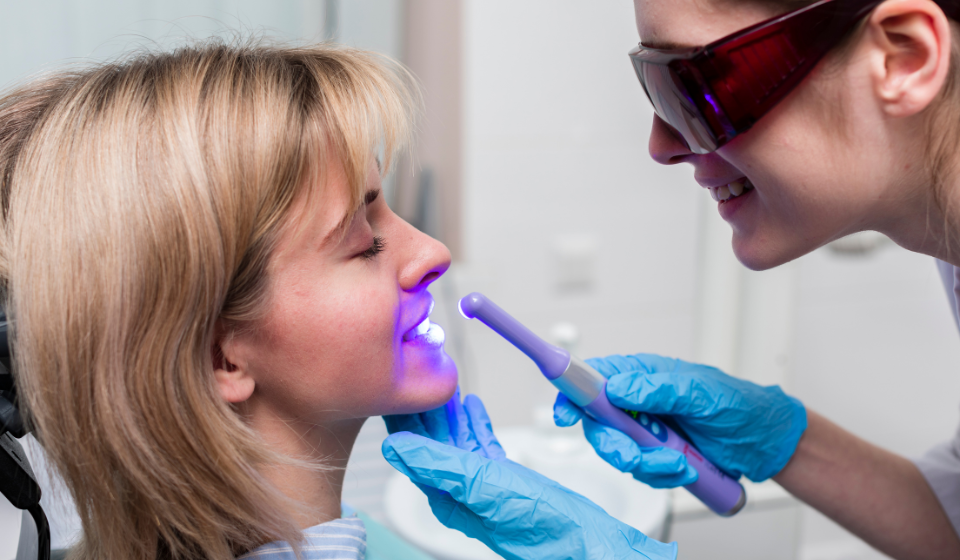
A bright, healthy-looking smile can improve confidence and leave a lasting impression. Teeth naturally lose their brightness over time because of aging, food, beverages, tobacco use, and certain medications. Professional whitening offers a safe and effective way to reduce stains and restore a more vibrant smile.

If you are considering teeth whitening in Westchase, understanding the treatment process can help you feel prepared and confident before your appointment. Knowing what happens before, during, and after the procedure also helps set realistic expectations and ensures better long-term results.

Why do teeth become stained

Tooth discoloration happens for many reasons, and identifying the cause helps determine the most effective whitening approach. Surface stains often develop from coffee, tea, or dark-colored foods. These stains build up gradually and make teeth appear dull or yellow.

While some deeper stains can be more difficult to remove, professional whitening treatments are designed to improve the overall appearance of the teeth more effectively than many over-the-counter products.

What happens during the teeth whitening procedure

Professional teeth whitening is a straightforward and comfortable treatment for most patients. The procedure typically includes the following steps:

  • Protecting the gums: A protective barrier or gel is carefully applied to shield the gums and other soft tissues from the whitening solution.
  • Applying the whitening gel: A professional-strength whitening gel containing safe bleaching agents is placed evenly across the visible teeth.
  • Activating the treatment: Some whitening systems use a specialized light or laser to enhance the whitening process, while others rely solely on the whitening gel.
  • Monitoring the progress: The dentist carefully monitors the treatment and may reapply the gel during multiple treatment cycles for optimal results.
  • Final evaluation: Once the desired shade has been achieved, the gel is removed, and the teeth are rinsed thoroughly before evaluating the final results.

Throughout the appointment, the dental team ensures the treatment remains safe and comfortable while minimizing gum irritation.

What results can you expect?

Many patients notice a visible improvement immediately after the appointment. The outcome depends on factors such as:

  • The original tooth color
  • The type of discoloration
  • The whitening method used
  • Individual enamel characteristics
  • Post-treatment care

Professional whitening provides more predictable and noticeable results than most over-the-counter whitening products because stronger, professionally applied ingredients are used under dental supervision.

How long do teeth whitening results last

The longevity of whitening results depends largely on daily habits and oral hygiene. Many patients enjoy brighter teeth for several months or even a few years with proper maintenance. To help preserve your results:

  • Brush and floss consistently every day.
  • Limit foods and beverages that commonly stain teeth.
  • Drink staining beverages through a straw whenever possible.
  • Avoid smoking or tobacco products.
  • Visit your dentist regularly for professional cleanings.
  • Schedule touch-up whitening treatments when recommended.

Following these simple habits helps maintain a brighter smile for a longer period.

Who is a good candidate for professional teeth whitening

Professional whitening works well for many adults with healthy teeth and gums who want to improve tooth color. It is especially effective for stains caused by food, beverages, aging, and tobacco use.

However, whitening may not be suitable for everyone. Individuals with untreated cavities, active gum disease, severe enamel wear, or certain types of dental restorations on visible teeth may require alternative cosmetic treatments. A dental evaluation helps determine the most appropriate option based on individual needs.

Conclusion

Professional teeth whitening is a safe, effective, and convenient way to brighten your smile when performed under the guidance of a dental professional. From the initial examination to post-treatment care, every step is designed to maximize results while protecting your oral health. Understanding the process helps eliminate uncertainty and allows patients to approach treatment with realistic expectations and confidence.

For patients seeking personalized cosmetic dental care, Unident Family Dentistry in Houston provides professional teeth whitening treatments tailored to individual smile goals. Our experienced dental team focuses on patient comfort, safety, and long-lasting results, helping every patient achieve a brighter, healthier-looking smile with confidence.

Frequently asked questions

Will teeth whitening damage tooth enamel?

Professional whitening does not damage healthy tooth enamel when performed under the supervision of a qualified dentist. 

Is teeth whitening safe for sensitive teeth?

Yes, many people with sensitive teeth can still receive whitening treatment. Dentists often use specialized products to improve comfort during the procedure.

Can crowns, veneers, or fillings be whitened?

No. Whitening treatments only affect natural tooth enamel and do not change the color of crowns, veneers, fillings, or other restorations. 

How often should professional teeth whitening be repeated?

Many patients benefit from touch-up treatments every six months to two years, depending on lifestyle habits and the rate of new staining. 

What foods should be avoided after teeth whitening?

Dark-colored foods and beverages such as coffee, tea, red wine, tomato sauce, and soy sauce should be avoided for at least 24 to 48 hours after treatment. 

A healthy smile plays an important role in appearance, confidence, and oral function. However, damaged, weakened, or worn teeth can make everyday activities such as eating and speaking more difficult. Dental crowns in Westchase are a reliable restorative treatment designed to protect and strengthen teeth while improving their appearance. Learning about the benefits of dental crowns can help patients make informed decisions about their dental care.

What are dental crowns?

A dental crown is a custom-made cap that completely covers a damaged or weakened tooth. It restores the tooth’s shape, size, strength, and appearance while protecting it from further damage. 

Crowns are commonly made from porcelain, ceramic, or a combination of materials, depending on the patient’s needs and the location of the tooth. The crown provides long-lasting protection while blending naturally with the surrounding teeth.

When are dental crowns recommended?

Dental crowns are used to address a variety of dental concerns. Some common situations where dental crowns may be recommended include:

  • Protecting a weak or cracked tooth from further damage.
  • Restoring a tooth after a large cavity or filling.
  • Covering a tooth after root canal treatment.
  • Improving the appearance of severely discolored or misshapen teeth.
  • Restoring broken or worn teeth.
  • Completing a dental implant restoration.

The treatment plan depends on the condition of the tooth and the patient’s overall oral health.

Benefits of getting dental crowns

Restores tooth strength

A damaged tooth becomes more vulnerable to fractures during everyday use. A dental crown surrounds the remaining tooth structure, providing additional strength and support. This allows patients to bite and chew comfortably without placing excessive pressure on the weakened tooth.

Improves appearance

Dental crowns are carefully designed to match the color, size, and shape of natural teeth. Modern porcelain and ceramic crowns create a natural-looking smile while correcting cosmetic concerns. Patients often notice improved confidence after restoring damaged front or back teeth.

Protects teeth from further damage

Cracked or weakened teeth can continue to deteriorate if left untreated. A dental crown acts as a protective barrier against daily wear, chewing forces, and bacteria. Covering the tooth reduces the risk of additional fractures and helps extend the life of the natural tooth.

Restores normal chewing function

Damaged teeth can make eating uncomfortable and limit food choices. Dental crowns restore the tooth’s original structure, allowing patients to chew efficiently and comfortably. Proper chewing also supports better digestion because food is broken down more effectively before swallowing.

Supports teeth after root canal treatment

After root canal therapy, a tooth often becomes more fragile because the infected pulp has been removed. A dental crown protects the treated tooth by providing the strength needed for normal daily function. Without a crown, the tooth may be more susceptible to cracking over time.

Long-lasting solution

Dental crowns are known for their durability when properly maintained. With good oral hygiene, regular dental visits, and healthy habits, crowns can remain functional for many years. Their long lifespan makes them a valuable investment in both oral health and smile restoration.

Improves smile confidence

Damaged or worn teeth can affect a person’s willingness to smile or speak confidently. By restoring the appearance of affected teeth, dental crowns create a more balanced and attractive smile. Many patients feel more comfortable in both personal and professional situations after treatment.

Conclusion

Dental crowns offer an effective solution for restoring damaged, weakened, or worn teeth while improving both function and appearance. They strengthen natural teeth, restore comfortable chewing, protect against future damage, and create a healthier, more confident smile. With proper care, dental crowns can provide reliable results for many years.

Patients looking for experienced dental care can trust Unident Family Dentistry in Houston for personalized treatment and high-quality restorative solutions. Our experienced dental team focuses on creating customized treatment plans using modern techniques and durable materials to help patients achieve healthy, beautiful smiles with long-lasting results.

Frequently asked questions

Is getting a dental crown painful?

The procedure is typically performed using local anesthesia, making it comfortable for most patients. 

Can dental crowns look natural?

Yes. Modern porcelain and ceramic crowns are designed to closely match the color and appearance of natural teeth. 

Can a dental crown break?

Although dental crowns are durable, they can become damaged by excessive force or biting very hard objects. 

Do dental crowns require special care?

Dental crowns do not require special cleaning products. Brushing, flossing, and regular dental checkups are usually enough to keep them in excellent condition.

Can a crown be placed on any tooth?

Dental crowns can be used on both front and back teeth, depending on the condition of the tooth. 

Missing teeth can affect much more than appearance. They can make chewing difficult, change the way a person speaks, and even lead to changes in jawbone health over time. Modern dentistry offers several tooth replacement options, but dental implants in Westchase are widely recognized as one of the most reliable and long-lasting solutions. With proper planning, placement, and aftercare, they can restore confidence while improving both oral health and everyday comfort.

What are dental implants?

Dental implants are small titanium posts that are surgically placed into the jawbone to replace the root of a missing tooth. Once the implant integrates with the surrounding bone, it supports a custom-made dental crown, bridge, or denture that blends naturally with the rest of the smile.

Today, dental implants are commonly used to replace a single missing tooth, multiple missing teeth, or even a full arch of teeth. Their versatility makes them a suitable option for many different dental needs.

How do dental implants work?

The success of dental implants comes from a natural process called osseointegration. The treatment generally involves several stages.

  • The dentist performs a detailed examination, including digital imaging, to determine whether the patient is a suitable candidate.
  • The titanium implant is carefully placed into the jawbone during a minor surgical procedure.
  • The healing process allows the implant to fuse with the surrounding bone, which usually takes several months.
  • Once healing is complete, an abutment is attached to the implant to connect it with the final restoration.
  • A custom-designed dental crown, bridge, or denture is securely placed, completing the restoration.

Because the implant functions like a natural tooth root, it provides excellent stability for daily activities such as eating, speaking, and smiling.

Benefits of dental implants

Restore natural appearance

Dental implants are designed to closely resemble natural teeth in both shape and color. Custom restorations are created to match the surrounding teeth, allowing the replacement to blend seamlessly with the existing smile. This natural appearance helps many patients feel more confident in both personal and professional settings.

Improve chewing ability

Missing teeth often make it difficult to enjoy certain foods. Dental implants restore strong biting power, allowing patients to eat a wider variety of foods without discomfort. Since the implant is securely anchored in the jawbone, there is little risk of slipping or shifting during meals.

Help preserve jawbone health

One of the unique advantages of dental implants is their ability to stimulate the jawbone. After a tooth is lost, the bone beneath the missing tooth can gradually shrink due to lack of stimulation. Implants help maintain healthy bone density by providing the same type of support once offered by the natural tooth root.

Support long-term oral health

Unlike dental bridges, implants do not require neighboring healthy teeth to be reshaped for support. This helps preserve natural tooth structure while reducing unnecessary stress on adjacent teeth. With good oral hygiene and regular dental visits, implants can remain functional for many years.

Provide long-lasting stability

Dental implants are designed for durability. Once fully integrated with the jawbone, they provide exceptional stability for replacement teeth. Many patients enjoy decades of reliable function when implants are properly maintained.

Who is a good candidate for dental implants?

Many adults with one or more missing teeth may qualify for dental implant treatment. The best candidates generally have healthy gums, adequate jawbone density, and good overall oral health.

Certain conditions, such as gum disease or insufficient bone volume, may require additional treatment before implant placement. A comprehensive dental evaluation helps determine whether dental implants are the right solution for each patient’s individual needs.

Conclusion

Dental implants have transformed the way missing teeth are replaced by offering a durable, natural-looking, and highly functional solution. By replacing both the tooth root and visible tooth, implants restore appearance, improve chewing ability, preserve jawbone health, and support long-term oral wellness. With proper care and professional treatment, they can provide reliable results for many years.

Patients looking for personalized implant care can trust Unident Family Dentistry in Houston for comprehensive dental solutions. Our experienced team focuses on detailed evaluations, customized treatment plans, and high-quality restorative care to help patients achieve healthy, confident smiles with long-lasting dental implant results.

Frequently asked questions

How long do dental implants last?

Dental implants are designed to last for many years with proper care. Maintaining good oral hygiene and attending regular dental checkups can significantly extend their lifespan.

Is getting a dental implant painful?

The procedure is typically performed using local anesthesia, making it comfortable for most patients. 

How long does the dental implant process take?

The complete process varies depending on the patient’s oral health and healing time. 

Can anyone get dental implants?

Many healthy adults are good candidates for dental implants. A thorough dental evaluation determines whether additional treatments are needed before implant placement.

How should dental implants be cleaned?

Dental implants should be brushed and flossed just like natural teeth. Professional cleanings and regular dental visits help maintain healthy gums.

New Patient Forms