
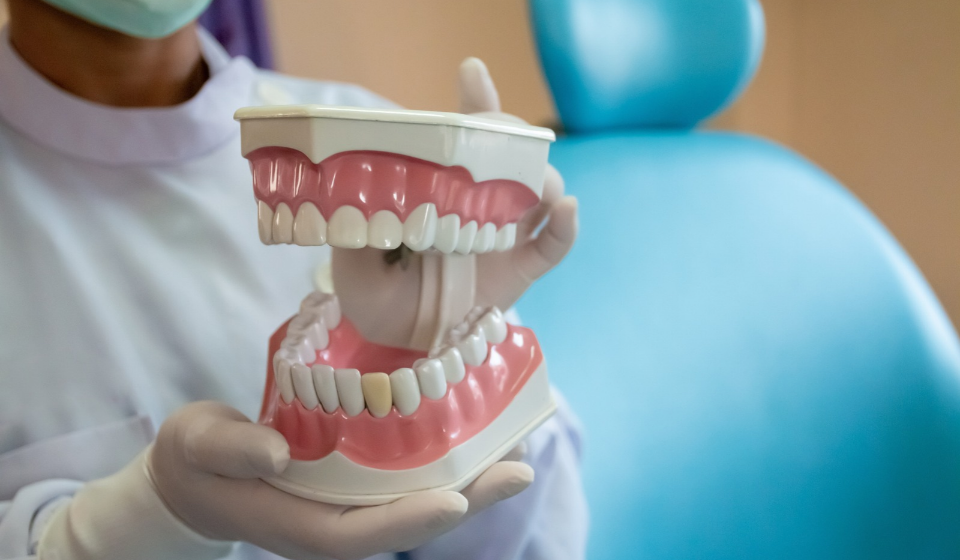
Losing teeth can affect much more than the appearance of your smile. Missing teeth may make chewing difficult, change the way you speak, and make you feel less confident when smiling or talking with others. Fortunately, dentures can replace missing teeth and help restore everyday oral function. For people considering dentures in Westchase, understanding how dentures work, the available options, and what to expect from the process can make the decision easier. 

What are dentures?

Dentures are removable dental appliances designed to replace missing teeth and surrounding oral structures. They are custom-made to fit the shape of your mouth and can be designed to look like natural teeth.

A properly fitted denture can help you chew food more comfortably, support clearer speech, and restore the appearance of your smile. 

How can dentures replace missing teeth?

Dentures replace visible gaps by providing artificial teeth that are designed to resemble natural teeth. They can also provide support to the cheeks and lips, which may help maintain a more balanced facial appearance after tooth loss.

When several or all teeth are missing, dentures can help restore some of the functions that may have become difficult. With time and proper adjustment, many people can become comfortable eating, speaking, and smiling while wearing their dentures. 

Signs you may benefit from dentures

Multiple missing teeth

If several teeth are missing, chewing and speaking may become more challenging. Dentures can fill these spaces and provide a practical way to replace multiple teeth with one removable appliance.

Difficulty chewing

Missing teeth can make it harder to bite and chew certain foods. Dentures can restore a functional chewing surface, helping make meals easier and more comfortable.

Changes in speech

Tooth loss can affect the way certain sounds are produced, which may cause changes in speech. Replacing missing teeth with dentures can help support clearer pronunciation as you adjust to wearing them.

Reduced confidence in your smile

Gaps caused by missing teeth can make some people feel uncomfortable when smiling, speaking, or socializing. Dentures can restore the visible appearance of missing teeth and help you feel more confident about your smile.

Remaining teeth that cannot be saved

In some situations, remaining teeth may be severely damaged or unhealthy and may not be suitable for restoration. If teeth need to be removed, complete or partial dentures may provide a way to replace them after an appropriate dental evaluation.

What types of dentures are available?

Dentures can be designed according to how many teeth need to be replaced and the condition of the remaining teeth.

  • Partial dentures: Partial dentures replace several missing teeth while keeping the remaining natural teeth in place. They are designed to fit around existing teeth and fill the spaces created by tooth loss. 
  • Complete dentures: Complete dentures replace all teeth in the upper or lower arch, or both. They provide a full set of artificial teeth for people who have lost all of their natural teeth in a particular arch. 

What is the process of getting dentures?

Getting dentures involves several steps to ensure the appliance fits comfortably and meets your dental needs. The process may include:

  • Dental evaluation: Your dentist examines your teeth, gums, and oral tissues to determine whether dentures are suitable for you.
  • Impressions and measurements: Detailed measurements and impressions of your mouth help create dentures that fit your unique oral structure.
  • Denture design: The shape, size, and appearance of the artificial teeth are planned to create a natural-looking result.
  • Fitting and adjustments: Once the dentures are ready, they are fitted in your mouth. Adjustments may be made if certain areas feel uncomfortable or the fit needs refinement.
  • Follow-up care: Follow-up appointments allow your dentist to check the fit and address any concerns as you become accustomed to wearing the dentures.

Following your dentist’s care instructions and attending recommended appointments can help maintain comfort and support the long-term function of your dentures. 

Can dentures feel natural?

It can take some time to become comfortable wearing dentures. During the adjustment period, the mouth may need to get used to the shape and feel of the appliance, and activities such as speaking and eating may initially feel different.

A proper fit plays an important role in comfort. If dentures feel loose, cause irritation, or make everyday activities difficult, adjustments may help improve their fit. Practicing speaking and gradually introducing different foods can also help you become more comfortable with your dentures. 

Conclusion

Dentures can be an effective option for replacing missing teeth and restoring important aspects of your everyday oral function. They can help improve chewing, support speech, fill visible gaps, and give you a more complete smile. The right type of denture depends on the number of missing teeth, the condition of your remaining teeth, and your overall oral health.

Unident Family Dentistry in Houston provides dental care focused on helping patients find appropriate solutions for their oral health needs. If you are considering dentures, a dental evaluation can help determine whether partial or complete dentures are the right choice and what you can expect from the treatment process. 

Frequently Asked Questions

Can dentures replace multiple missing teeth?

Yes, dentures can replace multiple missing teeth depending on the condition of your remaining teeth. Partial dentures are commonly used when some natural teeth remain.

Can dentures improve chewing?

Dentures can provide artificial teeth that help restore a chewing surface after tooth loss. It may take some time to become comfortable eating with them.

Do dentures look like natural teeth?

Modern dentures can be designed to closely resemble natural teeth. Their shape, size, and appearance can be selected to create a natural-looking smile.

How long does it take to get used to dentures?

The adjustment period varies from person to person. Speaking, eating, and wearing dentures may feel different at first, but comfort generally improves as you become accustomed to them.

How should dentures be cared for?

Dentures should be cleaned regularly according to your dentist’s instructions. They should also be handled carefully and stored appropriately when they are not being worn.
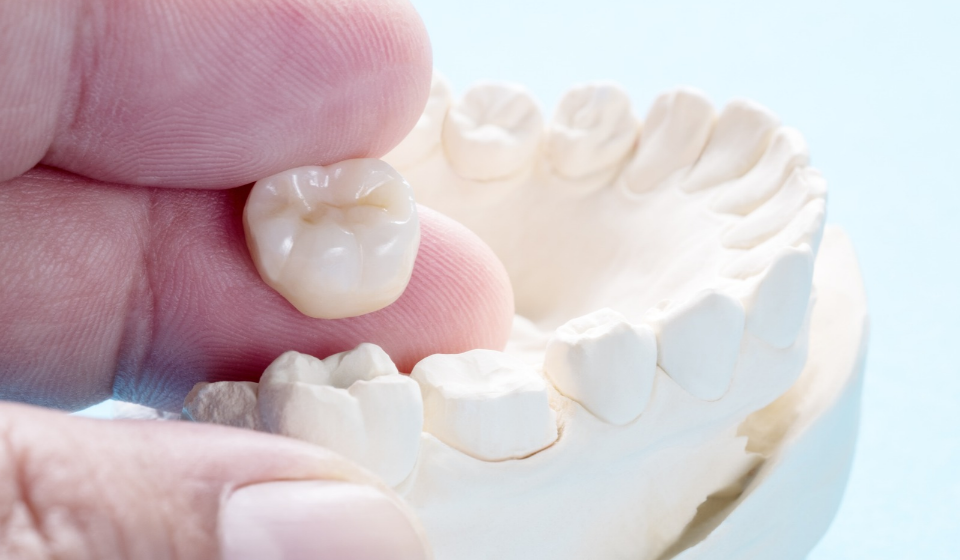
A dental crown in Westchase can be an effective way to restore a tooth that has been weakened by decay, cracks, large fillings, or everyday wear. Designed to fit over the damaged tooth, a crown helps restore its shape, strength, and function while protecting it from further damage. 

Understanding the common signs and situations that may call for a dental crown can help you discuss the right restorative treatment with your dentist before the problem becomes more serious. 

What is a dental crown?

A dental crown is a custom-made restoration that fits over a damaged or weakened tooth. It covers the visible portion of the tooth above the gumline, helping restore its shape, strength, function, and appearance.

Crowns can be made from several materials, including porcelain, ceramic, metal, and porcelain fused to metal. The best choice depends on factors such as the tooth’s location, condition, appearance, and the amount of pressure it handles during chewing. 

An examination is important because not every damaged tooth requires a crown, and treatment should be based on the extent of the damage.

Signs you may need a dental crown

A cracked or fractured tooth

A crack can weaken the tooth and may make chewing painful or cause sensitivity. Depending on the location and severity of the fracture, a crown may cover and reinforce the remaining tooth structure. However, severely fractured teeth may require a different treatment, so prompt evaluation is important.

Extensive tooth decay

When decay affects a large portion of a tooth, there may not be enough healthy structure left for a regular filling to provide adequate support. A crown can cover the remaining tooth and restore its function after the decay has been treated. Treating extensive decay early can also help prevent the problem from progressing further.

A large or damaged filling

Large fillings can leave a tooth with less natural structure to support it. Over time, the remaining tooth may become more vulnerable to cracking, especially when it is exposed to repeated chewing pressure. In these situations, a crown may provide additional reinforcement.

Tooth wear

Teeth can become significantly worn from grinding, clenching, acidic exposure, or other factors. Severe wear can change the shape of the tooth and affect normal chewing. A crown may sometimes be used to restore a severely worn tooth, depending on its overall condition.

A tooth that has undergone root canal treatment

A tooth that has received root canal treatment may need additional protection because a significant amount of its structure may have been affected. A crown can help protect the tooth from everyday chewing forces. The dentist will assess the tooth before determining whether a crown is appropriate.

Benefits of getting a dental crown

A dental crown can serve both a protective and restorative purpose. The benefits can include:

  • Protects a weakened tooth: A crown covers vulnerable tooth structure and helps reduce exposure to everyday chewing forces.
  • Restores chewing function: Rebuilding the shape and structure of a damaged tooth can make eating more comfortable and functional.
  • Improves appearance: Tooth-colored crowns can be designed to blend with surrounding teeth, helping create a natural-looking smile.
  • Supports remaining tooth structure: A crown can provide additional coverage when a tooth has lost substantial structure because of decay, damage, or previous treatment.
  • Provides a durable restoration: With proper oral hygiene and regular dental care, crowns can provide long-lasting support for a restored tooth.

Although crowns offer several benefits, they are not automatically the right choice for every damaged tooth. A dentist needs to evaluate the tooth and surrounding tissues before recommending treatment. 

Conclusion

A dental crown may be needed when a tooth is cracked, severely decayed, extensively restored, significantly worn, or weakened after root canal treatment. It can restore the tooth’s shape and function while providing additional protection for the remaining structure.

Unident Family Dentistry in Houston provides dental care focused on maintaining healthy, functional smiles. If a damaged or weakened tooth needs attention, our dental team can evaluate its condition and discuss suitable restorative options, including dental crowns, based on individual needs.

Frequently asked questions

How do you know if a tooth needs a dental crown?

A dentist may recommend a crown when a tooth has extensive decay, a large filling, a crack, severe wear, or significant structural damage.

Is getting a dental crown painful?

The tooth is typically numbed during the crown procedure to help keep the process comfortable. Some sensitivity or mild soreness may occur afterward, but it generally improves as the tooth and surrounding tissues adjust.

How long does a dental crown last?

A dental crown can last for many years with proper care and regular dental visits. Its lifespan depends on factors such as the crown material, oral hygiene, chewing habits, and the condition of the supporting tooth.

Can a crown fix a cracked tooth?

A crown can sometimes protect and restore a cracked tooth when enough healthy structure remains. However, the appropriate treatment depends on the location and severity of the crack, so a dental evaluation is important.

Can a dental crown look like a natural tooth?

Yes, many modern crowns are designed to closely match the appearance of natural teeth. The dentist can consider the surrounding teeth when selecting the crown’s color, shape, and overall appearance.

Missing teeth can affect more than the appearance of your smile. They may make chewing difficult, affect speech, or cause you to feel less confident when interacting with others. Fortunately, modern dentistry offers several ways to restore missing teeth. For people considering dental implants in Westchase, they can provide a stable and natural-looking solution that is designed to function much like a natural tooth. 

What are dental implants?

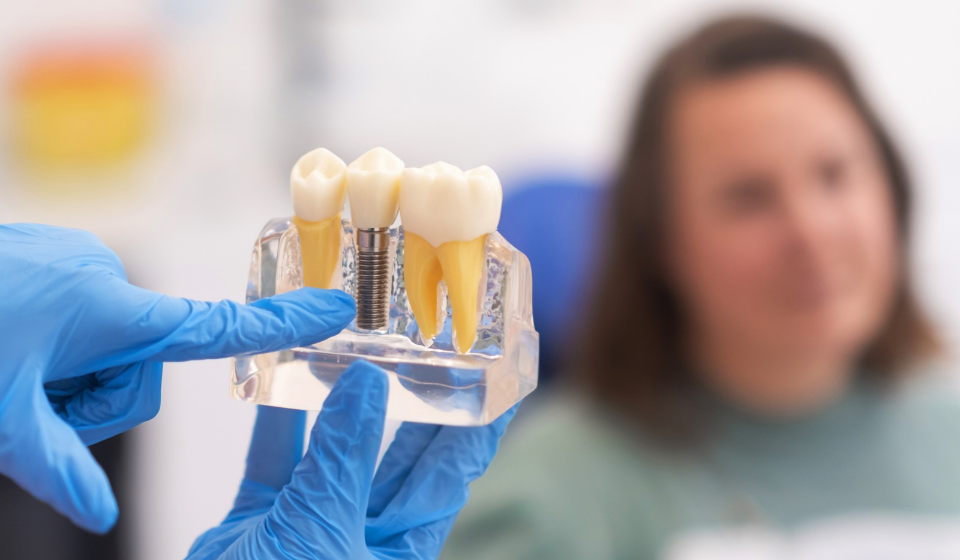
Dental implants are artificial tooth roots used to replace missing teeth. A small titanium post is placed into the jawbone, where it gradually bonds with the surrounding bone. Once the implant has healed, it can support a dental crown, bridge, or denture based on the patient’s needs.

Dental implants can be used to replace a single missing tooth, several missing teeth, or an entire arch. The recommended approach depends on the number of teeth missing and the condition of the patient’s oral health. 

Why consider dental implants for missing teeth

A missing tooth can gradually affect other parts of your mouth. Nearby teeth may begin shifting toward the empty space, which can change your bite and make proper cleaning more difficult. Tooth loss can also contribute to the gradual loss of bone in the area because the jaw no longer receives stimulation from the tooth root.

Dental implants address tooth loss by replacing the root as well as the visible portion of the tooth. The implant provides support within the jawbone, while the attached restoration restores the visible part of the smile. 

Benefits of dental implants

Dental implants offer several advantages when compared with other tooth replacement options. Key benefits include:

  • Natural-looking appearance: The replacement tooth can be customized to match the color, shape, and size of the surrounding teeth, helping the restored smile look natural.
  • Stable tooth replacement: Because the implant is anchored into the jawbone, the restoration can remain securely in place during normal activities.
  • Support for jawbone health: The implant replaces the function of a natural tooth root and can help maintain stimulation in the area where the tooth was lost.
  • Comfortable daily function: A properly placed implant can make chewing and speaking feel more natural compared with removable tooth replacement options.
  • Protection of neighboring teeth: Depending on the treatment plan, an implant can replace a missing tooth without requiring adjacent healthy teeth to be modified for support.

With proper oral hygiene and routine dental care, dental implants can provide long-term support. Regular examinations also allow your dentist to monitor the implant and the surrounding gums and teeth. 

How does the dental implant procedure work

Getting a dental implant involves several stages, and the exact timeline can vary from one patient to another. The treatment may include the following steps: 

  • Initial evaluation: Your dentist examines your mouth and may use dental imaging to assess your jawbone and determine the appropriate implant placement.
  • Implant placement: The implant post is carefully positioned into the jawbone. Local anesthesia is used during the procedure to help keep you comfortable.
  • Healing and integration: The jawbone gradually bonds with the implant during the healing period. This process, called osseointegration, helps create a stable foundation for the final restoration.
  • Abutment placement: Once healing is complete, an abutment may be attached to connect the implant post with the replacement tooth.
  • Final restoration: A custom crown, bridge, or denture is secured to complete the treatment and restore the appearance and function of the missing teeth.

Not every patient follows the exact same timeline. Bone health, the number of implants required, healing progress, and additional procedures can all influence the overall treatment period. 

Are dental implants right for you?

Dental implants may be suitable for many adults who have lost one or more teeth. However, candidacy depends on factors such as gum health, jawbone support, oral hygiene, and overall health.

The best way to determine whether dental implants are appropriate is to schedule a dental evaluation. Your dentist can examine your oral health, discuss your goals, explain the available options, and create a treatment plan based on your individual needs. 

Conclusion

Dental implants can provide a reliable way to replace missing teeth while restoring the function and appearance of your smile. Their secure placement, natural appearance, and ability to replace the tooth root make them an effective option for many patients.

At Unident Family Dentistry in Houston, patients can receive personalized dental care focused on comfortable and effective tooth replacement. The practice provides dental implant and restorative services while using modern dental techniques to help patients achieve a healthy, confident smile. 

Frequently asked questions

How long do dental implants last?

Dental implants are designed to provide long-term results and can last for many years with proper care. Good oral hygiene, regular dental visits, and healthy gums can help support their longevity.

Do dental implants look like natural teeth?

Yes, dental implants can be designed to closely match the surrounding teeth. The final restoration is customized according to factors such as tooth color, shape, and size.

Are dental implants painful?

The implant placement procedure is performed with anesthesia to help keep the patient comfortable. Some soreness or swelling may occur during the recovery period.

Can dental implants replace multiple missing teeth?

Yes, dental implants can be used to replace multiple missing teeth. Depending on the situation, implants may support individual crowns, a dental bridge, or an implant-supported denture.

How long does the dental implant process take?

The treatment timeline varies from patient to patient. Healing time, bone condition, the number of implants, and the type of final restoration can all affect how long the complete process takes.

New Patient Forms