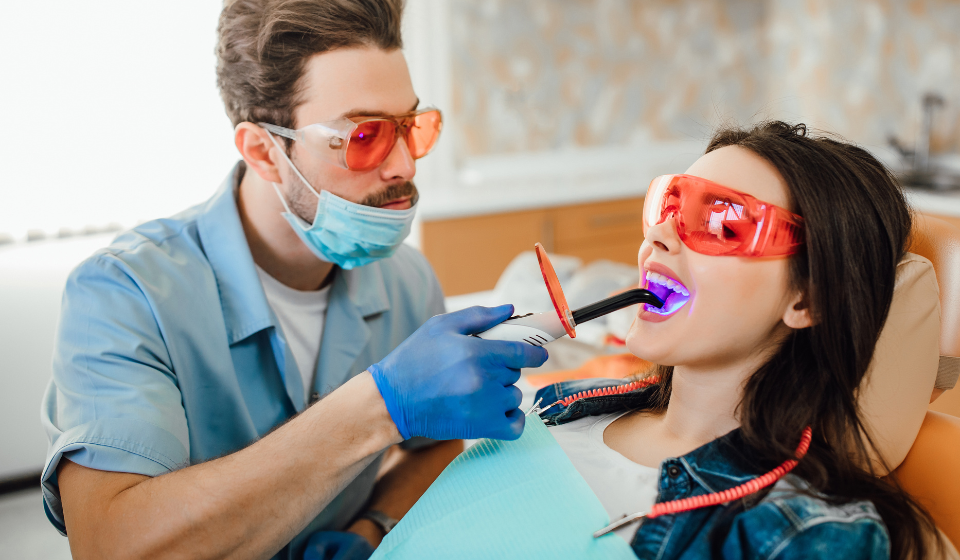

Dental health plays a major role in overall well-being, and restorative treatments are designed to preserve natural teeth for as long as possible. One of the most common restorative procedures after endodontic therapy is crown placement. When a tooth has undergone internal treatment, it often becomes structurally weaker and more vulnerable to damage. This is where a protective restoration becomes essential.

A dental crown is not just a cosmetic enhancement. It is a functional shield that restores strength, stability, and appearance to a compromised tooth. 

Understanding dental crowns after root canal treatment

A dental crown is a custom-made cap that completely covers a treated tooth. After a root canal procedure, the inner pulp of the tooth is removed due to infection or damage, and the hollow space is sealed. While this eliminates pain and infection, it also leaves the tooth more fragile.

A crown is placed over the remaining structure to restore full function. It acts like a protective shell, holding the tooth together and allowing it to withstand normal biting and chewing forces without breaking.

Why root canal treatment weakens teeth

A root canal procedure focuses on saving a tooth by removing infected or damaged pulp tissue. Although this treatment is highly effective, it changes the internal structure of the tooth significantly.

The tooth loses its natural blood supply, which gradually reduces moisture within the dentin. As a result, the tooth may become more brittle over time. Because of these changes, protection through a dental crown is strongly recommended in most cases.

How dental crowns protect a treated tooth

A dental crown provides multiple layers of protection to a tooth that has undergone root canal treatment. It works by fully encasing the visible portion of the tooth above the gum line, distributing pressure evenly during chewing.

The crown prevents cracks from forming in weakened enamel and reduces the risk of the tooth splitting under pressure. It also seals the tooth from external bacteria, which helps prevent reinfection.

By reinforcing the structure, the crown allows the tooth to function almost like a natural, healthy tooth. Patients can chew, bite, and speak comfortably without worrying about damage.

Key benefits of dental crowns after root canal treatment

  • Provides long-term protection to a weakened tooth after root canal therapy.
  • Reduces the risk of fractures or breakage in the treated tooth.
  • Restores full chewing efficiency, allowing comfortable eating of a normal diet.
  • Enhances the appearance of the tooth by restoring its natural shape, size, and color.
  • Offers high durability, making it a long-lasting dental solution with proper care.
  • Helps maintain proper tooth alignment by preventing the shifting of surrounding teeth.
  • Improves overall bite stability and reduces discomfort while chewing.
  • Strengthens the treated tooth, extending its functional lifespan significantly.

The dental crown placement process

Step 1: Initial consultation and examination

The process begins with a detailed dental examination. The dentist evaluates the treated tooth, surrounding gums, and overall oral health to confirm if a crown is needed.

Step 2: Tooth preparation

The affected tooth is reshaped to create space for the crown. This step ensures the crown fits securely and aligns properly with surrounding teeth.

Step 3: Dental impressions

Precise impressions of the prepared tooth and surrounding teeth are taken. These impressions are used to create a custom-made crown that fits accurately.

Step 4: Temporary crown placement

A temporary crown is placed to protect the prepared tooth while the permanent crown is being fabricated. This helps maintain function and appearance.

Step 5: Crown fabrication

The impressions are sent to a dental laboratory where the permanent crown is designed. It is crafted to match the shape, color, and size of natural teeth.

Step 6: Final crown fitting

Once ready, the permanent crown is checked for fit, comfort, and bite alignment. Adjustments are made if necessary before final placement.

Conclusion

Dental crowns are an essential part of protecting and restoring teeth after root canal treatment. They provide strength, stability, and long-term durability while also improving appearance and function. Without a crown, a treated tooth is at a higher risk of fracture and further complications.

For individuals seeking reliable restorative care, Unident Family Dentistry in Houston offers advanced solutions designed to restore both comfort and confidence. With a focus on modern techniques and patient-centered care, treatments are tailored to ensure long-lasting oral health and natural-looking results.

Frequently asked questions

Why is a dental crown needed after a root canal?

A dental crown is needed because the tooth becomes weaker after internal treatment. The crown protects it from breaking and restores full chewing strength. 

Can a root canal-treated tooth survive without a crown?

In some cases, it may survive temporarily, but it remains at high risk of fracture. A crown significantly increases the long-term survival of the tooth. 

Is getting a dental crown painful?

The procedure is generally comfortable because the tooth is already treated, and numbness is used during preparation. Most patients experience minimal discomfort. 

How do dental crowns look compared to natural teeth?

Modern crowns are designed to closely match natural teeth in color and shape. They blend seamlessly with surrounding teeth for a natural appearance. 

How should a dental crown be cared for?

Good oral hygiene is essential, including regular brushing, flossing, and dental checkups. Avoiding excessive force on the crown also helps maintain its durability. 
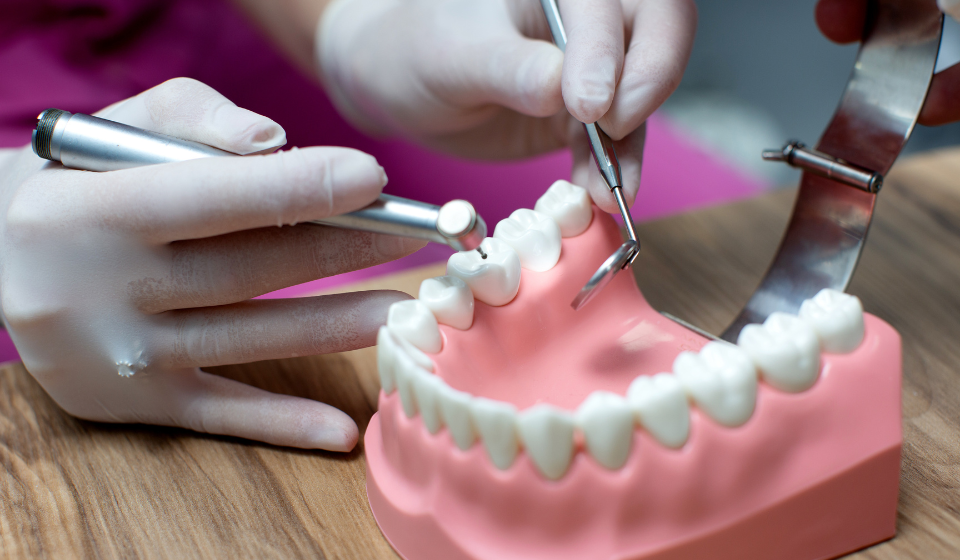
Tooth loss can affect more than appearance. It can also impact chewing ability, speech clarity, and long-term oral health. Among modern restorative dentistry options, dental implants in Westchase have emerged as one of the most reliable and durable solutions. Dental implants stand out because they are designed to function like natural teeth while also preserving the jawbone and overall oral structure.

Unlike temporary replacements, implants integrate with the bone and create a strong foundation that can last for many years when properly maintained. This makes them a preferred choice for individuals seeking both functionality and aesthetics in tooth replacement.

Understanding dental implants

Dental implants are artificial tooth roots typically made from biocompatible titanium. These implants are surgically placed into the jawbone where they serve as a stable anchor for a crown, bridge, or denture. Over time, the implant fuses with the bone through a natural process called osseointegration, which ensures durability and strength.

The structure of a dental implant consists of three main components:

  • The implant post acts as the root.
  • The abutment connects the post to the restoration.
  • The crown is the visible part that resembles a natural tooth. 

This combination creates a complete restoration that closely mimics real teeth in both appearance and function.

How dental implants support long-term oral health

One of the most important benefits of dental implants is their ability to support long-term oral health. When a tooth is lost, the surrounding bone begins to deteriorate due to a lack of stimulation. Dental implants help prevent this by mimicking the function of natural tooth roots and stimulating the jawbone during chewing.

This stimulation helps maintain bone density and prevents facial sagging, which is often associated with long-term tooth loss. As a result, implants do not just replace missing teeth. They actively preserve the structure of the face and jaw.

Why dental implants are considered long-lasting

Dental implants are widely recognized for their durability and long lifespan. With proper oral hygiene and regular dental checkups, implants can last for decades and in many cases even a lifetime.

Unlike traditional dentures or bridges that may need replacement every few years, implants are designed as a permanent solution. This long-term reliability makes them a cost-effective option over time despite the initial investment.

Key reasons dental implants provide lasting tooth replacement

Natural look and functional comfort

Another reason dental implants are considered a superior solution is their natural appearance and comfort. The crown placed on top of the implant is customized to match the color, shape, and size of surrounding teeth, making it nearly indistinguishable from natural dentition.

Speech is also significantly improved because implants remain firmly in place, eliminating the slurring or clicking sounds sometimes caused by ill-fitting dentures.

Preservation of adjacent teeth

Traditional dental bridges require support from neighboring teeth, which often involves grinding down healthy tooth structure. Dental implants eliminate this need by standing independently. This helps preserve the integrity of surrounding natural teeth.

By avoiding unnecessary pressure on adjacent teeth, implants reduce the risk of long-term dental complications. This makes them a conservative and protective treatment option that supports overall oral health rather than compromising it.

Psychological and lifestyle benefits

Beyond physical health, dental implants also offer psychological benefits. Missing teeth can often affect self-confidence and social interactions. Implants restore a complete smile, helping individuals feel more comfortable in both personal and professional settings.

This positive emotional impact is a key reason why implants are considered a life-changing dental solution. 

Suitability for different patients

Dental implants are suitable for a wide range of patients, although individual evaluation is necessary. Factors such as jawbone density, gum health, and overall medical condition are considered before treatment.

Advancements in dental technology have also made implants accessible to patients who previously may not have been ideal candidates. 

Conclusion

Dental implants have become one of the most trusted solutions for long-term tooth replacement due to their durability, functionality, and natural appearance. They not only restore missing teeth but also support jawbone health, preserve facial structure, and improve overall quality of life. Their ability to function like natural teeth while offering decades of reliability makes them a preferred choice for permanent dental restoration.

For those seeking expert care and advanced restorative solutions, Unident Family Dentistry in Houston provides comprehensive dental implant services designed to restore both function and confidence. With a focus on patient comfort and long-term results, professional implant treatment can help create a healthier and more complete smile.

Frequently asked questions 

How long do dental implants typically last?

Dental implants can last many years and often a lifetime when maintained with proper oral hygiene. Regular dental visits also contribute to their long-term success and stability.

Is the dental implant procedure painful?

The procedure is usually performed under anesthesia, which minimizes discomfort. Mild soreness after treatment is common but typically subsides within a few days.

Can anyone get dental implants?

Most adults with good oral and general health are candidates for dental implants. A dental evaluation is necessary to determine bone density and gum condition before treatment.

How should dental implants be cared for?

Dental implants should be cared for like natural teeth. Regular brushing, flossing, and dental checkups help maintain their strength and longevity.

What factors influence the success of dental implants?

Success depends on proper oral hygiene, sufficient bone support, and overall health conditions. Regular dental checkups and professional care also play an important role in ensuring long-term implant stability.

A bright smile is often associated with confidence, health, and strong personal presentation. Many people choose professional teeth whitening treatments in Westchase to improve the appearance of their teeth, but the real challenge begins after the treatment is completed. Maintaining those results requires consistent care, smart daily habits, and awareness of what can cause discoloration over time. 

Understanding how teeth whitening results fade

Before learning how to maintain whitening effects, it is important to understand why results fade in the first place. Teeth whitening works by removing surface stains and deep discoloration, but enamel remains porous after treatment. This means it can easily absorb pigments from daily consumption.

Common causes of staining include coffee, tea, red wine, dark sodas, and richly colored foods. Smoking and tobacco use can also significantly reduce the longevity of whitening results. Additionally, poor oral hygiene allows plaque buildup, which can make teeth appear dull or yellow over time.

By recognizing these causes, it becomes easier to take proactive steps to protect a bright smile.

Simple ways to extend teeth whitening results

Maintain a consistent oral hygiene routine

One of the most important factors in preserving whitening results is maintaining excellent oral hygiene every day. Brushing at least twice daily helps remove surface stains before they settle into the enamel. 

Flossing is equally important because it removes food particles and plaque from areas that brushing alone cannot reach. When plaque is left between teeth, it can harden and contribute to discoloration over time. A consistent routine ensures that teeth remain clean and less likely to accumulate stains. 

Be mindful of food and drink choices

Diet plays a major role in how long whitening results last. Certain foods and beverages are known to stain teeth more quickly than others. Dark colored drinks like coffee, tea, cola, and red wine are among the most common culprits.

It is not necessary to completely avoid these items, but moderation is key. Rinsing the mouth with water after consuming staining foods or drinks can also help minimize their impact. Being conscious of dietary choices also makes a significant difference in maintaining a whiter smile. 

Avoid tobacco and smoking products

Tobacco is one of the most damaging substances for maintaining white teeth. It contains strong staining agents that quickly discolor enamel and create stubborn yellow or brown marks. 

Avoiding tobacco not only helps preserve whitening results but also improves overall oral and general health. Individuals who stop smoking often notice a significant improvement in the appearance of their teeth over time, along with fresher breath and healthier gums.

Schedule regular dental cleanings

Professional dental cleanings are essential for maintaining whitening results. Even with excellent home care, plaque and tartar can build up in hard-to-reach areas. A professional cleaning removes these deposits and restores a polished, bright appearance to the teeth.

Routine dental visits also allow early detection of potential oral health issues that could affect the appearance of teeth. Maintaining a regular cleaning schedule ensures that the smile remains bright and healthy throughout the year.

Stay hydrated throughout the day

Drinking plenty of water is a simple yet effective way to maintain white teeth. Water helps wash away food particles and reduces the buildup of staining substances on the teeth. It also stimulates saliva production, which naturally protects enamel and neutralizes acids in the mouth.

Sipping water after meals or beverages that may cause staining is a practical habit that supports long-lasting whitening results. Staying hydrated also contributes to better overall oral health and freshness.

Protect enamel from sensitivity and damage

After whitening, enamel may temporarily become more sensitive. Taking care to avoid overly acidic foods and extremely hot or cold beverages can help protect teeth during this period.

Using desensitizing toothpaste can also reduce discomfort and strengthen enamel over time. Maintaining enamel health is important because strong enamel helps preserve whitening results and prevents future staining.

Conclusion 

Maintaining a bright and confident smile after whitening treatment depends on a combination of good oral hygiene, smart lifestyle choices, and regular professional care. By avoiding staining foods in excess, staying consistent with dental routines, and scheduling cleanings, it becomes possible to enjoy long-lasting results and improved oral health.

For individuals seeking reliable whitening care and professional guidance, Unident Family Dentistry in Houston offers comprehensive dental services designed to enhance and maintain smile aesthetics. With a focus on patient comfort and modern dental solutions, long-term oral health and brightness can be effectively supported.

Frequently asked questions 

How long do teeth whitening results usually last?

Teeth whitening results can last several months to a few years, depending on lifestyle habits and oral care.

Can coffee be consumed after whitening treatment?

Coffee can still be consumed, but it may contribute to staining over time. Using a straw and rinsing the mouth afterward can help reduce its impact on enamel.

Is whitening toothpaste enough to maintain results?

Whitening toothpaste can help maintain brightness, but it works best when combined with proper oral hygiene and regular dental cleanings.

Are touch-up treatments necessary?

Touch-up treatments are not always required, but can be helpful when natural discoloration begins to return. 

Does smoking affect whitening results?

Smoking is one of the leading causes of tooth discoloration. It can quickly reduce whitening effects and create stubborn stains that are difficult to remove.

New Patient Forms