
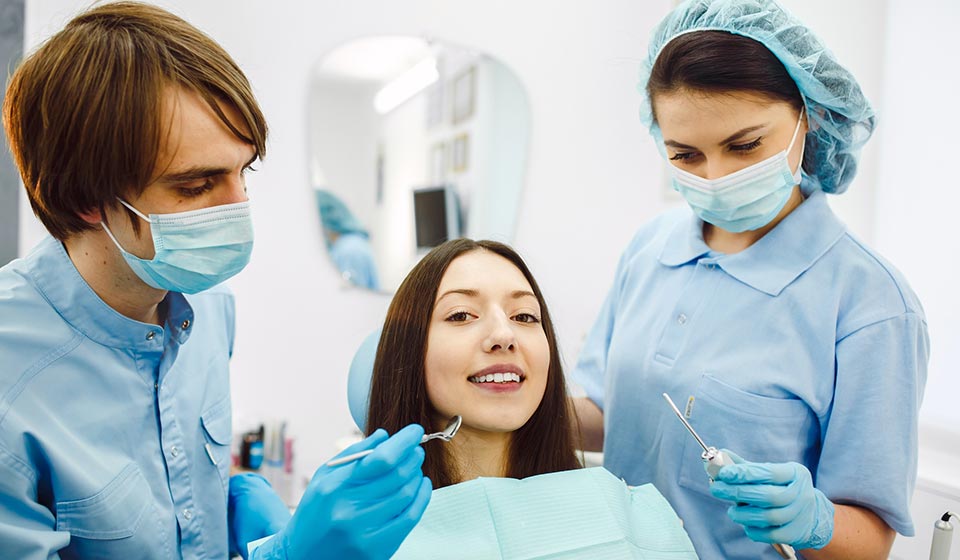
Most people know dental visits are important, but many are unsure how often they should actually go. Preventive dental care is not just about clean teeth—it is about stopping problems before they become painful and expensive. Regular checkups are the foundation of long-term oral health and early detection. Preventive dentistry in Houston focuses on structured visit schedules that match each patient’s risk level and lifestyle. Instead of guessing, modern preventive care uses clinical indicators to guide frequency. The right schedule keeps your teeth stronger, your gums healthier, and your treatment costs lower. Understanding visit timing helps you stay ahead instead of catching up.

What Preventive Dentistry Really Includes

Preventive dentistry is a systematic approach to protecting teeth and gums before disease develops. It combines professional monitoring with home-care habits and targeted treatments. From an analytical perspective, prevention works by interrupting disease cycles early—before structural damage occurs.

Preventive dentistry typically includes:

  • Comprehensive dental exams
  • Professional cleanings
  • Digital X-rays when needed
  • Gum health measurements
  • Oral cancer screenings
  • Fluoride or sealant treatments
  • Bite and wear analysis

Preventive dentistry programs in Houston often personalize these components based on age, medical history, and oral risk factors.

The Standard Preventive Dentistry Visit Interval

Preventive Dentistry Every Six Months: The Baseline Rule

The traditional recommendation is a dental visit every six months. This interval is not random—it is based on how plaque matures, how tartar forms, and how gum inflammation progresses. Clinical studies show that harmful bacterial colonies can establish destructive patterns within months if left undisturbed.

For average-risk patients, twice-yearly visits allow dentists to:

  • Remove hardened tartar
  • Detect early cavities
  • Identify gum inflammation
  • Monitor bite wear
  • Catch small issues before escalation

Six months is the baseline, but not the universal rule.

When Preventive Dentistry Visits Should Be More Frequent

High-Risk Patients Need Tighter Preventive Dentistry Schedules

Some patients benefit from more frequent preventive visits—often every 3–4 months. This is based on measurable risk indicators, not sales pressure. Higher visit frequency disrupts bacterial regrowth cycles more often.

You may need more frequent preventive dentistry visits if you have:

  • Gum disease history
  • Frequent cavities
  • Diabetes
  • Dry mouth conditions
  • Heavy plaque buildup
  • Smoking habits
  • Orthodontic appliances
  • Dental implants
  • Reduced immune response

Shorter intervals significantly reduce complication rates in these groups.

What Happens During a Preventive Dentistry Visit

Preventive Dentistry Appointment Breakdown

Understanding what occurs during preventive visits helps patients see the value beyond “just a cleaning.” Each component has a diagnostic purpose.

A preventive dentistry visit usually includes:

  • Medical history update
  • Gum pocket measurements
  • Plaque and tartar removal
  • Tooth surface polishing
  • Cavity detection
  • Restoration checks
  • Soft tissue screening
  • Bite evaluation

Each step generates clinical data used to adjust your care plan.

Preventive Dentistry for Children and Teens

Growth-Phase Preventive Dentistry

Children and teens require structured preventive dentistry because their teeth and jaws are still developing. Monitoring eruption patterns and enamel strength is critical.

Youth preventive care often includes:

  • Sealant placement
  • Fluoride strengthening
  • Eruption tracking
  • Orthodontic screening
  • Hygiene coaching

Early preventive patterns strongly predict adult oral health outcomes.

Preventive Dentistry for Adults

Adult Preventive Dentistry Focus Areas

Adult preventive dentistry shifts toward wear management, gum stability, and restoration monitoring. Lifestyle factors become more influential.

Adult preventive priorities include:

  • Gum recession tracking
  • Filling and crown evaluation
  • Bite stress monitoring
  • Grinding damage detection
  • Oral cancer screening

These checks are essential even when teeth feel “fine.”

Preventive Dentistry for Seniors

Age-Related Preventive Dentistry Needs

Senior patients often experience dry mouth, medication effects, and root exposure. Preventive dentistry adapts to these biological changes.

Senior-focused preventive measures include:

  • Root cavity monitoring
  • Denture and implant checks
  • Saliva function evaluation
  • Soft tissue screening

Visit frequency may increase with medical complexity.

The Financial Advantage of Preventive Dentistry

Prevention Costs Less Than Repair

From an analytical standpoint, preventive dentistry has one of the highest returns on healthcare investment. Early detection dramatically reduces treatment complexity and cost.

Prevention reduces likelihood of:

  • Root canals
  • Tooth extractions
  • Gum surgery
  • Implant replacement
  • Emergency visits

Routine preventive visits cost far less than restorative procedures.

Signs You Should Schedule Preventive Dentistry Sooner

Don’t Wait for Pain Signals

Pain is a late-stage symptom in dentistry. Preventive care should be scheduled before discomfort appears.

Book a preventive dentistry visit sooner if you notice:

  • Bleeding gums
  • Tooth sensitivity
  • Persistent bad breath
  • Food trapping
  • Jaw soreness
  • Visible stains near gums

Early action prevents escalation.

Final Thoughts

Preventive dental visit frequency should be personalized, data-driven, and proactive. While the six-month model works for many patients, risk-based scheduling produces better long-term outcomes. Patients who participate in structured preventive care experience fewer emergencies, lower lifetime dental costs, and more stable oral health. Preventive dentistry in Houston is most effective when it is consistent, customized, and clinically monitored. At Unident Family Dentistry in Houston, our experienced team delivers preventive dentistry with analytical precision and patient-focused care, helping you stay ahead of dental problems instead of reacting to them.
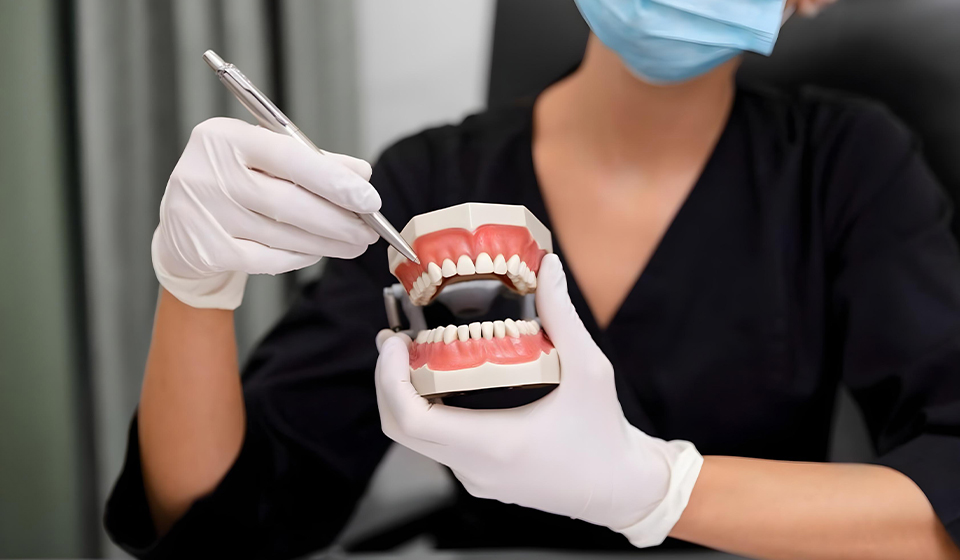
Getting dentures for the first time is a big step toward restoring your smile, comfort, and daily function. Many patients feel a mix of curiosity and uncertainty before starting the process. Modern dentures are more advanced, more natural-looking, and more comfortable than ever before. If you are considering dentures in Houston, understanding the full journey helps remove fear and replace it with confidence. The denture process today is structured, personalized, and clinically precise. With the right dental team, the transition becomes smoother and more predictable. Knowing what happens at each stage allows you to prepare both physically and mentally.

Understanding Dentures and Their Purpose

Dentures are custom-made dental prosthetics designed to replace missing teeth and surrounding tissues. They restore essential functions like chewing and speaking while also supporting facial structure. From an analytical standpoint, dentures are not just cosmetic devices—they are functional restorations that rebalance bite forces and oral mechanics.

Dentures may be recommended when:

  • Multiple teeth are missing
  • Full tooth loss has occurred.
  • Remaining teeth cannot be predictably restored
  • Severe wear has reduced chewing efficiency.
  • Structural support for lips and cheeks is reduced

Patients exploring dentures in Houston often discover that modern materials and digital techniques have significantly improved outcomes compared to older denture models.

Types of Dentures You Choose From

Full Dentures

Full dentures replace all teeth in the upper jaw, lower jaw, or both. They sit on the gum tissue and are carefully shaped to distribute pressure evenly.

Partial Dentures

Partial dentures are used when some healthy natural teeth remain. They anchor around existing teeth and fill the gaps.

Immediate Dentures

Immediate dentures are placed right after tooth removal so patients are never without teeth during healing.

Implant-Supported Dentures

These dentures attach to dental implants for greater stability and chewing power.

Each denture type is selected based on clinical measurements, bone support, and patient goals, not guesswork.

The First Dentures Consultation and Evaluation

Dentures Assessment and Oral Measurements

Your first appointment focuses on examination and data collection. Dentists evaluate gum health, jawbone structure, bite relationships, and facial symmetry. This analytical foundation is critical because dentures must function in harmony with muscles, joints, and soft tissues.

During the evaluation phase, your dentist will review:

  • Jaw alignment
  • Gum condition
  • Bone ridge shape
  • Bite force patterns
  • Facial proportions
  • Speech considerations

Diagnostic impressions or digital scans are taken to begin the customization process.

Denture Impressions and Custom Design

How Dentures Are Precisely Created

Accurate impressions are the backbone of well-fitting dentures. These molds capture detailed anatomical landmarks that guide laboratory fabrication. Today, many practices use digital scanning to enhance precision.

Design factors include:

  • Tooth size proportional to your face
  • Natural gum contour replication
  • Smile line alignment
  • Bite balance
  • Lip support positioning

This stage ensures dentures look like they belong in your mouth—not like removable appliances.

The Dentures Try-In Appointment

Testing Before Final Dentures Delivery

Before final dentures are produced, patients typically receive a wax or prototype try-in. This preview allows evaluation of appearance and function before permanent fabrication.

During try-in, dentists check:

  • Tooth shade and shape
  • Smile symmetry
  • Speech clarity
  • Bite comfort
  • Jaw movement balance

Adjustments are made based on real feedback, not assumptions. This quality-control step dramatically improves final satisfaction.

What It Feels Like When You First Wear Dentures

Initial Denture Sensations Are Normal

First-time denture wearers often notice new sensations. This is expected because your mouth is adapting to a new structure. Muscles and nerves need time to recalibrate.

Common early experiences include:

  • Feeling of fullness
  • Increased saliva flow
  • Minor pressure spots
  • Slight speech changes
  • Mild chewing awkwardness

These effects typically improve within days to weeks as neuromuscular adaptation occurs.

Eating With New Dentures

Dentures Chewing Adaptation Strategy

Chewing with dentures is different from chewing with natural teeth because force distribution changes. Dentists recommend a staged food progression during adaptation.

Start with:

  • Soft foods
  • Small bites
  • Even chewing on both sides
  • Slow eating pace

Good starter foods include:

  • Yogurt
  • Scrambled eggs
  • Cooked vegetables
  • Soft fish
  • Oatmeal
  • Pasta

Avoid hard or sticky foods initially while your bite coordination develops.

Speaking With Dentures

Dentures and Speech Adjustment

Speech patterns may feel slightly different at first because dentures change tongue contact surfaces. Most patients adapt quickly with simple exercises.

Helpful speech adaptation tips:

  • Read aloud daily
  • Practice difficult words
  • Speak slowly at first
  • Repeat sound combinations

Within a short period, pronunciation typically returns to normal.

Denture Care and Maintenance

Protecting Your Dentures Investment

Dentures require daily maintenance to ensure hygiene and longevity. Proper care also protects oral tissues from irritation and infection.

Daily denture care checklist:

  • Remove and rinse after meals
  • Brush with denture cleanser
  • Soak overnight when recommended
  • Clean gums and tongue
  • Store safely when not worn

Routine dental visits remain essential even with full dentures.

Benefits of Dentures

Dentures Restore More Than Teeth

First-time denture patients often report emotional benefits alongside physical ones. Restored smiles support social confidence and personal comfort.

Patients commonly experience:

  • Improved self-esteem
  • Easier social interaction
  • Better nutrition
  • Clearer speech
  • Facial fullness restoration

Dentures are both a medical and lifestyle upgrade.

Final Thoughts

Getting dentures for the first time is a structured clinical journey, not a single event. From measurement to try-in to adaptation, each stage is designed to maximize comfort, function, and appearance. Patients seeking dentures in Houston benefit most when treatment is customized, monitored, and refined with professional precision. With modern materials and analytical design methods, today’s dentures look more natural and perform more reliably than ever before. At Unident Family Dentistry in Houston, our experienced dental team delivers patient-centered denture care focused on comfort, accuracy, and confident results, helping you move forward with a fully restored smile.

A bright smile is one of the first things people notice, but deep tooth stains can make even healthy teeth look dull and aged. Not all discoloration responds to store-bought products or home remedies. Deep stains require stronger, science-backed solutions delivered under professional supervision. Teeth Whitening in Houston has become one of the most effective options for patients who want real, visible change instead of temporary improvement. Professional whitening uses advanced formulas and controlled techniques to lift stubborn discoloration safely. With the right approach, even long-standing stains can be dramatically reduced. Understanding how this process works helps you make a confident and informed decision.

Understanding Deep Tooth Stains and Teeth Whitening

Deep stains are different from surface stains. Surface stains sit on the outer enamel and often come from coffee, tea, wine, or smoking. These may respond to whitening toothpaste or strips. Deep stains, however, are embedded within the enamel or dentin layer and require professional teeth whitening methods to break them down.

Deep discoloration typically develops due to:

  • Long-term tobacco use
  • Heavy coffee, tea, or red wine consumption
  • Certain medications
  • Aging enamel thinning
  • Old dental trauma
  • Excess fluoride exposure during tooth development

Because these stains penetrate below the surface, they cannot be fully removed with low-strength whitening agents.

Why Store Products Fail on Deep Stains

Teeth Whitening Strength Matters

Over-the-counter whitening kits are designed for safety across the general population. That means their active ingredient levels are intentionally limited. While they may slightly improve mild yellowing, they usually cannot reach deep stain molecules inside the tooth.

Common limitations of store products include:

  • Low peroxide concentration
  • Short contact time with teeth
  • Poor tray fit causing uneven results
  • Increased sensitivity without strong results
  • Repeated use with minimal change

Professional teeth whitening systems are designed differently. They combine higher-strength whitening agents with protective protocols that keep your teeth and gums safe.

How Professional Teeth Whitening Breaks Down Deep Stains

The Chemistry Behind Teeth Whitening

Professional teeth whitening works through oxidation. Whitening gels contain peroxide compounds that release oxygen molecules. These molecules penetrate enamel and dentin, breaking apart stain compounds at a microscopic level. Once broken down, the stains reflect less light — and teeth appear brighter.

What makes professional treatment more effective:

  • Higher concentration whitening gel
  • Controlled isolation of gums
  • Longer active treatment cycles
  • Light or heat activation when appropriate
  • Real-time shade monitoring

This analytical, layered approach is what allows professional teeth whitening to target deep discoloration rather than just surface staining.

Types of Professional Teeth Whitening for Deep Stains

In-Office Teeth Whitening Treatments

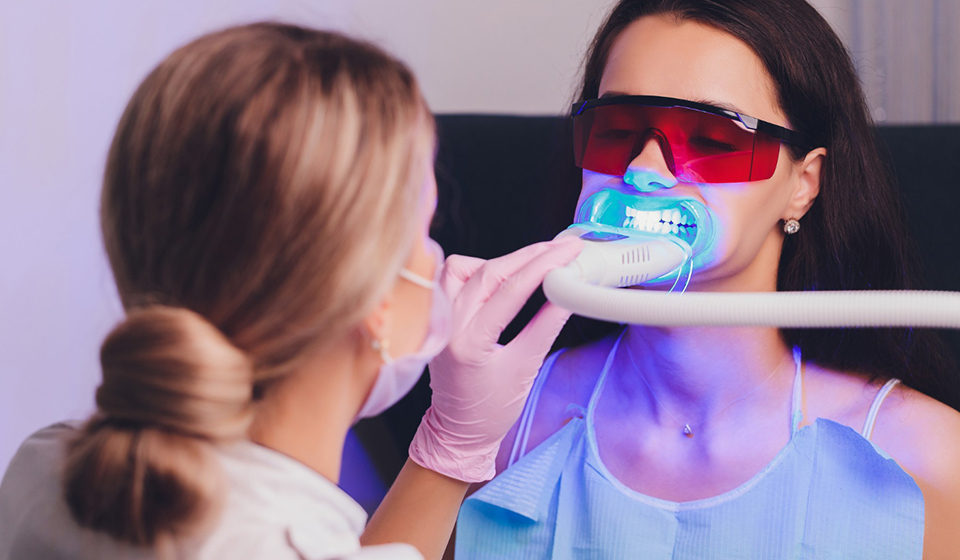
In-office teeth whitening is the fastest and most powerful option for deep stains. Treatment is completed in a single visit or a short series of visits. Dentists apply a professional-grade gel and may use a specialized light to accelerate stain breakdown.

Benefits include:

  • Rapid shade improvement
  • Even whitening across all visible teeth
  • Reduced risk of gum irritation
  • Immediate visible results
  • Custom strength adjustment based on stain severity

Patients with deep stains often see multiple-shade improvement in one appointment.

Custom Take-Home Teeth Whitening Systems

For some deep stains, dentists recommend professional take-home kits with custom trays. These are different from store kits because they are precisely molded to your teeth and use stronger whitening formulas.

Advantages of custom tray whitening:

  • Even gel distribution
  • Better tooth contact
  • Reduced gel leakage
  • Gradual, controlled brightening
  • Ideal for layered stain removal

This method is often used after in-office teeth whitening to enhance and stabilize results.

Teeth Whitening Evaluation Before Treatment

Analytical Shade and Stain Assessment

Deep stains are not all the same. A proper evaluation determines the stain type, depth, and cause before selecting a whitening strategy. This analytical step improves predictability and reduces trial-and-error treatment.

Dentists examine:

  • Enamel thickness
  • Existing restorations
  • Stain color (yellow, brown, gray, blue)
  • Sensitivity risk
  • Gum health
  • Bite patterns

Some deep gray or medication-related stains may require combined cosmetic approaches, but many respond well to staged professional teeth whitening.

Managing Sensitivity During Teeth Whitening

Modern Teeth Whitening Comfort Protocols

One reason people hesitate is fear of sensitivity. Modern professional teeth whitening includes built-in safeguards that significantly reduce discomfort.

Sensitivity control methods include:

  • Pre-treatment desensitizing gels
  • Gum barrier protection
  • Adjusted peroxide strength
  • Shorter treatment intervals
  • Post-whitening mineral treatments

Most patients experience only mild, temporary sensitivity — far less than expected.

Habits That Affect Teeth Whitening Results

Protecting Your Whitening Investment

Deep stains often develop from long-term habits. After professional teeth whitening, behavior plays a major role in maintaining results.

To extend whitening effects:

  • Limit dark beverages for 48 hours after treatment
  • Use a straw for staining drinks
  • Rinse after coffee or tea
  • Avoid smoking
  • Maintain regular cleanings
  • Use dentist-recommended maintenance products

Whitening is not just a procedure — it is part of a broader smile maintenance strategy.

Who Is a Strong Candidate for Professional Teeth Whitening

When Teeth Whitening Works Best

Professional teeth whitening is effective for most healthy adults and many teens, but candidacy depends on oral condition and stain source.

Strong candidates typically have:

  • Natural teeth without large visible fillings
  • Yellow or brown deep stains
  • Healthy gums
  • No active decay
  • Realistic shade expectations

Patients with crowns or veneers may need shade-matching strategies instead of whitening on those teeth.

The Value of Supervised Teeth Whitening

Professional whitening is not just stronger — it is smarter. Treatment is adjusted based on tooth response, stain resistance, and patient comfort. That clinical oversight reduces risk while maximizing visible improvement.

Compared with unsupervised whitening, professional care offers:

  • Customized protocols
  • Real-time monitoring
  • Predictable outcomes
  • Lower complication risk
  • Better shade consistency

For deep stains, supervision is often the difference between disappointment and dramatic improvement.

Final Thoughts on Removing Deep Stains with Teeth Whitening

Deep tooth stains require more than generic solutions — they require professional analysis, stronger whitening science, and carefully managed treatment. With modern clinical systems, stubborn discoloration that once seemed permanent can now be significantly reduced. Patients who pursue Teeth Whitening in Houston through professional care benefit from safer chemistry, better technology, and customized treatment design. At Unident Family Dentistry in Houston, our experienced team delivers results-driven teeth whitening with precision, comfort, and a patient-first mindset — helping you move from stained to stunning with confidence.

New Patient Forms