
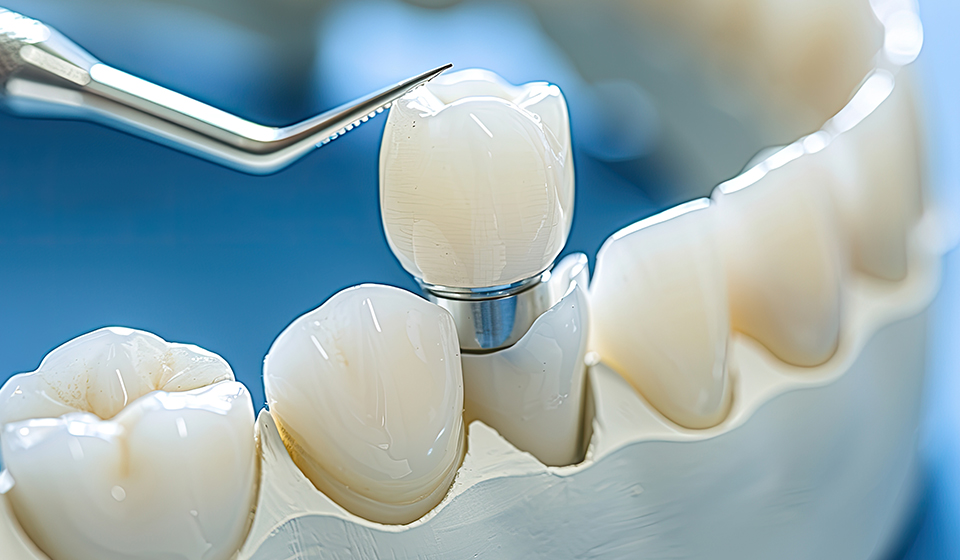
A healthy smile plays an important role in both appearance and overall oral health. Teeth are designed to withstand daily pressure from chewing and speaking, but they can still experience damage. Over time, decay, large fillings, grinding, or infection can weaken the natural structure of a tooth. When a tooth loses significant strength, it becomes vulnerable to cracking, breaking, or further decay.

A dental crown is one of the most effective restorative treatments available to rebuild and protect compromised teeth. By fully covering the visible portion of the tooth, a crown restores durability, function, and appearance while preventing additional damage.

What is a dental crown?

A dental crown is a custom-made, tooth-shaped cap that is placed over a prepared tooth. It completely encases the visible portion above the gum line, acting as a protective outer layer. Unlike a dental filling, which repairs only a small portion of the tooth, a crown restores the entire surface. This full coverage design allows the tooth to regain strength and stability.

Dental crowns can be made from several materials, each selected based on location, bite pressure, and aesthetic goals. The goal is to create a restoration that blends seamlessly while providing long-lasting support.

How do dental crowns restore damaged teeth?

Dental crowns provide both structural and functional benefits by fully covering and protecting compromised teeth while restoring their natural performance and appearance.

Enhancing natural appearance

Modern dental materials such as porcelain are carefully selected and customized to match the color, translucency, and contour of surrounding teeth. This ensures the crown blends seamlessly into the smile while restoring both confidence and aesthetics.

Reinforcing tooth strength

When enamel is weakened due to decay, fractures, or large fillings, the tooth becomes vulnerable to pressure from chewing. A crown acts like a protective helmet, absorbing and evenly distributing biting forces to reduce the risk of cracks, splits, or further structural breakdown.

Providing full coverage protection

Since a crown covers the entire visible surface of the tooth, it creates a secure barrier that seals and shields the remaining natural structure from bacteria, food particles, temperature sensitivity, and additional decay. This protection helps extend the lifespan of the treated tooth.

Restoring proper bite function

Damaged teeth can disrupt normal chewing patterns and place extra strain on surrounding teeth and jaw joints. A crown restores the tooth’s correct shape, size, and height, promoting balanced bite alignment, improved chewing efficiency, and greater overall comfort.

Preserving natural tooth structure

Rather than removing the tooth entirely, a crown allows the dentist to retain as much healthy tooth structure as possible. By reinforcing what remains, the crown supports long-term stability while preventing the need for more extensive procedures.

Long-term benefits of dental crowns

Dental crowns are designed to be durable and reliable. With proper care and regular dental visits, they can last many years. Key benefits include:

  • Protection against further structural damage
  • Improved chewing efficiency
  • Reduced tooth sensitivity
  • Enhanced smile aesthetics
  • Prevention of more complex procedures

Maintaining professional cleanings and examinations allows early detection of any wear or minor concerns before they become major issues.

Conclusion

Dental crowns are a trusted and effective solution for restoring damaged teeth by reinforcing strength, providing full-coverage protection, and improving both function and appearance. By preserving natural tooth structure and restoring proper bite alignment, crowns help patients maintain long-term oral health and comfort. With advancements in dental materials, modern crowns deliver durability and aesthetics that closely mimic natural teeth, making them a versatile choice for a range of restorative needs.

Choosing the right dental provider plays an important role in achieving long-lasting results. At Unident Family Dentistry in Houston, you receive personalized restorative care designed to protect and strengthen your smile. The team focuses on detailed treatment planning, high-quality materials, and modern techniques to ensure crowns fit comfortably and function naturally.

Frequently asked questions

Does getting a dental crown hurt?

The procedure is typically performed under local anesthesia, ensuring comfort during treatment. Mild sensitivity may occur afterward but usually resolves within a few days.

Can a crowned tooth still get decay?

Yes, decay can still develop near the gum line if proper oral hygiene is not maintained. Regular brushing, flossing, and professional cleanings help prevent this issue.

What should be avoided after receiving a dental crown?

It is recommended to avoid chewing very hard objects such as ice or hard candy, as excessive pressure can damage the crown.

How long does the dental crown procedure take?

Crown treatment usually requires two visits spaced about one to two weeks apart. The first visit involves tooth preparation and impressions, while the second visit focuses on permanent placement. 

Why Choose Dental Professionals for Crowns?

Dental professionals bring expertise, experience, and precision to every crown restoration. They can accurately assess the extent of tooth damage, select the best materials, and ensure a proper fit.
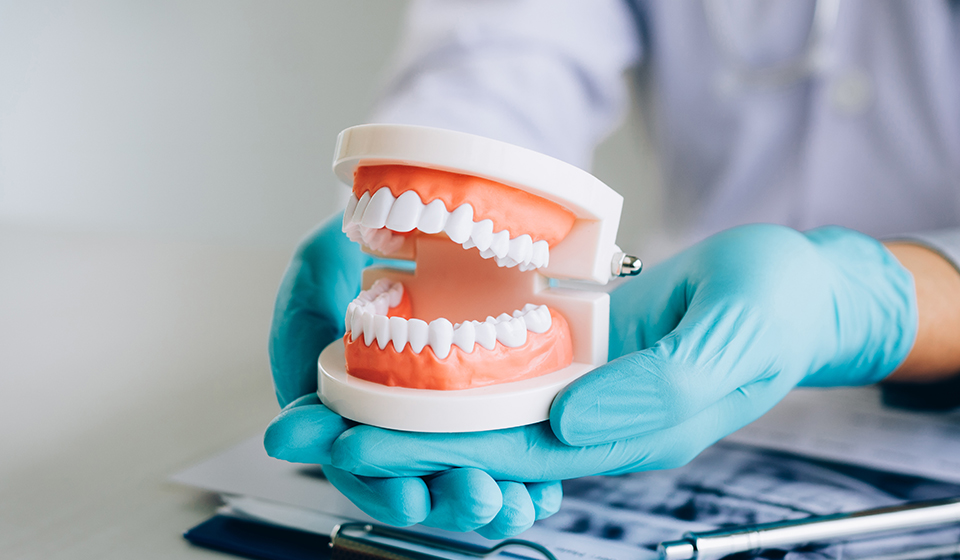
Tooth loss can affect more than just appearance. It can impact speech, chewing ability, confidence, and overall oral health. Fortunately, modern dentistry offers several effective solutions for replacing missing teeth. Among them, dentures in Houston continue to be one of the most popular and reliable options for patients of all ages.

Whether tooth loss occurs due to aging, decay, gum disease, or injury, dentures provide a practical and affordable way to restore function and appearance.

What are dentures?

Dentures are custom-made dental appliances designed to replace missing teeth and surrounding tissue. They are created to fit comfortably in the mouth while restoring the natural look of a smile.

There are two main types of dentures:

  • Full dentures: Full dentures replace all teeth in the upper or lower arch.
  • Partial dentures: Partial dentures replace several missing teeth while preserving the remaining natural teeth.

Modern dentures are crafted using advanced dental materials and technology that significantly improve their durability, comfort, and natural appearance. These materials are designed to mimic the translucency and texture of natural gums and teeth, creating a more realistic smile.

Factors that make dentures a popular tooth replacement

Cost-effective tooth replacement option

One of the primary reasons dentures are so popular is affordability. Compared to dental implants or fixed bridges, dentures typically require a lower initial investment. This makes them accessible to patients who need full mouth restoration but are working within a budget.

For individuals seeking a reliable and cost-effective tooth replacement option, dentures offer a practical solution without compromising everyday function. They are designed to restore the ability to chew, speak clearly, and maintain proper facial structure, all while being more affordable than many other restorative treatments. 

Restores appearance and confidence

Missing teeth can lead to loss of facial volume, a sunken appearance, and premature aging due to the lack of support for facial muscles. Dentures help restore that support by maintaining proper facial structure and improving overall balance in the face. This added support can reduce the appearance of wrinkles around the mouth and create a fuller, more youthful look.

Modern dentures are carefully crafted to replicate the natural shape, size, and shade of real teeth. Designed with attention to facial proportions and symmetry, they complement individual features rather than appearing artificial. When professionally fitted, dentures blend naturally with the smile, allowing patients to feel more confident in social and professional settings.

Improves chewing and speech

Tooth loss can interfere with the ability to break down food properly and pronounce words with clarity. Dentures help restore biting strength and chewing efficiency, allowing for a more balanced diet and greater comfort during meals. Improved chewing function also supports better digestion and overall health.

Dentures play an important role in speech by filling spaces left by missing teeth. These gaps can affect tongue placement and airflow, leading to unclear pronunciation or difficulty forming certain sounds. With a proper fit and adjustment period, dentures help to improve speech clarity and restore more natural communication.

Non-surgical treatment option

Dentures provide a reliable tooth replacement solution without the need for surgical procedures. Unlike dental implants, this treatment does not involve placing posts into the jawbone, making it a suitable choice for individuals who prefer a less complex approach. It is also a practical option for patients who may not qualify for implant surgery due to certain medical conditions, reduced bone density, or other health considerations.

The process of receiving dentures typically includes detailed impressions, careful measurements, and multiple fittings to achieve proper alignment and comfort. Adjustments are made as needed to ensure stability, balanced bite function, and a secure fit that supports daily activities such as eating and speaking.

Customizable and versatile

Dentures offer a high level of customization to meet individual functional and aesthetic needs. Dental professionals carefully design them to match the natural shade, shape, and contour of existing teeth and gum tissue, creating a balanced and realistic appearance. Each set is crafted based on detailed impressions and measurements to ensure proper fit and overall comfort. 

Partial dentures provide additional versatility by replacing only the missing teeth while preserving the remaining natural teeth. They help prevent neighboring teeth from shifting into empty spaces, which can lead to bite problems and misalignment. By maintaining proper spacing and structural balance, partial dentures contribute to long-term oral stability and improved function.

Why choose professionals for dentures?

Choosing an experienced dental professional is essential for achieving comfortable, natural-looking, and long-lasting dentures. Proper denture treatment involves more than simply replacing missing teeth. It requires detailed evaluation of oral health, jaw alignment, gum condition, and facial structure to ensure the final result looks balanced and functions correctly.

Working with a trusted provider such as Unident Family Dentistry in Houston ensures personalized care and high-quality materials designed for durability and aesthetics. Our expertise in restorative dentistry allows you to receive customized denture solutions that restore both function and confidence. Our professional guidance also includes ongoing support, maintenance recommendations, and timely adjustments to extend the lifespan of the dentures and protect overall oral health.

Conclusion

Dentures remain one of the most dependable and accessible solutions for replacing missing teeth. They restore essential functions such as chewing and speaking while also supporting facial structure and enhancing overall appearance. With advancements in dental materials and technology, modern dentures provide improved durability, comfort, and a more natural look than ever before.

As a cost-effective and non-surgical option, dentures are suitable for a wide range of patients experiencing partial or complete tooth loss. Their customizable design allows for a personalized fit that promotes stability, oral balance, and long-term function. With professional guidance and regular maintenance, dentures can successfully restore confidence, comfort, and quality of life for years to come.

Frequently asked questions

Are dentures comfortable to wear?

Modern dentures are designed for improved comfort and stability. An adjustment period is normal, but professionally fitted dentures should not cause ongoing pain.

Can dentures improve speech?

Yes. Dentures help fill gaps left by missing teeth, which supports proper tongue placement and airflow. This often improves pronunciation and overall speech clarity after an initial adjustment period.

Are dentures a good alternative to dental implants?

Dentures are an excellent non-surgical option for tooth replacement. They are more affordable than implants and suitable for individuals who may not qualify for surgical procedures.

Do dentures require special care?

Dentures should be cleaned daily to remove plaque and food particles. Regular dental visits are also important to monitor fit, oral health, and overall function.

Who is a good candidate for dentures?

Dentures are suitable for individuals experiencing multiple missing teeth or complete tooth loss due to aging, decay, gum disease, or injury. A dental evaluation determines the most appropriate treatment plan.

Why choose a professional provider for dentures?

Professional care ensures precise measurements, proper bite alignment, and high-quality materials for long-lasting results. Experienced providers offer customized denture solutions along with ongoing support and adjustments to maintain comfort and function.

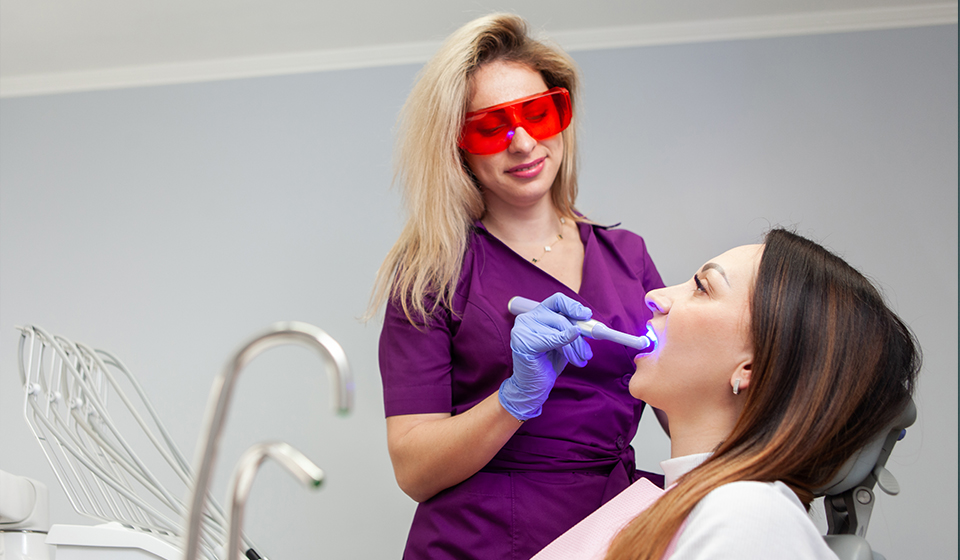
Teeth whitening is one of the most popular cosmetic dental treatments for achieving a brighter, more confident smile. Whether performed in-office or with professional take-home kits, whitening treatments can effectively remove stains and discoloration. However, temporary tooth sensitivity is a common side effect.

Sensitivity after teeth whitening typically occurs because the whitening agents penetrate the enamel to break down stains, temporarily exposing the dentin layer beneath. This can lead to short-lived discomfort when consuming hot, cold, or sweet foods and beverages. The good news is that this sensitivity is usually mild and manageable.

How to manage sensitivity after teeth whitening

Use a desensitizing toothpaste

Switching to a toothpaste formulated for sensitive teeth can significantly reduce discomfort. These toothpastes contain ingredients that help block pain signals from reaching the nerves inside the teeth.

For best results:

  • Use the toothpaste consistently for several days after whitening
  • Brush gently using a soft-bristle toothbrush
  • Avoid aggressive scrubbing, which can worsen sensitivity

Desensitizing toothpaste can also be used before future whitening treatments as a preventive measure.

Avoid extremely hot or cold foods and drinks

After whitening, teeth may be more reactive to temperature changes. Limiting exposure to very hot coffee, iced beverages, soups, or frozen desserts can help prevent triggering discomfort.

Instead, choose:

  • Room temperature water
  • Lukewarm beverages
  • Mild foods that are not overly hot or cold

This simple adjustment can make a noticeable difference during the first 24 to 48 hours following treatment.

Stay away from acidic and sugary foods

After teeth whitening, enamel can become temporarily more porous, making teeth more vulnerable to irritation. Acidic and sugary foods can aggravate sensitivity and weaken enamel during this recovery period. Items such as citrus fruits, carbonated beverages, sports drinks, tomato-based sauces, and processed sweets may intensify discomfort and prolong sensitivity.

Choosing a balanced diet that supports enamel health can make a noticeable difference. Focus on mild, non-acidic foods such as lean proteins, whole grains, vegetables, and dairy products, which provide essential nutrients like calcium. Drinking plenty of water also helps neutralize acids and maintain a healthy oral environment. 

Take a break between whitening sessions

Overusing whitening products can increase enamel irritation and tooth sensitivity. Following professional recommendations regarding the frequency and duration of treatments is essential to protect enamel and maintain oral health. Excessive or closely spaced whitening sessions may weaken enamel temporarily and prolong discomfort.

If sensitivity develops, allow teeth sufficient time to recover before resuming treatment. Most post-whitening sensitivity improves within a few days as the enamel rehydrates and stabilizes. Spacing out whitening sessions not only reduces the risk of irritation but also supports safer, more consistent, and longer-lasting results.

Consult a dental professional if sensitivity persists

Mild sensitivity after whitening is normal and temporary, often resolving as the teeth naturally rehydrate and enamel regains balance. However, if discomfort is severe, interferes with eating or drinking, or lasts longer than a few days, professional evaluation may be necessary. Prolonged sensitivity can sometimes signal underlying enamel weakness or other dental concerns that require attention.

A dental provider can:

  • Assess enamel health: The dentist will examine the strength and condition of the enamel to determine whether thinning, wear, or erosion is contributing to heightened sensitivity.
  • Suggest alternative whitening methods: If sensitivity is significant, a gentler whitening approach or adjusted treatment schedule may be recommended to achieve results more comfortably.
  • Identify underlying issues such as cavities or gum recession: Hidden decay, small cracks, exposed roots, or receding gums can increase sensitivity and may need treatment before continuing any whitening procedure.

Professional guidance ensures that whitening treatments are carefully monitored to minimize sensitivity, protect enamel integrity, and deliver consistent, long-lasting results. Choosing an experienced provider such as Unident Family Dentistry in Houston helps ensure that teeth whitening is performed with precision and patient comfort in mind. With professional oversight and personalized care, patients can achieve a brighter smile while maintaining strong enamel and supporting long-term oral health.

Final thoughts

Sensitivity after teeth whitening can be uncomfortable, but it is typically temporary and manageable with the right approach. Simple adjustments such as using desensitizing toothpaste, avoiding extreme temperatures, limiting acidic and sugary foods, and spacing out whitening sessions can significantly reduce discomfort while allowing enamel to recover properly.

If sensitivity persists or concerns arise, seeking professional evaluation ensures that any underlying issues are addressed promptly. With proper care and guidance, teeth whitening can remain a safe, effective, and confidence-boosting cosmetic solution that supports long term oral health.

Frequently asked questions

Is tooth sensitivity after whitening normal?

Yes, temporary sensitivity is a common side effect of whitening treatments. It occurs because the whitening agents penetrate the enamel to remove stains, temporarily exposing the dentin layer.

What helps reduce sensitivity quickly?

Using a desensitizing toothpaste, avoiding very hot or cold foods and drinks, and limiting acidic or sugary items can help minimize discomfort. 

Should whitening be stopped if sensitivity occurs?

If sensitivity becomes uncomfortable, it is advisable to pause treatment and allow the teeth time to recover. Spacing out sessions can help protect enamel and reduce irritation.

Can whitening damage enamel?

When performed according to professional guidelines, whitening treatments are considered safe and do not permanently damage enamel. 

When should a dentist be consulted about sensitivity?

Professional evaluation is recommended if sensitivity is severe, worsens over time, or lasts longer than a few days. Persistent discomfort may indicate enamel wear, cavities, or gum recession that requires attention.

New Patient Forms