Dental health plays a pivotal role in maintaining overall well-being, and one of the most effective advancements in dental care over the years has been the development of dental implants. Dental implants in Houston have revolutionized the way we approach tooth loss, not only in terms of aesthetics but also in improving long-term comfort and oral health. Unlike traditional dentures or bridges, implants are designed to look, feel, and function like natural teeth. They provide a permanent solution for missing teeth, offering many benefits that improve the quality of life. 

What are dental implants?

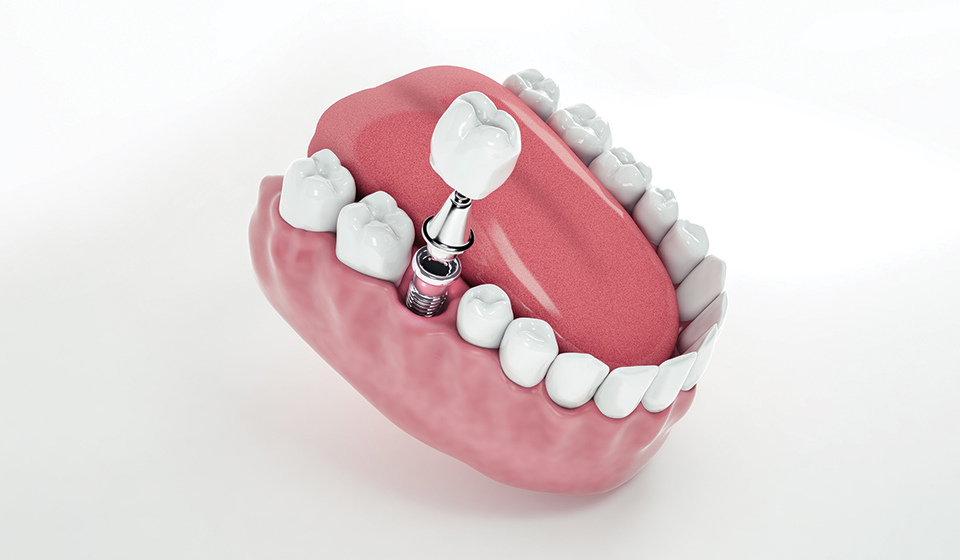
A dental implant is a small titanium post that is surgically placed into the jawbone where a tooth is missing, creating a stable foundation for replacement teeth. Once the implant has successfully fused with the bone, a crown, bridge, or denture can be placed on top, offering a natural and functional replacement for the lost tooth. This unique structure offers several benefits over traditional dental solutions, especially when it comes to comfort and oral health.

How dental implants improve comfort

  • Stability and security: Implants are securely anchored in the jawbone, preventing any shifting or movement like traditional dentures, offering greater comfort while eating, speaking, and smiling.
  • No more gum irritation: Unlike removable dentures, dental implants do not cause rubbing or irritation to the gums, eliminating sores or discomfort.
  • Prevention of jawbone deterioration: Implants provide necessary stimulation to the jawbone, preventing bone loss and maintaining the shape of the face.
  • Improved bite force and function: Implants function like natural teeth, allowing you to bite, chew, and enjoy a wide variety of foods without discomfort.
  • Long-term comfort: Unlike dentures that can lose fit over time, dental implants provide consistent comfort without the need for adjustments.

How dental implants improve oral health

  • Preservation of natural teeth: Implants do not require altering adjacent teeth, preserving their natural structure and alignment.
  • Long-term solution: Implants offer a permanent solution to tooth loss, reducing the need for replacements or repairs, unlike dentures or bridges.
  • Easier oral hygiene maintenance: Implants allow for normal brushing and flossing, making it easier to maintain oral hygiene and reducing the risk of plaque buildup.
  • Reduced risk of gum disease: Since implants are securely placed in the jawbone, they help maintain gum health by preventing irritation, food trapping, and plaque buildup that can occur with dentures.
  • Prevention of further dental issues: By preventing bone loss and keeping the surrounding teeth aligned, implants reduce the risk of misalignment, tooth shifting, and other oral health problems. 

Conclusion

Dental implants represent a significant advancement in dental care, providing an effective and lasting solution for individuals suffering from tooth loss. They improve both comfort and oral health by offering stability, enhancing functionality, and preserving the natural structure of the jawbone. With the ability to mimic the appearance and function of natural teeth, dental implants help prevent bone loss, eliminate discomfort caused by dentures, and contribute to a more confident smile. 

For those considering dental implants, it’s essential to choose a trusted provider with experience in delivering high-quality care. Unident Family Dentistry in Houston is dedicated to offering the best in dental implant services, helping patients restore both the aesthetics and functionality of their smiles. 

Frequently asked questions

How do dental implants improve comfort?

Dental implants are securely anchored in the jawbone, providing stability that prevents shifting or discomfort, a common issue with traditional dentures. They do not rub against the gums, eliminating irritation, and offer the ability to bite and chew naturally without restriction.

Are dental implants permanent?

Yes, dental implants are a long-term solution for missing teeth. With proper care, they can last a lifetime.

Do dental implants help prevent bone loss?

Yes, one of the significant benefits of dental implants is that they stimulate the jawbone, preventing bone loss. This helps preserve the natural shape of the jaw and the surrounding teeth, which can deteriorate without the presence of a tooth root.

Are dental implants better than dentures?

Dental implants are considered a better long-term solution than dentures. They are securely anchored in the jaw, preventing discomfort or shifting, which can happen with dentures.

How do dental implants affect daily life?

Dental implants are designed to feel and function like natural teeth. They allow you to eat, speak, and smile comfortably without worrying about slippage or discomfort, unlike dentures. 
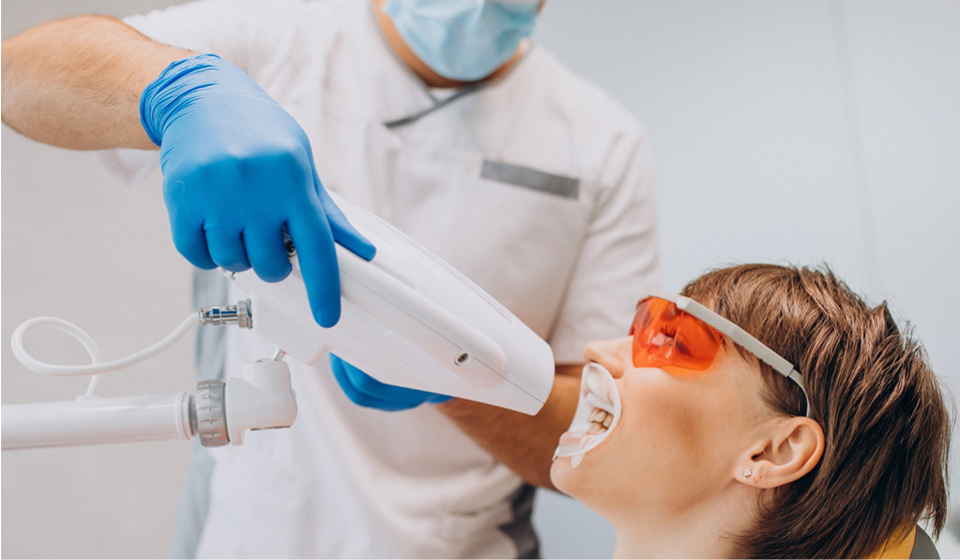
Achieving a brighter, whiter smile can boost confidence and create a more youthful appearance. Many people invest time and money into teeth whitening treatments, only to find that the results fade faster than expected. To enjoy a whiter smile for longer, it is important to understand not only the method used but also the lifestyle choices and maintenance habits that influence the longevity of the results. Knowing the key considerations that help ensure whitening outcomes remain vibrant and long-lasting can make a significant difference in maintaining a radiant smile.

Things to consider for long‑lasting whitening results

Establishing effective daily oral care habits

After a whitening treatment, maintaining daily oral care is essential for long-lasting results. Brushing twice a day and flossing daily removes surface buildup that can dull your smile. Using a soft-bristled or whitening toothpaste helps lift stains gently and effectively. Rinsing with water after meals and drinks also prevents staining and keeps your smile bright.

Diet choices that protect whitening results

The foods and drinks consumed can either support or diminish whitening results. Dark beverages like coffee, tea, soda, and fruit juices can stain enamel, while acidic drinks weaken it, making teeth more prone to discoloration. Strategies such as using a straw, rinsing with water after meals, and moderating stain-causing foods help maintain whiteness. Choosing enamel-friendly foods and beverages supports long-lasting whitening results and overall oral health.

Lifestyle factors that influence whitening longevity

Lifestyle habits play a major role in maintaining whitening results. Smoking and tobacco use can deeply stain enamel, while quitting protects both teeth and overall oral health. Staying hydrated supports saliva flow, which naturally cleanses the mouth and neutralizes acids, preventing stains from setting. 

Additionally, teeth grinding or clenching can wear enamel, making teeth more prone to discoloration. Using a custom mouth guard or consulting a dental professional can help protect enamel and preserve long-lasting whitening results.

Professional follow‑up and maintenance practices

Maintaining long-lasting whitening results requires regular dental checkups and professional cleanings. Even with diligent home care, plaque and tartar can accumulate in hard-to-reach areas, and professional cleaning helps keep teeth smooth and less prone to staining. Regular evaluations allow early detection of dental issues like cavities or gum inflammation, protecting both whitening results and overall oral health.

Common misconceptions about whitening results

Many myths about teeth whitening can lead to unrealistic expectations or poor decisions. Understanding these misconceptions helps set realistic goals and ensures better results.

  • Toothpaste alone cannot maintain professional results: While whitening toothpaste supports regular cleaning, it cannot replace professional treatments or a comprehensive maintenance plan.
  • More frequent treatments do not equal faster results: Excessive whitening can weaken enamel, increase sensitivity, and make teeth more susceptible to staining and decay. Balance and professional guidance are essential.
  • Not all whitening products are equally effective: Products differ in strength, application methods, and outcomes. Knowing how different formulas work helps select the right approach and avoid disappointment.

By clarifying these common myths, it becomes easier to maintain a brighter smile safely and effectively.

Conclusion

Maintaining a bright, long-lasting smile requires more than just completing a teeth whitening treatment. It involves consistent daily oral care, mindful dietary choices, healthy lifestyle habits, and regular professional follow-up. Brushing and flossing effectively and protecting enamel from wear are essential to preserve whitening results. Understanding common misconceptions also helps set realistic expectations and ensures safer, more effective outcomes.

For the best results and personalized guidance, trusting a skilled dental team is essential. At Unident Family Dentistry in Houston, you receive expert evaluations, customized whitening plans, and professional maintenance recommendations designed to keep smiles radiant and healthy for years. By combining professional care with proper daily habits, achieving and maintaining a bright, confident smile becomes a manageable and rewarding goal.

Frequently asked questions

How can daily oral care affect teeth whitening results?

Consistent brushing twice a day and daily flossing remove surface buildup that can dull teeth. Using a soft-bristled or whitening toothpaste and rinsing with water after meals helps maintain a bright, long-lasting smile.

Do frequent whitening treatments improve results faster?

Excessive whitening can weaken enamel, increase sensitivity, and make teeth more vulnerable to staining. Following professional guidance ensures safer and more effective results.

Why are professional follow-ups important after whitening treatments?

Regular dental checkups and professional cleanings remove plaque and tartar in hard-to-reach areas, keeping teeth smooth and less prone to staining. 

Can whitening toothpaste alone maintain professional results?

No. While whitening toothpaste supports daily cleaning, it cannot replace professional treatments or a structured maintenance plan.

Are all whitening products equally effective?

No. Whitening products vary in strength, application methods, and outcomes. Understanding the differences helps select the most suitable approach for safe, long-lasting results.

A bright, confident smile plays a major role in a person’s quality of life. Missing teeth can affect not only how you speak and eat but also how you feel about yourself. A custom dental bridge in Houston is a reliable and time‑tested solution for replacing missing teeth.

Understanding the advantages of a custom dental bridge can help you make an informed choice when exploring tooth replacement options. Whether you are new to dental restorations or weighing your choices, learning how a custom dental bridge works and why it is beneficial gives you a solid foundation to decide on the best path for your smile.

What is a custom dental bridge?

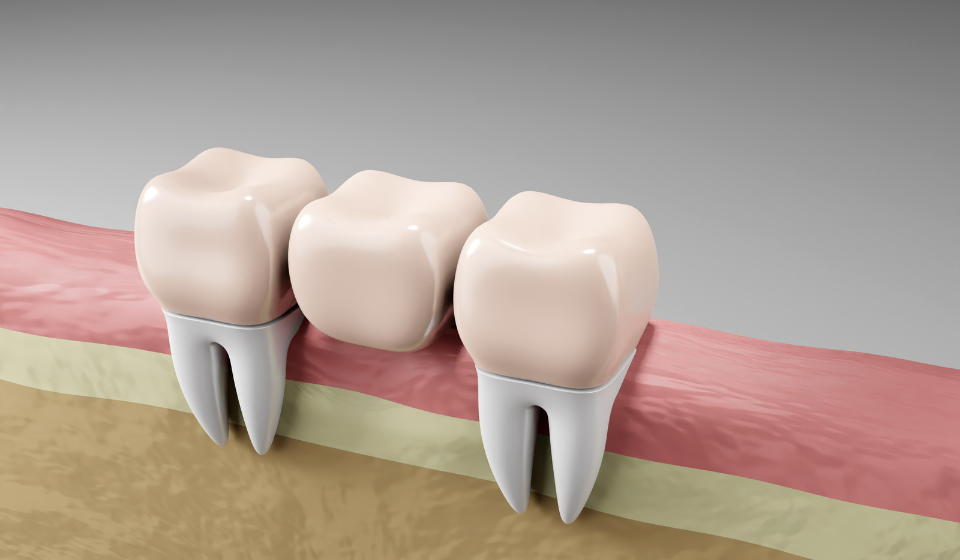
A custom dental bridge is a fixed dental restoration used to replace one or more missing teeth. The bridge consists of two main components. The abutment teeth are the healthy teeth on either side of the gap, and the pontic or pontics are the artificial replacement teeth. Connected together by a customized framework, the bridge literally bridges the space between natural teeth. Unlike removable partial dentures, a custom dental bridge is permanently anchored in place.

Who is a good candidate for a dental bridge?

A custom dental bridge is ideal for many people who have lost one or more teeth. You might be a good candidate if:

  • You have healthy teeth adjacent to the gap that can support a bridge.
  • You want a fixed restoration instead of a removable denture.
  • You have difficulty chewing or speaking due to missing teeth.
  • You want to prevent your remaining teeth from shifting position.

When oral health and bone structure are sufficient, a custom dental bridge remains a reliable method for tooth replacement.

Top benefits of a custom dental bridge

Restores bite function

Missing teeth affect how your upper and lower teeth come together. Without full contact between teeth, chewing becomes less efficient, and you may avoid certain foods. A custom dental bridge restores proper bite alignment, allowing you to chew comfortably and eat a wide variety of foods. Better chewing function supports overall nutrition and helps you enjoy meals without hesitation.

Enhances appearance and confidence

Gaps from missing teeth are often visible when you smile. This can lead to self-conscious behavior and reluctance to participate in social settings. A custom dental bridge fills those gaps with natural-looking artificial teeth. Because the bridge is carefully color-matched and shaped to suit your smile, it looks authentic and attractive. The result is a restored smile that enhances confidence and makes you feel more comfortable in interactions.

Prevents teeth from shifting

Your teeth are designed to support each other. When one or more teeth are missing, neighboring teeth begin to drift into the space. This shifting can lead to bite problems, crowding, and difficulty cleaning between teeth. A custom dental bridge prevents unwanted movement by stabilizing adjacent teeth. This helps maintain proper spacing and protects the long-term alignment of your smile.

Maintains jaw structure

Over time, missing teeth can contribute to bone loss in the jaw. When the jawbone no longer receives stimulation from a tooth root, it begins to shrink. While bridges do not replace the root itself, they help preserve jawbone integrity by maintaining tooth alignment and reducing the stress that can accelerate bone loss. This effect contributes to better oral health and facial structure.

Durable long-term solution

With proper care, custom dental bridges can last many years. Advances in dental materials and techniques make modern bridges stronger and more natural-looking than ever. Regular dental check-ups, good daily hygiene, and healthy habits contribute to the longevity of your bridge. 

Why choose a professional for your custom dental bridge?

Choosing a professional dentist for your custom dental bridge ensures that your restoration is both functional and natural-looking. At Unident Family Dentistry in Houston, our skilled team carefully evaluates your oral health, jaw structure, and the condition of adjacent teeth to determine the best bridge design for your needs. With precise measurements and expert placement, we can create a bridge that fits perfectly, restores bite alignment, and blends seamlessly with your smile. 

Frequently asked questions

How does a dental bridge restore bite function?

A custom dental bridge restores proper bite alignment by filling gaps left by missing teeth, allowing for efficient chewing and the ability to enjoy a variety of foods, which supports overall nutrition and oral health.

Can a dental bridge improve appearance and confidence?

Yes. A dental bridge fills visible gaps with natural-looking artificial teeth that are color-matched and shaped to blend seamlessly with existing teeth, enhancing the smile and boosting self-confidence.

How does a dental bridge prevent teeth from shifting?

Missing teeth can cause neighboring teeth to drift into the space, leading to bite problems and crowding. A dental bridge stabilizes surrounding teeth, maintains proper spacing, and protects long-term alignment.

Does a dental bridge help maintain jaw structure?

While bridges do not replace tooth roots, they help preserve jawbone integrity by maintaining tooth alignment and reducing stress that can contribute to bone loss, supporting overall oral health and facial structure.

How long does a dental bridge last?

With proper care, modern dental bridges can last many years. Regular dental check-ups, good daily oral hygiene, and healthy habits all contribute to the durability and long-term success of the restoration.

New Patient Forms