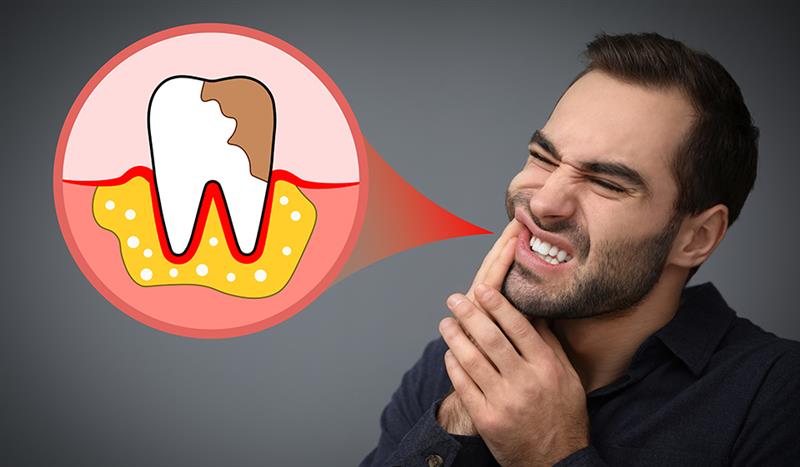
Gum disease, also known as periodontal disease, is one of the most common oral health issues worldwide, and yet, it’s also one of the most overlooked. It begins quietly, often with mild irritation or bleeding while brushing, and if left untreated, it can progress to serious infections and even tooth loss. Many people fail to realize that gum health is just as important as tooth health. Without healthy gums, your teeth simply cannot thrive. Visiting a trusted dentist in Houston can make a significant difference in preventing gum disease from developing or worsening.

The good news is that gum disease is both preventable and treatable when addressed early. By learning the causes, recognizing the symptoms, and committing to effective prevention, you can protect your smile and overall well-being.

Causes of Gum Disease

Gum disease develops when bacteria build up around the teeth and gums. Over time, this bacteria forms plaque and eventually tartar, which irritates and inflames the gums. While poor oral hygiene is the most common cause, several other factors can increase the risk of developing gum disease:

  • Inadequate brushing and flossing—Allowing plaque to remain on teeth leads to gum irritation.
  • Smoking and tobacco use – Nicotine reduces blood flow to the gums, slowing healing and increasing infection risks.
  • Hormonal changes—Pregnancy, menstruation, or menopause can make gums more sensitive and prone to inflammation.
  • Medical conditions—Diabetes, autoimmune diseases, and heart disease can worsen gum health.
  • Medications—Certain prescriptions cause dry mouth or gum swelling, both of which heighten risks.
  • Genetics—Some individuals may be more predisposed to gum disease due to hereditary factors.

When plaque and tartar are left untreated, the gums begin pulling away from the teeth, forming pockets that harbor even more bacteria. This cycle accelerates the progression of periodontal disease.

Recognizing the Symptoms of Gum Disease

The early signs of gum disease can be easy to dismiss. Many patients ignore the symptoms until the condition has progressed. Regular checkups with a dentist in Houston ensure that even subtle warning signs are caught before they lead to long-term complications.

Look out for these common symptoms:

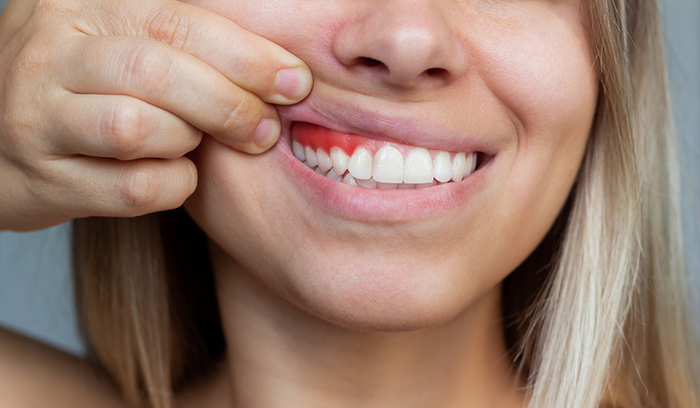
  • Red, swollen, or tender gums
  • Gums that bleed while brushing or flossing
  • Persistent bad breath (halitosis)
  • Receding gum line, making teeth appear longer
  • Loose or shifting teeth
  • Pus or discharge near the gums

In its early stage, gingivitis may only involve mild gum irritation, but if left untreated, it can develop into periodontitis, a much more severe condition where bone and tissue damage occur. At that stage, teeth may loosen and require extraction.

Prevention Tips for Healthy Gums

Prevention is always more effective than treatment. Small, consistent habits can drastically reduce the likelihood of developing gum disease. Here are practical steps you can take:

  • Brush teeth at least twice daily using fluoride toothpaste.
  • Floss once a day to remove plaque from areas brushing cannot reach.
  • Use an antimicrobial mouthwash to reduce bacteria.
  • Avoid smoking and limit alcohol consumption.
  • Eat a balanced diet rich in vitamins and minerals that support gum health.
  • Schedule dental cleanings at least twice a year.

When patients commit to these practices, they often avoid the discomfort, cost, and stress of advanced gum treatments.

Treatment Options for Gum Disease

If gum disease does develop, treatment depends on the severity of the condition. Dentists provide a range of solutions to restore gum health:

Professional Cleaning and Scaling

In the early stages, a deep cleaning removes plaque and tartar buildup above and below the gumline. This process, called scaling and root planing, smooths the tooth roots to help gums reattach.

Medication

Dentists may prescribe antibiotics, antimicrobial rinses, or gels to control bacterial infection.

Advanced Procedures

For more severe cases, surgical options such as flap surgery, soft tissue grafts, or bone regeneration may be recommended to restore support and prevent further tooth loss.

Maintenance

Ongoing care is essential. Patients who have undergone gum disease treatment need regular follow-ups and cleanings to ensure the infection doesn’t return.

When to See a Dentist

Many people wait until pain becomes unbearable before seeing a dentist. However, gum disease often progresses silently. If you experience bleeding gums, bad breath, or notice receding gum lines, don’t delay treatment. Early diagnosis is the difference between a simple cleaning and complex surgical interventions.

Regular visits also enable dentists to detect other oral health issues, such as cavities, oral cancer, and jawbone problems. By making checkups part of your routine, you safeguard not just your smile but your overall health.

Conclusion

Gum disease is more than just a dental concern; it’s a health issue that affects your entire body. By understanding the causes, recognizing symptoms, and committing to prevention, you can protect your smile for years to come. Treatments are available at every stage, but the best outcomes always come from early action.

If you’re searching for reliable care and lasting results, Unident Family Dentistry in Houston is here to help you take control of your oral health and enjoy a lifetime of confident smiles.

Struggling to get a full night’s rest even after hours of sleep? Feeling groggy, irritable, or foggy throughout the day? These could be subtle yet serious signs of sleep apnea, a common yet underdiagnosed condition that disrupts your breathing while you sleep. It affects millions of people around the world, including many residents experiencing sleep apnea in Houston. While many think of a sleep specialist or physician for treatment, your dentist can also play a vital role, especially in cases of mild to moderate sleep apnea.

With the growing understanding of how dental structures impact airway flow, dentists are becoming more actively involved in identifying, managing, and even treating this condition through noninvasive, comfortable solutions.

What Is Sleep Apnea?

Sleep apnea is a disorder where your breathing repeatedly stops and starts while sleeping. These interruptions may last for just a few seconds but can occur dozens or even hundreds of times per night, robbing your body of much-needed oxygen. The most common form is obstructive sleep apnea (OSA), which occurs when the muscles in the back of your throat relax too much, causing your airway to collapse or become blocked.

Common symptoms of sleep apnea include:

  • Loud, chronic snoring
  • Waking up gasping or choking
  • Morning headaches
  • Excessive daytime sleepiness
  • Poor concentration or memory issues
  • Mood swings or depression

While severe cases may require continuous positive airway pressure (CPAP) therapy or even surgical intervention, mild to moderate sleep apnea can often be managed effectively with dental appliances prescribed by your dentist.

How Dentists Help in Managing Sleep Apnea

Many people are surprised to learn that their dental professional can offer effective solutions for sleep apnea. Here’s how your dentist steps into this critical role:

Screening and Initial Detection

Most people first become aware of their sleep issues through their partner’s complaints about snoring. When you visit a dentist trained in sleep apnea screening, they may notice signs like

  • A scalloped tongue
  • Worn-down teeth from grinding (bruxism)
  • A narrow jaw or high-arched palate
  • Mouth breathing

Dentists often conduct a preliminary evaluation and may recommend a sleep study to confirm the diagnosis.

Monitoring and Long-Term Management

Dentists play an ongoing role in ensuring your treatment remains effective. After your appliance is fitted, follow-up appointments are essential to monitor its impact and make any needed adjustments. Your dentist may work in tandem with your sleep physician to assess your results through follow-up sleep studies.

Causes of Sleep Apnea You Should Know

Understanding the root causes of sleep apnea can help guide both diagnosis and treatment. Some common contributors include:

  • Excess weight—Fat deposits around the neck can obstruct breathing.
  • Genetics—Narrow airways, overbites, or family history
  • Age and gender—More common in men and adults over 40
  • Alcohol or sedative use—These relax the muscles of the throat.
  • Smoking—Increases inflammation and fluid retention in the airway
  • Nasal congestion – Chronic allergies or structural issues

Dentists often evaluate oral and facial anatomy, helping to identify structural causes that can be improved with targeted appliances.

When to See a Dentist for Sleep Apnea

Many people live with sleep apnea for years without realizing it. If you or someone you know is experiencing the following signs, it’s time to consult a dentist trained in sleep apnea care:

  • Loud snoring that disrupts others’ sleep
  • Waking up with a dry mouth or sore throat
  • Difficulty staying asleep
  • Chronic fatigue or irritability
  • A diagnosis of mild to moderate sleep apnea and intolerance to CPAP

Dental intervention is particularly effective for individuals who are CPAP-intolerant, travel frequently, or simply prefer a less obtrusive solution.

Sleep Apnea and Oral Health: A Two-Way Street

What many patients don’t realize is how strongly sleep apnea and oral health are connected. For example:

  • Teeth grinding often occurs in response to nighttime breathing interruptions.
  • Dry mouth caused by mouth breathing can increase your risk for cavities and gum disease.
  • Jaw pain or temporomandibular joint disorder (TMJ) can be both a cause and consequence of disrupted sleep.

Your dentist can detect these symptoms and explore whether sleep apnea could be the underlying issue. Addressing both sleep apnea and oral health together ensures more comprehensive care and better long-term outcomes.

Conclusion

Sleep apnea may seem like a condition far removed from your oral health, but your dentist is often one of the first professionals to notice the signs. From evaluating your airway structure to fitting you with a custom appliance, dental care offers a patient-friendly approach to better rest and better health.

Whether you’re experiencing sleep apnea in Houston or just curious about whether your restless nights are more than just bad sleep habits, don’t ignore the signs. Talk to your dentist today, because quality sleep is just as vital to your wellness as regular brushing and flossing.

If you’re looking for a non-invasive, effective solution to sleep apnea, your answer might be just a dental visit away. At Unident Family Dentistry in Houston, our experienced team is dedicated to helping you achieve not only a healthier smile but also a more restful, energized life. Let’s work together to make sleep apnea a problem of the past.

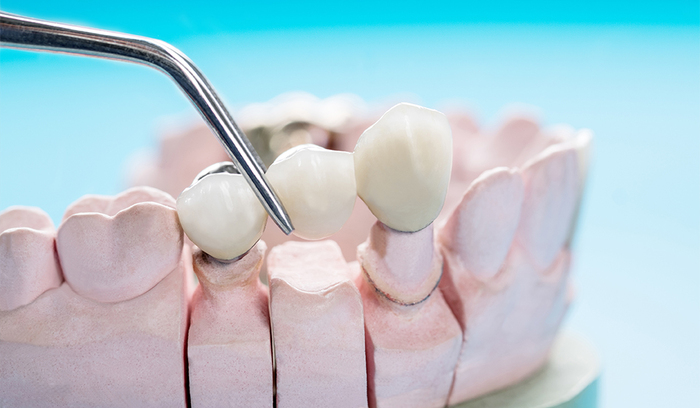
Dental crowns are one of the most reliable and widely used solutions in modern dentistry. Whether you’re dealing with a damaged tooth, extensive decay, or cosmetic concerns, dental crowns can offer a long-term fix that blends functionality and aesthetics. If you’re researching dental crowns in houston, you’re in the right place.

What Are Dental Crowns?

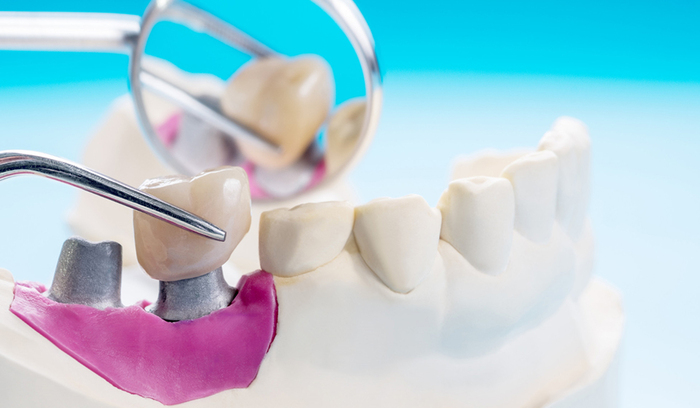
Dental crowns are tooth-shaped caps placed over a natural tooth or implant to restore strength, shape, size, and appearance. They’re often used when a tooth is cracked, weakened by decay, or following a root canal. Crowns can be made from a variety of materials or a combination of various materials. They not only protect your existing tooth structure but also offer a completely natural-looking finish, which is why so many patients choose them to enhance both function and aesthetics.

Dental Crowns Restore Your Appearance

A common misconception is that crowns are only cosmetic. In reality, they offer structural support and prevent further deterioration of compromised teeth. Think of a crown as armour for your tooth; it shields and reinforces what’s underneath.

  • Protects against cracks and fractures
  • Reduces sensitivity in worn teeth
  • Restores bite alignment
  • Supports dental bridges and implants

Crowns allow you to chew and speak with confidence while maintaining the integrity of your natural tooth.

The Procedure Is Simpler Than You Think

Getting dental crowns in Houston typically requires two appointments. In the first visit, your dentist reshapes the tooth and takes digital or physical impressions. A temporary crown is placed while your permanent one is fabricated in a lab.

On your second visit, the temporary crown is removed, and the final one is cemented into place, precisely fitted to feel and function like a natural tooth. The entire process is smooth, pain-free, and guided by advanced dental technology.

Crowns Are Built to Last

With proper care, dental crowns can last 10–15 years or even longer. The longevity depends on the material used and how well you maintain oral hygiene. Routine brushing, flossing, and professional cleanings go a long way in ensuring your crown’s durability. Avoiding habits like teeth grinding, biting fingernails, or using teeth to open packaging will also prolong the life of your crown.

Crowns Help Prevent Tooth Loss

One of the biggest benefits of dental crowns is their ability to preserve your natural teeth. When a tooth is too weak to function on its own due to decay, trauma, or wear, placing a crown can save it from extraction. Crowns act as a safeguard, giving compromised teeth the support they need to remain healthy and functional for years.

Dental Crowns Are a Worthwhile Investment

While the upfront dental crown cost may seem like a consideration, it’s important to weigh that against the long-term benefits. Crowns prevent further dental complications, reduce the risk of extractions, and help you avoid more expensive procedures in the future.

Think of crowns as a proactive investment in your health, your confidence, and your ability to enjoy everyday life without dental discomfort.

What to Expect After Getting a Crown

After your permanent crown is placed, you may experience mild sensitivity for a few days, especially to hot or cold temperatures. This is normal and will subside quickly. Your bite will feel natural again within a few days, and you’ll be able to eat and smile without hesitation.

Quick aftercare tips:

  • Avoid sticky or hard foods for 24 hours.
  • Maintain good oral hygiene daily
  • Schedule regular dental checkups
  • Let your dentist know about any discomfort or fit issues.

How to Know If You Need a Crown

You may be a good candidate for a dental crown if:

  • You’ve had a root canal.
  • Your tooth is cracked or worn down.
  • You have a large cavity or filling.
  • You’re replacing a missing tooth with a dental implant.
  • You want to improve the look of a misshaped or discoloured tooth.

A consultation with your Houston dentist can determine the best treatment plan for your specific needs.

Conclusion

Dental crowns offer more than just cosmetic improvement; they restore strength, prevent further damage, and help maintain a healthy, confident smile. Whether you’re looking to fix a damaged tooth or enhance your appearance, crowns offer a reliable, natural-looking solution tailored just for you.

Unident Family Dentistry in Houston is here to provide expert guidance and care throughout your dental crown journey. Our team combines advanced technology with years of hands-on experience to deliver outstanding results that speak for themselves. Looking for high-quality dental crowns in Houston? Contact us today, and let’s get started on restoring your smile with confidence.

A radiant smile is more than just a confidence booster; it’s a reflection of your overall health. Oral hygiene plays a pivotal role in preventing dental issues like cavities, gum disease, and even systemic health problems. Most people understand the basics of brushing and flossing, but there’s much more to effective oral care than meets the eye.

While we often associate oral hygiene with avoiding bad breath or keeping our teeth white, its benefits extend to sleep and even breathing quality. Patients experiencing dental problem can contact dentist in Houston may not realize that poor oral health can aggravate this serious condition. That’s why it’s crucial to approach oral hygiene with both daily discipline and clinical support. Let’s take a closer look at what makes up an excellent oral hygiene routine and how you can protect your smile and your health for years to come.

What Is Oral Hygiene, and Why Does It Matter?

Oral hygiene refers to the practice of keeping your mouth clean and free from disease by maintaining the health of your teeth, gums, and tongue. It’s the foundation of long-term dental health and a critical factor in your overall well-being.

Why it’s essential:

  • Prevents cavities and tooth decay
  • Avoids gum disease, bleeding, and inflammation
  • Controls plaque and tartar buildup
  • Maintains fresh breath

Neglecting oral care can lead to costly and painful dental treatments, not to mention the impact on self-esteem and general health.

Basics of Brushing

You might be surprised to learn that brushing your teeth the wrong way can do more harm than good. It’s not just about frequency—it’s about technique.

Key brushing tips:

  • Brush twice a day for at least two minutes each time
  • Use a soft-bristled toothbrush to avoid damaging enamel or gums.
  • Hold the brush at a 45-degree angle and use circular motions.
  • Don’t forget the back molars and gum line.
  • Replace your toothbrush every 3 months.

Using an electric toothbrush can increase effectiveness, especially for those with limited mobility or orthodontic appliances.

The Role of Flossing in Oral Hygiene

Flossing isn’t optional—it’s essential. Even if you’re brushing perfectly, plaque can still hide between teeth and below the gum line.

Benefits of flossing:

  • Removes food particles your toothbrush can’t reach
  • Prevents interproximal cavities (between teeth)
  • Reduces gum inflammation and bleeding
  • Promotes fresh breath

Floss at least once a day, preferably before bedtime. If traditional floss is uncomfortable, try floss picks or a water flosser for a gentler experience.

Rinsing and Tongue Cleaning

Oral hygiene doesn’t stop at brushing and flossing. The tongue harbors bacteria, and rinsing helps flush out debris and neutralize acid.

Add these steps to your daily routine:

  • Use a tongue scraper or your toothbrush to clean your tongue.
  • Rinse with an alcohol-free mouthwash to kill bacteria and strengthen enamel.
  • Look for rinses with fluoride or antibacterial properties.

Cleaning your tongue not only improves taste perception but also drastically reduces odor-causing bacteria.

Regular Dental Visits

Even the most disciplined home routine needs backup. Regular visits to a dentist in Houston provide professional insight and preventive care that can’t be replicated at home.

Your dentist can:

  • Identify early signs of decay or gum disease
  • Perform deep cleanings to remove tartar buildup
  • Offer fluoride treatments or sealants

Schedule checkups every six months or as recommended. Skipping visits can allow small issues to escalate into major concerns.

Nutrition and Oral Hygiene

Diet has a direct impact on your dental health. Sugary snacks and acidic drinks are the fast track to cavities and enamel erosion.

Smile-friendly nutrition tips:

  • Choose crunchy fruits and vegetables like apples and carrots.
  • Drink plenty of water to rinse your mouth and stay hydrated.
  • Limit sugary snacks, soda, and energy drinks.
  • Get enough calcium and vitamin D to support healthy teeth and bones.

Chewing sugar-free gum after meals can also stimulate saliva production, which naturally neutralizes acids in the mouth.

Lifestyle Habits That Affect Oral Health

Your daily habits have a profound effect on your mouth’s condition. Some lifestyle choices may be damaging your smile without you realizing it.

Avoid these harmful habits:

  • Smoking and tobacco use (major causes of gum disease and oral cancer)
  • Teeth grinding (bruxism), which wears down enamel and stresses the jaw
  • Chewing ice or hard candies, which can crack teeth
  • Mouth breathing, often linked with dental issues, which leads to dry mouth and bacteria growth

If you suspect you grind your teeth at night or suffer from dry mouth, talk to your dentist about night guards or breathing evaluations.

Final Thoughts

Oral hygiene is a daily commitment that pays lifelong dividends. By brushing, flossing, eating smart, and visiting your dental provider regularly, you can maintain a strong, confident, and healthy smile for years to come.

At Unident Family Dentistry in Houston, we go beyond routine cleanings. Our experienced team is here to educate, support, and tailor oral health plans that fit your individual needs—whether it’s improving hygiene habits, treating dental conditions, or exploring oral hygiene solutions. Start your journey to better oral health today, because your smile deserves it.

When it comes to restoring a beautiful, confident smile, modern dentistry offers a variety of solutions. While other dental treatments have become increasingly popular, dentures remain a time-tested, smart, and highly effective option—especially for those looking for a full smile makeover without breaking the bank.

For those considering dentures in Houston, it’s important to understand the advantages this classic solution still provides in today’s dental world. Let’s explore how your dentures deliver a comfortable, functional, and natural-looking smile.

The Top Benefits of Dentures 

  • A Cost-Effective Solution for Tooth Loss: Dentures are often significantly more affordable than other restorative options. This makes them an ideal choice for patients looking to restore their smile without undergoing complex or costly procedures. With dentures in Houston, patients have access to flexible pricing and treatment options, which is especially helpful for seniors or those on a fixed income. In many cases, insurance plans also provide better coverage for dentures, making the treatment more accessible.
  • Immediate Smile Restoration: Dentures offer quicker results. Once impressions are taken and your custom appliance is fabricated, you can start smiling, chewing, and speaking more confidently within a matter of weeks. For patients who want fast and effective results—whether it’s for a major life event or just to improve everyday comfort—dentures deliver instant improvements in appearance and functionality.
  • Improved Facial Structure and Aesthetics: One of the lesser-known benefits of dentures is their ability to support the facial muscles and restore a youthful profile. Tooth loss can cause the cheeks to sag and the lips to lose volume, resulting in a sunken or aged appearance. Well-fitted dentures restore proper dimensions to your face, giving you a fuller, healthier, and more vibrant look. This is especially beneficial for those who have experienced bone loss over time.
  • Comfort and Flexibility: Today’s dentures are designed using precise digital impressions and soft yet durable materials. This means a better fit, more natural function, and significantly reduced chances of slippage or discomfort. Patients can also choose from different types of dentures depending on their oral health condition and lifestyle preferences. These options give you more control over your smile journey than ever before.

Addressing Common Misconceptions

Despite all the benefits, dentures still carry some outdated stigma. Let’s clear up a few common myths:

  • Myth: Dentures are uncomfortable
    Fact: Modern dentures are customized for your mouth and use soft, skin-friendly materials to maximize comfort and minimize irritation.
  • Myth: Dentures always look fake.
    Fact: With today’s advanced prosthetic designs, no one will know you’re wearing dentures unless you tell them.
  • Myth: Dentures are only for the elderly
    Fact: Tooth loss can occur at any age due to trauma, decay, or gum disease. Dentures are a viable solution for patients young and old.

Understanding the reality behind dentures can help you make a more informed decision and reduce hesitation around pursuing this valuable treatment.

Final Thoughts

In a world full of dental innovations, dentures remain a tried-and-true solution for those seeking a complete, affordable, and beautiful smile restoration. They’ve stood the test of time for a reason—and now, thanks to modern advancements, they’re better than ever.

From restoring facial volume to improving your ability to eat and speak, dentures offer a host of benefits that go far beyond aesthetics. They’re a smart, sensible choice that puts you back in control of your smile and your self-confidence. At Unident Family Dentistry in Houston, we take pride in offering high-quality dentures tailored to your needs. Let us help you rediscover your smile, your comfort, and your joy.

In today’s fast-paced world, confidence is everything, and your smile plays a major role in how confidently you present yourself. While teeth whitening is often seen as a purely cosmetic procedure, the reality is that it goes far deeper. It’s more than just removing stains—it’s about unlocking a renewed sense of self. This article uncovers seven often-overlooked advantages that go hand-in-hand with a brighter smile.

Enhances Self-Confidence Instantly

Let’s face it—discolored or stained teeth can make you feel self-conscious in both professional and personal settings. Whether it’s covering your mouth when you laugh or hesitating to speak up in a meeting, your smile matters.

Teeth whitening offers an immediate boost to your self-esteem. A whiter smile naturally makes you feel more attractive, more confident, and ready to take on life’s moments without hesitation. Individuals with whiter teeth are perceived as more confident and successful.

More Youthful Appearance

A radiant smile is often associated with youth and vitality. Over time, teeth can yellow due to aging, certain foods, and lifestyle choices like coffee or tobacco use. Whitening your teeth effectively erases those years. Patients seeking teeth whitening in Houston are often surprised to find how much younger they look after just one session. It’s like an anti-aging treatment—without the needles. Your whiter smile becomes a natural facelift for your overall appearance.

Boosts Your Oral Hygiene Habits

Brushing more regularly, flossing, and avoiding staining foods, patients begin to take their dental hygiene more seriously post-whitening. Why? Because when your teeth look better, you want to keep them that way. That psychological reinforcement helps maintain better oral health and can even reduce the need for restorative procedures in the long term.

Better First Impression

Whether you’re on a date, attending a job interview, or networking at an event, your smile can say more than words. A bright, clean smile leaves a lasting impression—and it often opens doors. Having professionally whitened teeth sends a subtle but strong signal: that you care about your appearance, hygiene, and confidence. For those looking to make a positive and powerful first impression, teeth whitening in Houston could be your most effective and affordable investment.

Safer and More Effective

One of the biggest “secrets” of teeth whitening is that not all whitening is created equal. Over-the-counter strips and gels may provide temporary results, but they lack the precision, strength, and safety of professional treatments. When performed by experienced dental professionals, whitening is safer for your enamel, more uniform, and produces longer-lasting results.

Comprehensive Smile Makeovers

Teeth whitening is often the first step patients take toward a full smile transformation. Once your teeth are brighter, you may be inspired to address other issues—minor chips, alignment, or uneven gum lines. In many cases, whitening alone can be enough to make a patient feel completely renewed. Patients who begin with teeth whitening in Houston often return with the desire to enhance other elements of their smile, and we love helping them on that journey.

Affordable Results

When compared to other cosmetic treatments like plastic surgery, fillers, or even high-end skincare products, teeth whitening stands out as one of the most cost-effective enhancements available. In just one or two quick appointments, you get noticeable results that last for months or even years with proper care. There’s no downtime, no discomfort, and no major lifestyle changes. It’s a small investment with a high return in terms of confidence, appearance, and satisfaction.

Final Thoughts

Teeth whitening isn’t just about looking good—it’s about feeling good. The right whitening treatment offers emotional, psychological, and practical benefits that go far beyond a whiter smile. Whether you’re starting your cosmetic journey or simply want to brighten your smile for the season, we encourage you to consider a professional whitening treatment tailored just for you.

Let the experts at Unident Family Dentistry in Houston help you achieve a smile that lights up every room you walk into. Our skilled team of dentists uses modern tools, safe whitening agents, and a personalized approach to deliver results that enhance—not harm—your teeth. Whether you’re preparing for a big life event or simply want to feel more confident every day, we’re here to make that happen.

Taking care of your teeth isn’t just about having a nice smile—it’s a crucial investment in your overall well-being. From your morning coffee to evening dinners with family, your teeth and gums are essential tools in everyday life. That’s where preventive dentistry steps in, acting as the silent guardian of your smile. For those seeking high-quality preventive dentistry in Houston, knowing what to expect—and why it matters—can help you stay ahead of oral health issues and avoid more invasive, costly treatments in the future.

What Is Preventive Dentistry

Preventive dentistry encompasses all the routine practices, habits, and professional care that help stop oral problems before they start. It includes regular cleanings, checkups, x-rays, fluoride treatments, dental sealants, and patient education. Unlike restorative treatments, which fix existing problems, preventive dentistry is proactive. It’s about avoiding cavities instead of filling them, preventing gum disease rather than treating it, and catching minor issues before they escalate.

The Role of Preventive Dentistry

Preventive dental care isn’t something that happens just twice a year during your dental checkups—it’s a daily routine. Brushing and flossing, eating a balanced diet, drinking water, and wearing mouthguards during sports are all part of it. These actions work together to reduce plaque buildup, limit, enamel wear, and stop the development of more serious conditions.

When you combine these daily habits with routine professional services, you create a powerful shield against oral diseases. And for individuals and families seeking consistent preventive dentistry in Houston, having a trusted dental team to guide and support your efforts makes all the difference.

Benefits of Preventive Dentistry

Prevents Costly Dental Procedures: One of the most compelling reasons to invest in preventive care is financial. Regular exams and cleanings cost far less than crowns, root canals, or dental implants. Spending a little now saves a lot later.

  • Boosts Confidence with a Cleaner, Brighter Smile: There’s no denying the emotional and social impact of a healthy smile. Preventive care helps avoid staining, bad breath, and visible decay—allowing you to smile with confidence every day.
  • Supports Overall Health: The mouth is the gateway to the body. Research has consistently shown links between gum disease and systemic health conditions such as diabetes, heart disease, and stroke. Preventive care reduces inflammation in the mouth, which in turn reduces inflammation throughout the body.
  • Protects Children from Future Dental Issues: For kids, preventive dentistry builds a foundation for lifelong oral health. Dental sealants, fluoride treatments, and early orthodontic evaluations can help your child avoid extensive dental problems in the future.
  • Improves Long-Term Oral Function: By maintaining your natural teeth, you preserve your ability to chew, speak, and smile with ease. Missing or damaged teeth often lead to jawbone deterioration, bite issues, and digestive problems. Prevention helps keep everything working in harmony.

What to Expect During Preventive Dental Visits

  • Thorough Cleanings: Your hygienist will remove tartar and plaque buildup that brushing alone can’t eliminate. This not only brightens your smile but also helps prevent gum disease and cavities.
  • Digital X-Rays and Exams: Modern dental technology allows for early detection of issues that can’t be seen by the naked eye. X-rays help your dentist detect decay, bone loss, and infections before they become serious problems.
  • Professional Advice and Personalized Plans: A big part of preventive care is education. Your dentist and hygienist will offer guidance tailored to your unique oral health needs—whether it’s improving your brushing technique or recommending fluoride rinses.

Preventive Measures:

Even the best dental office visits can’t replace good home care. Here’s what you should include in your daily toolkit:

  • Soft-bristled toothbrush (manual or electric)
  • Fluoride toothpaste
  • Dental floss or water flosser
  • Antibacterial mouthwash
  • Healthy snacks and limited sugar intake
  • Custom nightguards (if grinding is a concern)

Maintaining these habits between visits is essential to maximizing the benefits of professional preventive care.

When to See Your Dentist

You should be visiting your dentist every six months—even if nothing hurts. Pain is often the last symptom of an issue, not the first. Waiting until you feel discomfort usually means the problem has already advanced.

Aside from your regular visits, schedule an appointment if you notice:

  • Bleeding or swollen gums
  • Persistent bad breath
  • Sensitivity to hot or cold
  • Visible spots or holes in teeth
  • Jaw pain or difficulty chewing

Final Thoughts

Every smile is different. That’s why at Unident Family Dentistry, we take a personalized approach to preventive care. Our experienced team understands that what works for one patient may not work for another. We listen, educate, and treat you like family—because we believe everyone deserves access to comfortable, compassionate care.

If you’re looking for trusted preventive dentistry in Houston that makes your needs a priority, we’re here for you. Let us help you protect your smile for years to come.

At Unident Family Dentistry in Houston, prevention is not just a service—it’s our philosophy.

Sleep apnea isn’t just about snoring; it’s a serious health condition that can disrupt your life and impact your overall well-being. Imagine waking up feeling exhausted, even after a full night’s sleep. This isn’t just a minor inconvenience; it’s a red flag. Dental professionals are increasingly recognizing the vital role they play in identifying and managing this condition. Let’s explore the crucial connection between sleep apnea and your health, and why understanding it is paramount. If you suspect you might be suffering from sleep apnea in Houston, it’s critical to seek professional advice.

Understanding the Silent Disruptor: Sleep Apnea

Sleep apnea is a sleep disorder characterized by repeated interruptions in breathing during sleep. These interruptions, 1 often caused by the relaxation of throat muscles, 2 can lead to oxygen deprivation and fragmented sleep.  

  • Obstructive Sleep Apnea (OSA): The most common form, caused by the relaxation of throat muscles.
  • Central Sleep Apnea (CSA): Less common, caused by the brain failing to signal the muscles that control breathing.
  • Complex Sleep Apnea Syndrome: A combination of OSA and CSA.

The Alarming Health Risks Associated with Sleep Apnea

Sleep apnea isn’t just a nighttime annoyance; it carries significant health risks that can affect your entire body.

  • Cardiovascular Problems: Increased risk of heart disease, high blood pressure, and stroke.
  • Type 2 Diabetes: Sleep apnea can worsen insulin resistance.
  • Daytime Fatigue: Leading to impaired concentration and increased risk of accidents.
  • Liver Problems: Sleep apnea can contribute to nonalcoholic fatty liver disease.
  • Mental Health Issues: Increased risk of depression and anxiety.

Recognizing the Warning Signs of Sleep Apnea

Early detection is crucial for preventing long-term health complications. Don’t dismiss these warning signs; they’re your body’s way of telling you something’s wrong.

  • Loud Snoring: A common, but not always present, symptom.
  • Daytime Sleepiness: Feeling constantly tired, even after a full night’s sleep.
  • Morning Headaches: Often caused by oxygen deprivation during sleep.
  • Difficulty Concentrating: Impaired cognitive function due to sleep fragmentation.
  • Irritability and Mood Swings: Sleep deprivation can affect your emotional well-being.
  • Waking Up Gasping or Choking: A clear sign of interrupted breathing.

The Dental Connection: How Dentists Can Help

Dentists are often the first line of defense in identifying sleep apnea, as they examine the oral cavity and airway.

  • Airway Assessment: Dentists can assess your airway for obstructions.
  • Oral Appliances: Custom-made oral appliances can reposition the jaw and tongue, keeping the airway open.
  • Collaboration with Sleep Specialists: Dentists work with sleep specialists to provide comprehensive care.
  • Identifying Risk Factors: Dentists can recognize oral signs that indicate risk, such as a large tongue or narrow airway.

The Importance of Early Intervention and Treatment

Treating sleep apnea early can prevent serious health complications and improve your quality of life.

  • Continuous Positive Airway Pressure (CPAP): The gold standard treatment for OSA.
  • Lifestyle Changes: Weight loss, exercise, and avoiding alcohol and tobacco can help.
  • Surgery: In severe cases, surgery may be necessary to correct anatomical issues.

Addressing the Myths and Misconceptions

Many myths surround sleep apnea, leading to delayed diagnosis and treatment. Let’s set the record straight.

  • Myth: Sleep apnea only affects overweight people.
    • Reality: While obesity is a risk factor, anyone can develop sleep apnea.
  • Myth: Snoring is always a sign of sleep apnea.
    • Reality: Snoring can be a symptom, but not everyone who snores has sleep apnea.
  • Myth: Sleep apnea is just a minor inconvenience.
    • Reality: It’s a serious health condition with significant long-term risks.

Conclusion

Don’t let sleep apnea disrupt your life and compromise your health. Take control by understanding the risks and seeking professional help. At Unident Family Dentistry in Houston, we are committed to providing comprehensive care and helping you achieve optimal health. Let us be your partner in your journey to a better, more restful sleep.

Your gums are the unsung heroes of your oral health, providing a foundation for strong, healthy teeth. But just like any foundation, they can weaken and crumble if neglected. Gum disease, a sneaky and often painless condition, can lead to serious consequences if left unchecked. It’s not just about losing teeth; it’s about safeguarding your overall health. Let’s unravel the five critical warning signs of gum disease and arm you with the knowledge to protect your smile. If you’re looking for solutions from Dentists in Houston, you’ve come to the right place.

Understanding the Silent Threat: Gum Disease

Gum disease, or periodontal disease, is an infection that starts with plaque buildup and escalates into a destructive force, damaging your gums and the bone supporting your teeth. It’s a progressive condition that can lead to tooth loss and even impact your systemic health.

  • Plaque and Tartar Accumulation: The breeding ground for harmful bacteria.
  • Inflammation and Infection: The body’s response to bacterial invasion.
  • Bone and Tissue Damage: The irreversible consequences of untreated gum disease.

Red Flags: Warning Signs You Can’t Ignore

Early detection is your best defense against gum disease. Don’t dismiss these warning signs; they’re your body’s way of sounding the alarm.

  • Bleeding Gums: If your gums bleed when you brush or floss, it’s a clear sign of inflammation.
  • Red, Swollen, or Tender Gums: Healthy gums are pink and firm. Redness and swelling indicate infection.
  • Receding Gums: When your gums pull away, exposing more of your teeth, it’s a sign of advanced gum disease.
  • Persistent Bad Breath: Halitosis, or chronic bad breath, is often a symptom of bacterial buildup.
  • Loose Teeth or Changes in Bite: As gum disease progresses, it weakens the bone supporting your teeth, leading to instability.

The Connection Between Overall Health and Gum Disease

It’s crucial to understand that Gum Disease in Houston isn’t just a localized issue; it can have far-reaching effects on your overall health. The inflammation caused by gum disease has been linked to serious conditions like heart disease, diabetes, and respiratory problems.

  • Inflammatory Response: Bacteria from gum disease can enter the bloodstream, triggering systemic inflammation.
  • Increased Risk of Chronic Diseases: Studies have shown a correlation between gum disease and cardiovascular problems.
  • Impact on Blood Sugar Control: Gum disease can make it harder for people with diabetes to manage their blood sugar.

Proactive Steps: Tips to Prevent Gum Disease

Prevention is always better than a cure. Adopting these habits can significantly reduce your risk of developing gum disease.

  • Brush Twice Daily: Use a soft-bristled toothbrush and fluoride toothpaste to remove plaque.
  • Floss Daily: Clean between your teeth to remove plaque and food particles that brushing misses.
  • Use an Antimicrobial Mouthwash: Rinse with mouthwash to kill bacteria and reduce plaque buildup.
  • Schedule Regular Dental Checkups: Professional cleanings remove tartar and detect early signs of gum disease.
  • Maintain a Healthy Diet: A balanced diet supports overall oral health.
  • Quit Smoking: Smoking is a major risk factor for gum disease.

The Power of Professional Dental Care

While home care is essential, professional dental care is indispensable for maintaining healthy gums.

  • Deep Cleanings: Dentists can perform scaling and root planing to remove tartar and bacteria below the gum line.
  • Periodontal Therapy: Advanced treatments are available for severe gum disease.
  • Early Detection and Intervention: Regular checkups allow for timely intervention, preventing further damage.

Concluding

Don’t let gum disease sneak up on you. Take control of your oral health by recognizing the warning signs and adopting preventive measures. At Unident Family Dentistry in Houston, we are committed to helping you achieve and maintain a healthy, vibrant smile. Let us be your partner in your journey to optimal oral health.

A dental crown isn’t just a cap; it’s a restoration powerhouse, designed to bring back your tooth’s strength, functionality, and aesthetic appeal. When a tooth is severely damaged, decayed, or weakened, a crown can be the perfect solution. It’s a procedure that blends artistry with science, offering a seamless and long-lasting result. Let’s demystify the process of getting a Dental Crown in Houston, giving you a clear picture of what to expect and how it can transform your smile.

Understanding the Need for a Dental Crown

Before diving into the process, it’s crucial to understand why a dental crown is often necessary. Crowns aren’t just for cosmetic enhancements; they serve essential restorative purposes.

  • Protecting a Weakened Tooth: After a root canal or significant decay, a crown adds strength and prevents further damage.
  • Restoring a Broken or Fractured Tooth: It brings back the tooth’s original shape and function.
  • Covering a Dental Implant: Crowns are the final step in replacing a missing tooth with an implant.
  • Supporting a Large Filling: When a filling is too large for the remaining tooth structure, a crown provides stability.
  • Improving Cosmetic Appearance: Crowns can correct severe discoloration, misshapen teeth, or other aesthetic issues.

Step 1: Initial Consultation and Preparation

The journey to a new crown starts with a comprehensive consultation. Your dentist will assess your oral health and determine if a crown is the right solution.

  • Examination and X-rays: Your dentist will examine your teeth and take X-rays to evaluate the extent of the damage.
  • Treatment Planning: They will discuss the best type of crown for your needs, considering factors like material, color, and fit.
  • Tooth Preparation: The tooth will be carefully shaped to accommodate the crown, ensuring a proper fit.

Step 2: Taking Impressions

Accurate impressions are crucial for creating a crown that fits perfectly and looks natural.

  • Digital or Physical Impressions: Your dentist will take precise impressions of your prepared tooth and surrounding teeth.
  • Sending Impressions to the Lab: The impressions are sent to a dental lab, where the crown will be custom-made.

Step 3: Temporary Crown Placement

While your permanent crown is being fabricated, a temporary crown is placed to protect your prepared tooth.

  • Temporary Crown Fabrication: A temporary crown, usually made of acrylic, is created in the dental office.
  • Placement and Adjustment: The temporary crown is placed over your prepared tooth and adjusted for comfort.
  • Protection and Function: The temporary crown protects your tooth and allows you to chew and speak normally.

Step 4: Permanent Crown Placement

Once your permanent crown is ready, you’ll return to the dental office for placement.

  • Removal of Temporary Crown: The temporary crown is removed, and the prepared tooth is cleaned.
  • Placement of Permanent Crown: The permanent crown is placed over your tooth and checked for fit and color.
  • Cementation: The crown is cemented in place with a strong dental adhesive.
  • Final Adjustments: Your dentist will make any necessary adjustments to ensure comfort and proper bite alignment.

Maintaining Your Dental Crown

Proper care can extend the lifespan of your dental crown and keep your smile looking its best.

  • Regular Brushing and Flossing: Maintain good oral hygiene to prevent plaque buildup.
  • Avoid Hard Foods: Prevent damage by avoiding biting on hard foods or objects.
  • Regular Dental Checkups: Schedule regular appointments with your dentist for professional cleanings.

The Benefits of a Well-Placed Dental Crown

A well-placed Dental Crown in Houston can significantly improve your oral health and quality of life.

  • Restored Functionality: Allows you to chew and speak comfortably.
  • Improved Aesthetics: Enhances the appearance of your smile.
  • Long-Term Durability: Provides a strong and lasting solution.
  • Prevented Further Damage: Protects weakened teeth from further decay or fracture.

Concluding Thoughts

By understanding the step-by-step process, you can approach your dental crown procedure with confidence. At Unident Family Dentistry in Houston, we are committed to providing exceptional care and helping you achieve a healthy and beautiful smile. Let us guide you on your journey to a restored and confident you.

New Patient Forms