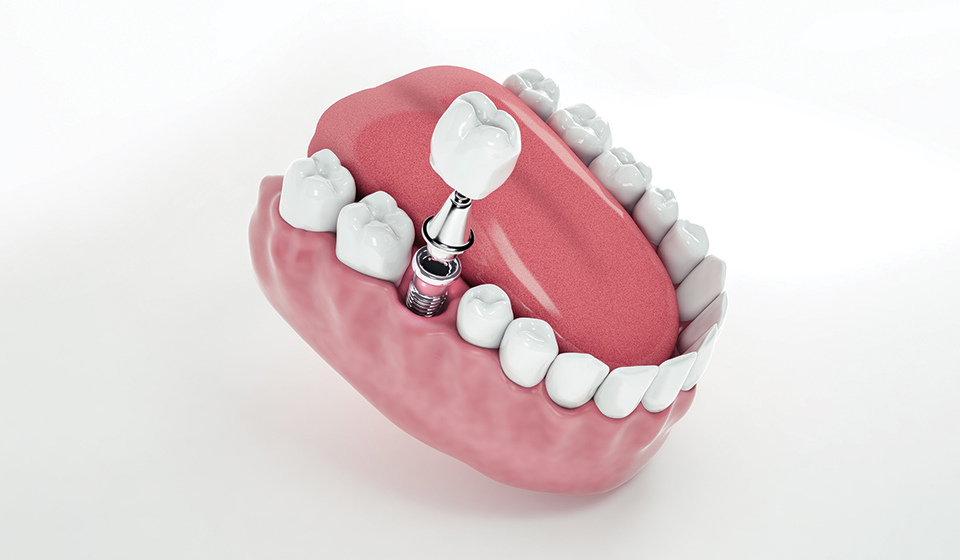
Dental health plays a pivotal role in maintaining overall well-being, and one of the most effective advancements in dental care over the years has been the development of dental implants. Dental implants in Houston have revolutionized the way we approach tooth loss, not only in terms of aesthetics but also in improving long-term comfort and oral health. Unlike traditional dentures or bridges, implants are designed to look, feel, and function like natural teeth. They provide a permanent solution for missing teeth, offering many benefits that improve the quality of life. 

What are dental implants?

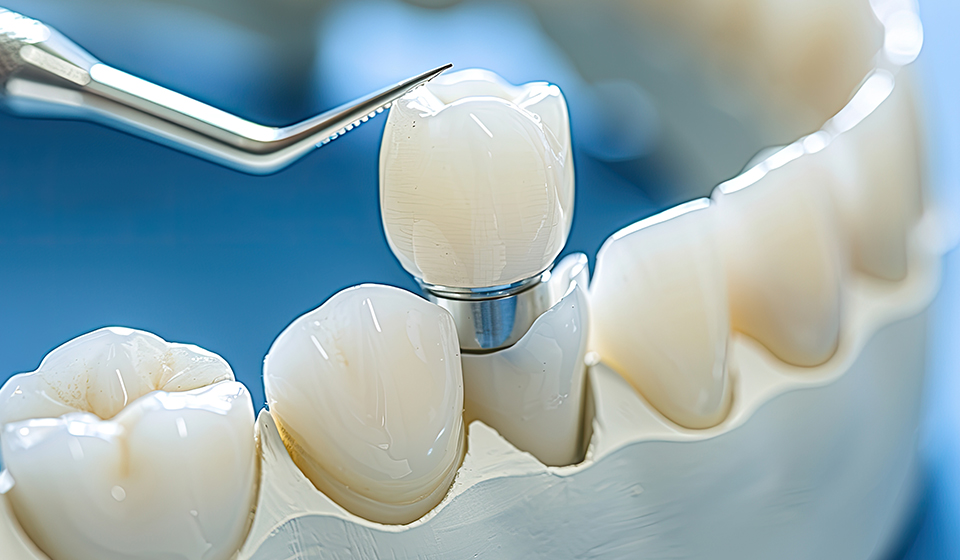
A dental implant is a small titanium post that is surgically placed into the jawbone where a tooth is missing, creating a stable foundation for replacement teeth. Once the implant has successfully fused with the bone, a crown, bridge, or denture can be placed on top, offering a natural and functional replacement for the lost tooth. This unique structure offers several benefits over traditional dental solutions, especially when it comes to comfort and oral health.

How dental implants improve comfort

  • Stability and security: Implants are securely anchored in the jawbone, preventing any shifting or movement like traditional dentures, offering greater comfort while eating, speaking, and smiling.
  • No more gum irritation: Unlike removable dentures, dental implants do not cause rubbing or irritation to the gums, eliminating sores or discomfort.
  • Prevention of jawbone deterioration: Implants provide necessary stimulation to the jawbone, preventing bone loss and maintaining the shape of the face.
  • Improved bite force and function: Implants function like natural teeth, allowing you to bite, chew, and enjoy a wide variety of foods without discomfort.
  • Long-term comfort: Unlike dentures that can lose fit over time, dental implants provide consistent comfort without the need for adjustments.

How dental implants improve oral health

  • Preservation of natural teeth: Implants do not require altering adjacent teeth, preserving their natural structure and alignment.
  • Long-term solution: Implants offer a permanent solution to tooth loss, reducing the need for replacements or repairs, unlike dentures or bridges.
  • Easier oral hygiene maintenance: Implants allow for normal brushing and flossing, making it easier to maintain oral hygiene and reducing the risk of plaque buildup.
  • Reduced risk of gum disease: Since implants are securely placed in the jawbone, they help maintain gum health by preventing irritation, food trapping, and plaque buildup that can occur with dentures.
  • Prevention of further dental issues: By preventing bone loss and keeping the surrounding teeth aligned, implants reduce the risk of misalignment, tooth shifting, and other oral health problems. 

Conclusion

Dental implants represent a significant advancement in dental care, providing an effective and lasting solution for individuals suffering from tooth loss. They improve both comfort and oral health by offering stability, enhancing functionality, and preserving the natural structure of the jawbone. With the ability to mimic the appearance and function of natural teeth, dental implants help prevent bone loss, eliminate discomfort caused by dentures, and contribute to a more confident smile. 

For those considering dental implants, it’s essential to choose a trusted provider with experience in delivering high-quality care. Unident Family Dentistry in Houston is dedicated to offering the best in dental implant services, helping patients restore both the aesthetics and functionality of their smiles. 

Frequently asked questions

How do dental implants improve comfort?

Dental implants are securely anchored in the jawbone, providing stability that prevents shifting or discomfort, a common issue with traditional dentures. They do not rub against the gums, eliminating irritation, and offer the ability to bite and chew naturally without restriction.

Are dental implants permanent?

Yes, dental implants are a long-term solution for missing teeth. With proper care, they can last a lifetime.

Do dental implants help prevent bone loss?

Yes, one of the significant benefits of dental implants is that they stimulate the jawbone, preventing bone loss. This helps preserve the natural shape of the jaw and the surrounding teeth, which can deteriorate without the presence of a tooth root.

Are dental implants better than dentures?

Dental implants are considered a better long-term solution than dentures. They are securely anchored in the jaw, preventing discomfort or shifting, which can happen with dentures.

How do dental implants affect daily life?

Dental implants are designed to feel and function like natural teeth. They allow you to eat, speak, and smile comfortably without worrying about slippage or discomfort, unlike dentures. 
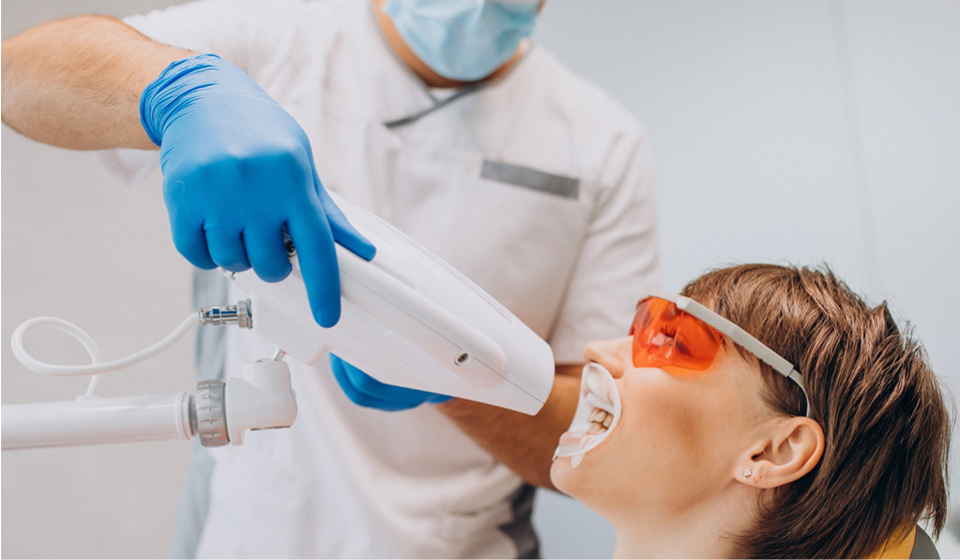
Achieving a brighter, whiter smile can boost confidence and create a more youthful appearance. Many people invest time and money into teeth whitening treatments, only to find that the results fade faster than expected. To enjoy a whiter smile for longer, it is important to understand not only the method used but also the lifestyle choices and maintenance habits that influence the longevity of the results. Knowing the key considerations that help ensure whitening outcomes remain vibrant and long-lasting can make a significant difference in maintaining a radiant smile.

Things to consider for long‑lasting whitening results

Establishing effective daily oral care habits

After a whitening treatment, maintaining daily oral care is essential for long-lasting results. Brushing twice a day and flossing daily removes surface buildup that can dull your smile. Using a soft-bristled or whitening toothpaste helps lift stains gently and effectively. Rinsing with water after meals and drinks also prevents staining and keeps your smile bright.

Diet choices that protect whitening results

The foods and drinks consumed can either support or diminish whitening results. Dark beverages like coffee, tea, soda, and fruit juices can stain enamel, while acidic drinks weaken it, making teeth more prone to discoloration. Strategies such as using a straw, rinsing with water after meals, and moderating stain-causing foods help maintain whiteness. Choosing enamel-friendly foods and beverages supports long-lasting whitening results and overall oral health.

Lifestyle factors that influence whitening longevity

Lifestyle habits play a major role in maintaining whitening results. Smoking and tobacco use can deeply stain enamel, while quitting protects both teeth and overall oral health. Staying hydrated supports saliva flow, which naturally cleanses the mouth and neutralizes acids, preventing stains from setting. 

Additionally, teeth grinding or clenching can wear enamel, making teeth more prone to discoloration. Using a custom mouth guard or consulting a dental professional can help protect enamel and preserve long-lasting whitening results.

Professional follow‑up and maintenance practices

Maintaining long-lasting whitening results requires regular dental checkups and professional cleanings. Even with diligent home care, plaque and tartar can accumulate in hard-to-reach areas, and professional cleaning helps keep teeth smooth and less prone to staining. Regular evaluations allow early detection of dental issues like cavities or gum inflammation, protecting both whitening results and overall oral health.

Common misconceptions about whitening results

Many myths about teeth whitening can lead to unrealistic expectations or poor decisions. Understanding these misconceptions helps set realistic goals and ensures better results.

  • Toothpaste alone cannot maintain professional results: While whitening toothpaste supports regular cleaning, it cannot replace professional treatments or a comprehensive maintenance plan.
  • More frequent treatments do not equal faster results: Excessive whitening can weaken enamel, increase sensitivity, and make teeth more susceptible to staining and decay. Balance and professional guidance are essential.
  • Not all whitening products are equally effective: Products differ in strength, application methods, and outcomes. Knowing how different formulas work helps select the right approach and avoid disappointment.

By clarifying these common myths, it becomes easier to maintain a brighter smile safely and effectively.

Conclusion

Maintaining a bright, long-lasting smile requires more than just completing a teeth whitening treatment. It involves consistent daily oral care, mindful dietary choices, healthy lifestyle habits, and regular professional follow-up. Brushing and flossing effectively and protecting enamel from wear are essential to preserve whitening results. Understanding common misconceptions also helps set realistic expectations and ensures safer, more effective outcomes.

For the best results and personalized guidance, trusting a skilled dental team is essential. At Unident Family Dentistry in Houston, you receive expert evaluations, customized whitening plans, and professional maintenance recommendations designed to keep smiles radiant and healthy for years. By combining professional care with proper daily habits, achieving and maintaining a bright, confident smile becomes a manageable and rewarding goal.

Frequently asked questions

How can daily oral care affect teeth whitening results?

Consistent brushing twice a day and daily flossing remove surface buildup that can dull teeth. Using a soft-bristled or whitening toothpaste and rinsing with water after meals helps maintain a bright, long-lasting smile.

Do frequent whitening treatments improve results faster?

Excessive whitening can weaken enamel, increase sensitivity, and make teeth more vulnerable to staining. Following professional guidance ensures safer and more effective results.

Why are professional follow-ups important after whitening treatments?

Regular dental checkups and professional cleanings remove plaque and tartar in hard-to-reach areas, keeping teeth smooth and less prone to staining. 

Can whitening toothpaste alone maintain professional results?

No. While whitening toothpaste supports daily cleaning, it cannot replace professional treatments or a structured maintenance plan.

Are all whitening products equally effective?

No. Whitening products vary in strength, application methods, and outcomes. Understanding the differences helps select the most suitable approach for safe, long-lasting results.

A bright, confident smile plays a major role in a person’s quality of life. Missing teeth can affect not only how you speak and eat but also how you feel about yourself. A custom dental bridge in Houston is a reliable and time‑tested solution for replacing missing teeth.

Understanding the advantages of a custom dental bridge can help you make an informed choice when exploring tooth replacement options. Whether you are new to dental restorations or weighing your choices, learning how a custom dental bridge works and why it is beneficial gives you a solid foundation to decide on the best path for your smile.

What is a custom dental bridge?

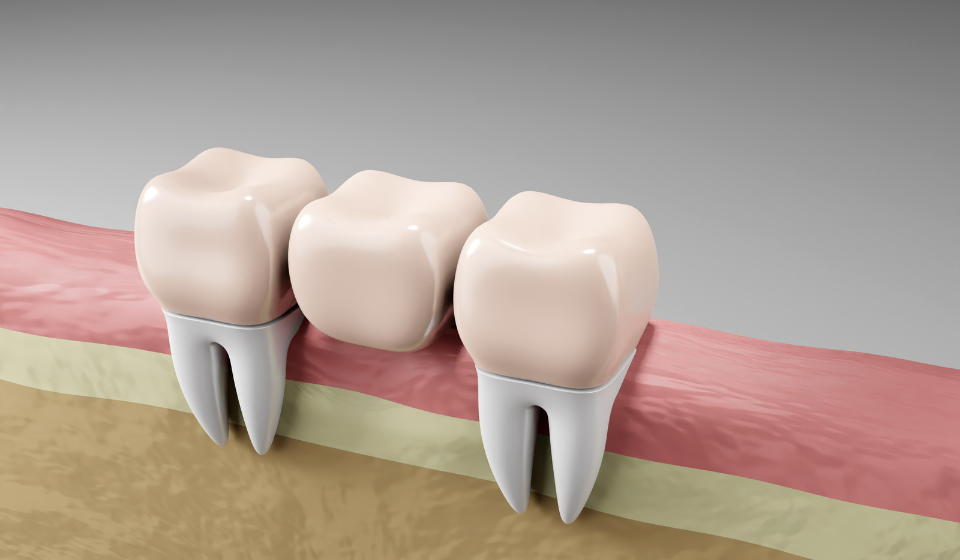
A custom dental bridge is a fixed dental restoration used to replace one or more missing teeth. The bridge consists of two main components. The abutment teeth are the healthy teeth on either side of the gap, and the pontic or pontics are the artificial replacement teeth. Connected together by a customized framework, the bridge literally bridges the space between natural teeth. Unlike removable partial dentures, a custom dental bridge is permanently anchored in place.

Who is a good candidate for a dental bridge?

A custom dental bridge is ideal for many people who have lost one or more teeth. You might be a good candidate if:

  • You have healthy teeth adjacent to the gap that can support a bridge.
  • You want a fixed restoration instead of a removable denture.
  • You have difficulty chewing or speaking due to missing teeth.
  • You want to prevent your remaining teeth from shifting position.

When oral health and bone structure are sufficient, a custom dental bridge remains a reliable method for tooth replacement.

Top benefits of a custom dental bridge

Restores bite function

Missing teeth affect how your upper and lower teeth come together. Without full contact between teeth, chewing becomes less efficient, and you may avoid certain foods. A custom dental bridge restores proper bite alignment, allowing you to chew comfortably and eat a wide variety of foods. Better chewing function supports overall nutrition and helps you enjoy meals without hesitation.

Enhances appearance and confidence

Gaps from missing teeth are often visible when you smile. This can lead to self-conscious behavior and reluctance to participate in social settings. A custom dental bridge fills those gaps with natural-looking artificial teeth. Because the bridge is carefully color-matched and shaped to suit your smile, it looks authentic and attractive. The result is a restored smile that enhances confidence and makes you feel more comfortable in interactions.

Prevents teeth from shifting

Your teeth are designed to support each other. When one or more teeth are missing, neighboring teeth begin to drift into the space. This shifting can lead to bite problems, crowding, and difficulty cleaning between teeth. A custom dental bridge prevents unwanted movement by stabilizing adjacent teeth. This helps maintain proper spacing and protects the long-term alignment of your smile.

Maintains jaw structure

Over time, missing teeth can contribute to bone loss in the jaw. When the jawbone no longer receives stimulation from a tooth root, it begins to shrink. While bridges do not replace the root itself, they help preserve jawbone integrity by maintaining tooth alignment and reducing the stress that can accelerate bone loss. This effect contributes to better oral health and facial structure.

Durable long-term solution

With proper care, custom dental bridges can last many years. Advances in dental materials and techniques make modern bridges stronger and more natural-looking than ever. Regular dental check-ups, good daily hygiene, and healthy habits contribute to the longevity of your bridge. 

Why choose a professional for your custom dental bridge?

Choosing a professional dentist for your custom dental bridge ensures that your restoration is both functional and natural-looking. At Unident Family Dentistry in Houston, our skilled team carefully evaluates your oral health, jaw structure, and the condition of adjacent teeth to determine the best bridge design for your needs. With precise measurements and expert placement, we can create a bridge that fits perfectly, restores bite alignment, and blends seamlessly with your smile. 

Frequently asked questions

How does a dental bridge restore bite function?

A custom dental bridge restores proper bite alignment by filling gaps left by missing teeth, allowing for efficient chewing and the ability to enjoy a variety of foods, which supports overall nutrition and oral health.

Can a dental bridge improve appearance and confidence?

Yes. A dental bridge fills visible gaps with natural-looking artificial teeth that are color-matched and shaped to blend seamlessly with existing teeth, enhancing the smile and boosting self-confidence.

How does a dental bridge prevent teeth from shifting?

Missing teeth can cause neighboring teeth to drift into the space, leading to bite problems and crowding. A dental bridge stabilizes surrounding teeth, maintains proper spacing, and protects long-term alignment.

Does a dental bridge help maintain jaw structure?

While bridges do not replace tooth roots, they help preserve jawbone integrity by maintaining tooth alignment and reducing stress that can contribute to bone loss, supporting overall oral health and facial structure.

How long does a dental bridge last?

With proper care, modern dental bridges can last many years. Regular dental check-ups, good daily oral hygiene, and healthy habits all contribute to the durability and long-term success of the restoration.

A healthy smile plays an important role in both appearance and overall oral health. Teeth are designed to withstand daily pressure from chewing and speaking, but they can still experience damage. Over time, decay, large fillings, grinding, or infection can weaken the natural structure of a tooth. When a tooth loses significant strength, it becomes vulnerable to cracking, breaking, or further decay.

A dental crown is one of the most effective restorative treatments available to rebuild and protect compromised teeth. By fully covering the visible portion of the tooth, a crown restores durability, function, and appearance while preventing additional damage.

What is a dental crown?

A dental crown is a custom-made, tooth-shaped cap that is placed over a prepared tooth. It completely encases the visible portion above the gum line, acting as a protective outer layer. Unlike a dental filling, which repairs only a small portion of the tooth, a crown restores the entire surface. This full coverage design allows the tooth to regain strength and stability.

Dental crowns can be made from several materials, each selected based on location, bite pressure, and aesthetic goals. The goal is to create a restoration that blends seamlessly while providing long-lasting support.

How do dental crowns restore damaged teeth?

Dental crowns provide both structural and functional benefits by fully covering and protecting compromised teeth while restoring their natural performance and appearance.

Enhancing natural appearance

Modern dental materials such as porcelain are carefully selected and customized to match the color, translucency, and contour of surrounding teeth. This ensures the crown blends seamlessly into the smile while restoring both confidence and aesthetics.

Reinforcing tooth strength

When enamel is weakened due to decay, fractures, or large fillings, the tooth becomes vulnerable to pressure from chewing. A crown acts like a protective helmet, absorbing and evenly distributing biting forces to reduce the risk of cracks, splits, or further structural breakdown.

Providing full coverage protection

Since a crown covers the entire visible surface of the tooth, it creates a secure barrier that seals and shields the remaining natural structure from bacteria, food particles, temperature sensitivity, and additional decay. This protection helps extend the lifespan of the treated tooth.

Restoring proper bite function

Damaged teeth can disrupt normal chewing patterns and place extra strain on surrounding teeth and jaw joints. A crown restores the tooth’s correct shape, size, and height, promoting balanced bite alignment, improved chewing efficiency, and greater overall comfort.

Preserving natural tooth structure

Rather than removing the tooth entirely, a crown allows the dentist to retain as much healthy tooth structure as possible. By reinforcing what remains, the crown supports long-term stability while preventing the need for more extensive procedures.

Long-term benefits of dental crowns

Dental crowns are designed to be durable and reliable. With proper care and regular dental visits, they can last many years. Key benefits include:

  • Protection against further structural damage
  • Improved chewing efficiency
  • Reduced tooth sensitivity
  • Enhanced smile aesthetics
  • Prevention of more complex procedures

Maintaining professional cleanings and examinations allows early detection of any wear or minor concerns before they become major issues.

Conclusion

Dental crowns are a trusted and effective solution for restoring damaged teeth by reinforcing strength, providing full-coverage protection, and improving both function and appearance. By preserving natural tooth structure and restoring proper bite alignment, crowns help patients maintain long-term oral health and comfort. With advancements in dental materials, modern crowns deliver durability and aesthetics that closely mimic natural teeth, making them a versatile choice for a range of restorative needs.

Choosing the right dental provider plays an important role in achieving long-lasting results. At Unident Family Dentistry in Houston, you receive personalized restorative care designed to protect and strengthen your smile. The team focuses on detailed treatment planning, high-quality materials, and modern techniques to ensure crowns fit comfortably and function naturally.

Frequently asked questions

Does getting a dental crown hurt?

The procedure is typically performed under local anesthesia, ensuring comfort during treatment. Mild sensitivity may occur afterward but usually resolves within a few days.

Can a crowned tooth still get decay?

Yes, decay can still develop near the gum line if proper oral hygiene is not maintained. Regular brushing, flossing, and professional cleanings help prevent this issue.

What should be avoided after receiving a dental crown?

It is recommended to avoid chewing very hard objects such as ice or hard candy, as excessive pressure can damage the crown.

How long does the dental crown procedure take?

Crown treatment usually requires two visits spaced about one to two weeks apart. The first visit involves tooth preparation and impressions, while the second visit focuses on permanent placement. 

Why Choose Dental Professionals for Crowns?

Dental professionals bring expertise, experience, and precision to every crown restoration. They can accurately assess the extent of tooth damage, select the best materials, and ensure a proper fit.

Tooth loss can affect more than just appearance. It can impact speech, chewing ability, confidence, and overall oral health. Fortunately, modern dentistry offers several effective solutions for replacing missing teeth. Among them, dentures in Houston continue to be one of the most popular and reliable options for patients of all ages.

Whether tooth loss occurs due to aging, decay, gum disease, or injury, dentures provide a practical and affordable way to restore function and appearance.

What are dentures?

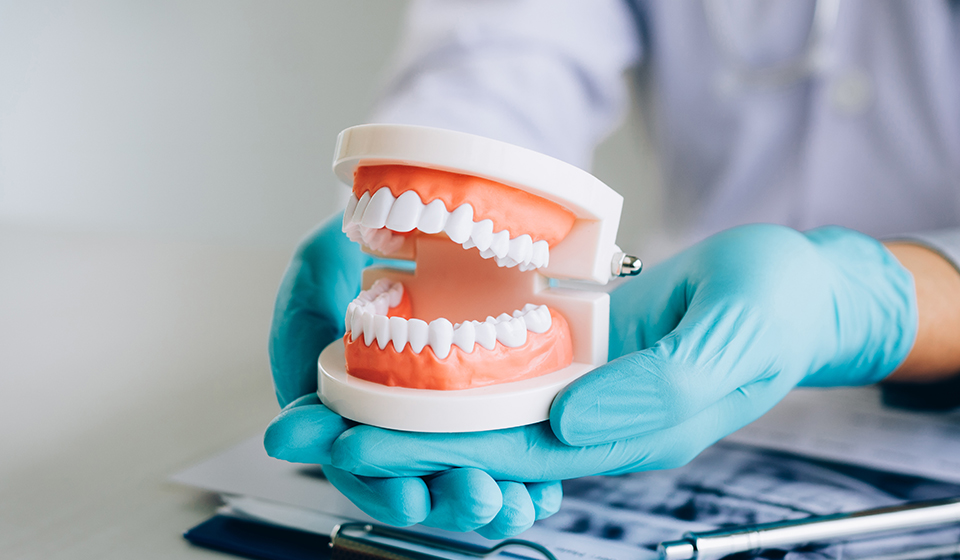
Dentures are custom-made dental appliances designed to replace missing teeth and surrounding tissue. They are created to fit comfortably in the mouth while restoring the natural look of a smile.

There are two main types of dentures:

  • Full dentures: Full dentures replace all teeth in the upper or lower arch.
  • Partial dentures: Partial dentures replace several missing teeth while preserving the remaining natural teeth.

Modern dentures are crafted using advanced dental materials and technology that significantly improve their durability, comfort, and natural appearance. These materials are designed to mimic the translucency and texture of natural gums and teeth, creating a more realistic smile.

Factors that make dentures a popular tooth replacement

Cost-effective tooth replacement option

One of the primary reasons dentures are so popular is affordability. Compared to dental implants or fixed bridges, dentures typically require a lower initial investment. This makes them accessible to patients who need full mouth restoration but are working within a budget.

For individuals seeking a reliable and cost-effective tooth replacement option, dentures offer a practical solution without compromising everyday function. They are designed to restore the ability to chew, speak clearly, and maintain proper facial structure, all while being more affordable than many other restorative treatments. 

Restores appearance and confidence

Missing teeth can lead to loss of facial volume, a sunken appearance, and premature aging due to the lack of support for facial muscles. Dentures help restore that support by maintaining proper facial structure and improving overall balance in the face. This added support can reduce the appearance of wrinkles around the mouth and create a fuller, more youthful look.

Modern dentures are carefully crafted to replicate the natural shape, size, and shade of real teeth. Designed with attention to facial proportions and symmetry, they complement individual features rather than appearing artificial. When professionally fitted, dentures blend naturally with the smile, allowing patients to feel more confident in social and professional settings.

Improves chewing and speech

Tooth loss can interfere with the ability to break down food properly and pronounce words with clarity. Dentures help restore biting strength and chewing efficiency, allowing for a more balanced diet and greater comfort during meals. Improved chewing function also supports better digestion and overall health.

Dentures play an important role in speech by filling spaces left by missing teeth. These gaps can affect tongue placement and airflow, leading to unclear pronunciation or difficulty forming certain sounds. With a proper fit and adjustment period, dentures help to improve speech clarity and restore more natural communication.

Non-surgical treatment option

Dentures provide a reliable tooth replacement solution without the need for surgical procedures. Unlike dental implants, this treatment does not involve placing posts into the jawbone, making it a suitable choice for individuals who prefer a less complex approach. It is also a practical option for patients who may not qualify for implant surgery due to certain medical conditions, reduced bone density, or other health considerations.

The process of receiving dentures typically includes detailed impressions, careful measurements, and multiple fittings to achieve proper alignment and comfort. Adjustments are made as needed to ensure stability, balanced bite function, and a secure fit that supports daily activities such as eating and speaking.

Customizable and versatile

Dentures offer a high level of customization to meet individual functional and aesthetic needs. Dental professionals carefully design them to match the natural shade, shape, and contour of existing teeth and gum tissue, creating a balanced and realistic appearance. Each set is crafted based on detailed impressions and measurements to ensure proper fit and overall comfort. 

Partial dentures provide additional versatility by replacing only the missing teeth while preserving the remaining natural teeth. They help prevent neighboring teeth from shifting into empty spaces, which can lead to bite problems and misalignment. By maintaining proper spacing and structural balance, partial dentures contribute to long-term oral stability and improved function.

Why choose professionals for dentures?

Choosing an experienced dental professional is essential for achieving comfortable, natural-looking, and long-lasting dentures. Proper denture treatment involves more than simply replacing missing teeth. It requires detailed evaluation of oral health, jaw alignment, gum condition, and facial structure to ensure the final result looks balanced and functions correctly.

Working with a trusted provider such as Unident Family Dentistry in Houston ensures personalized care and high-quality materials designed for durability and aesthetics. Our expertise in restorative dentistry allows you to receive customized denture solutions that restore both function and confidence. Our professional guidance also includes ongoing support, maintenance recommendations, and timely adjustments to extend the lifespan of the dentures and protect overall oral health.

Conclusion

Dentures remain one of the most dependable and accessible solutions for replacing missing teeth. They restore essential functions such as chewing and speaking while also supporting facial structure and enhancing overall appearance. With advancements in dental materials and technology, modern dentures provide improved durability, comfort, and a more natural look than ever before.

As a cost-effective and non-surgical option, dentures are suitable for a wide range of patients experiencing partial or complete tooth loss. Their customizable design allows for a personalized fit that promotes stability, oral balance, and long-term function. With professional guidance and regular maintenance, dentures can successfully restore confidence, comfort, and quality of life for years to come.

Frequently asked questions

Are dentures comfortable to wear?

Modern dentures are designed for improved comfort and stability. An adjustment period is normal, but professionally fitted dentures should not cause ongoing pain.

Can dentures improve speech?

Yes. Dentures help fill gaps left by missing teeth, which supports proper tongue placement and airflow. This often improves pronunciation and overall speech clarity after an initial adjustment period.

Are dentures a good alternative to dental implants?

Dentures are an excellent non-surgical option for tooth replacement. They are more affordable than implants and suitable for individuals who may not qualify for surgical procedures.

Do dentures require special care?

Dentures should be cleaned daily to remove plaque and food particles. Regular dental visits are also important to monitor fit, oral health, and overall function.

Who is a good candidate for dentures?

Dentures are suitable for individuals experiencing multiple missing teeth or complete tooth loss due to aging, decay, gum disease, or injury. A dental evaluation determines the most appropriate treatment plan.

Why choose a professional provider for dentures?

Professional care ensures precise measurements, proper bite alignment, and high-quality materials for long-lasting results. Experienced providers offer customized denture solutions along with ongoing support and adjustments to maintain comfort and function.

Teeth whitening is one of the most popular cosmetic dental treatments for achieving a brighter, more confident smile. Whether performed in-office or with professional take-home kits, whitening treatments can effectively remove stains and discoloration. However, temporary tooth sensitivity is a common side effect.

Sensitivity after teeth whitening typically occurs because the whitening agents penetrate the enamel to break down stains, temporarily exposing the dentin layer beneath. This can lead to short-lived discomfort when consuming hot, cold, or sweet foods and beverages. The good news is that this sensitivity is usually mild and manageable.

How to manage sensitivity after teeth whitening

Use a desensitizing toothpaste

Switching to a toothpaste formulated for sensitive teeth can significantly reduce discomfort. These toothpastes contain ingredients that help block pain signals from reaching the nerves inside the teeth.

For best results:

  • Use the toothpaste consistently for several days after whitening
  • Brush gently using a soft-bristle toothbrush
  • Avoid aggressive scrubbing, which can worsen sensitivity

Desensitizing toothpaste can also be used before future whitening treatments as a preventive measure.

Avoid extremely hot or cold foods and drinks

After whitening, teeth may be more reactive to temperature changes. Limiting exposure to very hot coffee, iced beverages, soups, or frozen desserts can help prevent triggering discomfort.

Instead, choose:

  • Room temperature water
  • Lukewarm beverages
  • Mild foods that are not overly hot or cold

This simple adjustment can make a noticeable difference during the first 24 to 48 hours following treatment.

Stay away from acidic and sugary foods

After teeth whitening, enamel can become temporarily more porous, making teeth more vulnerable to irritation. Acidic and sugary foods can aggravate sensitivity and weaken enamel during this recovery period. Items such as citrus fruits, carbonated beverages, sports drinks, tomato-based sauces, and processed sweets may intensify discomfort and prolong sensitivity.

Choosing a balanced diet that supports enamel health can make a noticeable difference. Focus on mild, non-acidic foods such as lean proteins, whole grains, vegetables, and dairy products, which provide essential nutrients like calcium. Drinking plenty of water also helps neutralize acids and maintain a healthy oral environment. 

Take a break between whitening sessions

Overusing whitening products can increase enamel irritation and tooth sensitivity. Following professional recommendations regarding the frequency and duration of treatments is essential to protect enamel and maintain oral health. Excessive or closely spaced whitening sessions may weaken enamel temporarily and prolong discomfort.

If sensitivity develops, allow teeth sufficient time to recover before resuming treatment. Most post-whitening sensitivity improves within a few days as the enamel rehydrates and stabilizes. Spacing out whitening sessions not only reduces the risk of irritation but also supports safer, more consistent, and longer-lasting results.

Consult a dental professional if sensitivity persists

Mild sensitivity after whitening is normal and temporary, often resolving as the teeth naturally rehydrate and enamel regains balance. However, if discomfort is severe, interferes with eating or drinking, or lasts longer than a few days, professional evaluation may be necessary. Prolonged sensitivity can sometimes signal underlying enamel weakness or other dental concerns that require attention.

A dental provider can:

  • Assess enamel health: The dentist will examine the strength and condition of the enamel to determine whether thinning, wear, or erosion is contributing to heightened sensitivity.
  • Suggest alternative whitening methods: If sensitivity is significant, a gentler whitening approach or adjusted treatment schedule may be recommended to achieve results more comfortably.
  • Identify underlying issues such as cavities or gum recession: Hidden decay, small cracks, exposed roots, or receding gums can increase sensitivity and may need treatment before continuing any whitening procedure.

Professional guidance ensures that whitening treatments are carefully monitored to minimize sensitivity, protect enamel integrity, and deliver consistent, long-lasting results. Choosing an experienced provider such as Unident Family Dentistry in Houston helps ensure that teeth whitening is performed with precision and patient comfort in mind. With professional oversight and personalized care, patients can achieve a brighter smile while maintaining strong enamel and supporting long-term oral health.

Final thoughts

Sensitivity after teeth whitening can be uncomfortable, but it is typically temporary and manageable with the right approach. Simple adjustments such as using desensitizing toothpaste, avoiding extreme temperatures, limiting acidic and sugary foods, and spacing out whitening sessions can significantly reduce discomfort while allowing enamel to recover properly.

If sensitivity persists or concerns arise, seeking professional evaluation ensures that any underlying issues are addressed promptly. With proper care and guidance, teeth whitening can remain a safe, effective, and confidence-boosting cosmetic solution that supports long term oral health.

Frequently asked questions

Is tooth sensitivity after whitening normal?

Yes, temporary sensitivity is a common side effect of whitening treatments. It occurs because the whitening agents penetrate the enamel to remove stains, temporarily exposing the dentin layer.

What helps reduce sensitivity quickly?

Using a desensitizing toothpaste, avoiding very hot or cold foods and drinks, and limiting acidic or sugary items can help minimize discomfort. 

Should whitening be stopped if sensitivity occurs?

If sensitivity becomes uncomfortable, it is advisable to pause treatment and allow the teeth time to recover. Spacing out sessions can help protect enamel and reduce irritation.

Can whitening damage enamel?

When performed according to professional guidelines, whitening treatments are considered safe and do not permanently damage enamel. 

When should a dentist be consulted about sensitivity?

Professional evaluation is recommended if sensitivity is severe, worsens over time, or lasts longer than a few days. Persistent discomfort may indicate enamel wear, cavities, or gum recession that requires attention.

Most people know dental visits are important, but many are unsure how often they should actually go. Preventive dental care is not just about clean teeth—it is about stopping problems before they become painful and expensive. Regular checkups are the foundation of long-term oral health and early detection. Preventive dentistry in Houston focuses on structured visit schedules that match each patient’s risk level and lifestyle. Instead of guessing, modern preventive care uses clinical indicators to guide frequency. The right schedule keeps your teeth stronger, your gums healthier, and your treatment costs lower. Understanding visit timing helps you stay ahead instead of catching up.

What Preventive Dentistry Really Includes

Preventive dentistry is a systematic approach to protecting teeth and gums before disease develops. It combines professional monitoring with home-care habits and targeted treatments. From an analytical perspective, prevention works by interrupting disease cycles early—before structural damage occurs.

Preventive dentistry typically includes:

  • Comprehensive dental exams
  • Professional cleanings
  • Digital X-rays when needed
  • Gum health measurements
  • Oral cancer screenings
  • Fluoride or sealant treatments
  • Bite and wear analysis

Preventive dentistry programs in Houston often personalize these components based on age, medical history, and oral risk factors.

The Standard Preventive Dentistry Visit Interval

Preventive Dentistry Every Six Months: The Baseline Rule

The traditional recommendation is a dental visit every six months. This interval is not random—it is based on how plaque matures, how tartar forms, and how gum inflammation progresses. Clinical studies show that harmful bacterial colonies can establish destructive patterns within months if left undisturbed.

For average-risk patients, twice-yearly visits allow dentists to:

  • Remove hardened tartar
  • Detect early cavities
  • Identify gum inflammation
  • Monitor bite wear
  • Catch small issues before escalation

Six months is the baseline, but not the universal rule.

When Preventive Dentistry Visits Should Be More Frequent

High-Risk Patients Need Tighter Preventive Dentistry Schedules

Some patients benefit from more frequent preventive visits—often every 3–4 months. This is based on measurable risk indicators, not sales pressure. Higher visit frequency disrupts bacterial regrowth cycles more often.

You may need more frequent preventive dentistry visits if you have:

  • Gum disease history
  • Frequent cavities
  • Diabetes
  • Dry mouth conditions
  • Heavy plaque buildup
  • Smoking habits
  • Orthodontic appliances
  • Dental implants
  • Reduced immune response

Shorter intervals significantly reduce complication rates in these groups.

What Happens During a Preventive Dentistry Visit

Preventive Dentistry Appointment Breakdown

Understanding what occurs during preventive visits helps patients see the value beyond “just a cleaning.” Each component has a diagnostic purpose.

A preventive dentistry visit usually includes:

  • Medical history update
  • Gum pocket measurements
  • Plaque and tartar removal
  • Tooth surface polishing
  • Cavity detection
  • Restoration checks
  • Soft tissue screening
  • Bite evaluation

Each step generates clinical data used to adjust your care plan.

Preventive Dentistry for Children and Teens

Growth-Phase Preventive Dentistry

Children and teens require structured preventive dentistry because their teeth and jaws are still developing. Monitoring eruption patterns and enamel strength is critical.

Youth preventive care often includes:

  • Sealant placement
  • Fluoride strengthening
  • Eruption tracking
  • Orthodontic screening
  • Hygiene coaching

Early preventive patterns strongly predict adult oral health outcomes.

Preventive Dentistry for Adults

Adult Preventive Dentistry Focus Areas

Adult preventive dentistry shifts toward wear management, gum stability, and restoration monitoring. Lifestyle factors become more influential.

Adult preventive priorities include:

  • Gum recession tracking
  • Filling and crown evaluation
  • Bite stress monitoring
  • Grinding damage detection
  • Oral cancer screening

These checks are essential even when teeth feel “fine.”

Preventive Dentistry for Seniors

Age-Related Preventive Dentistry Needs

Senior patients often experience dry mouth, medication effects, and root exposure. Preventive dentistry adapts to these biological changes.

Senior-focused preventive measures include:

  • Root cavity monitoring
  • Denture and implant checks
  • Saliva function evaluation
  • Soft tissue screening

Visit frequency may increase with medical complexity.

The Financial Advantage of Preventive Dentistry

Prevention Costs Less Than Repair

From an analytical standpoint, preventive dentistry has one of the highest returns on healthcare investment. Early detection dramatically reduces treatment complexity and cost.

Prevention reduces likelihood of:

  • Root canals
  • Tooth extractions
  • Gum surgery
  • Implant replacement
  • Emergency visits

Routine preventive visits cost far less than restorative procedures.

Signs You Should Schedule Preventive Dentistry Sooner

Don’t Wait for Pain Signals

Pain is a late-stage symptom in dentistry. Preventive care should be scheduled before discomfort appears.

Book a preventive dentistry visit sooner if you notice:

  • Bleeding gums
  • Tooth sensitivity
  • Persistent bad breath
  • Food trapping
  • Jaw soreness
  • Visible stains near gums

Early action prevents escalation.

Final Thoughts

Preventive dental visit frequency should be personalized, data-driven, and proactive. While the six-month model works for many patients, risk-based scheduling produces better long-term outcomes. Patients who participate in structured preventive care experience fewer emergencies, lower lifetime dental costs, and more stable oral health. Preventive dentistry in Houston is most effective when it is consistent, customized, and clinically monitored. At Unident Family Dentistry in Houston, our experienced team delivers preventive dentistry with analytical precision and patient-focused care, helping you stay ahead of dental problems instead of reacting to them.

Getting dentures for the first time is a big step toward restoring your smile, comfort, and daily function. Many patients feel a mix of curiosity and uncertainty before starting the process. Modern dentures are more advanced, more natural-looking, and more comfortable than ever before. If you are considering dentures in Houston, understanding the full journey helps remove fear and replace it with confidence. The denture process today is structured, personalized, and clinically precise. With the right dental team, the transition becomes smoother and more predictable. Knowing what happens at each stage allows you to prepare both physically and mentally.

Understanding Dentures and Their Purpose

Dentures are custom-made dental prosthetics designed to replace missing teeth and surrounding tissues. They restore essential functions like chewing and speaking while also supporting facial structure. From an analytical standpoint, dentures are not just cosmetic devices—they are functional restorations that rebalance bite forces and oral mechanics.

Dentures may be recommended when:

  • Multiple teeth are missing
  • Full tooth loss has occurred.
  • Remaining teeth cannot be predictably restored
  • Severe wear has reduced chewing efficiency.
  • Structural support for lips and cheeks is reduced

Patients exploring dentures in Houston often discover that modern materials and digital techniques have significantly improved outcomes compared to older denture models.

Types of Dentures You Choose From

Full Dentures

Full dentures replace all teeth in the upper jaw, lower jaw, or both. They sit on the gum tissue and are carefully shaped to distribute pressure evenly.

Partial Dentures

Partial dentures are used when some healthy natural teeth remain. They anchor around existing teeth and fill the gaps.

Immediate Dentures

Immediate dentures are placed right after tooth removal so patients are never without teeth during healing.

Implant-Supported Dentures

These dentures attach to dental implants for greater stability and chewing power.

Each denture type is selected based on clinical measurements, bone support, and patient goals, not guesswork.

The First Dentures Consultation and Evaluation

Dentures Assessment and Oral Measurements

Your first appointment focuses on examination and data collection. Dentists evaluate gum health, jawbone structure, bite relationships, and facial symmetry. This analytical foundation is critical because dentures must function in harmony with muscles, joints, and soft tissues.

During the evaluation phase, your dentist will review:

  • Jaw alignment
  • Gum condition
  • Bone ridge shape
  • Bite force patterns
  • Facial proportions
  • Speech considerations

Diagnostic impressions or digital scans are taken to begin the customization process.

Denture Impressions and Custom Design

How Dentures Are Precisely Created

Accurate impressions are the backbone of well-fitting dentures. These molds capture detailed anatomical landmarks that guide laboratory fabrication. Today, many practices use digital scanning to enhance precision.

Design factors include:

  • Tooth size proportional to your face
  • Natural gum contour replication
  • Smile line alignment
  • Bite balance
  • Lip support positioning

This stage ensures dentures look like they belong in your mouth—not like removable appliances.

The Dentures Try-In Appointment

Testing Before Final Dentures Delivery

Before final dentures are produced, patients typically receive a wax or prototype try-in. This preview allows evaluation of appearance and function before permanent fabrication.

During try-in, dentists check:

  • Tooth shade and shape
  • Smile symmetry
  • Speech clarity
  • Bite comfort
  • Jaw movement balance

Adjustments are made based on real feedback, not assumptions. This quality-control step dramatically improves final satisfaction.

What It Feels Like When You First Wear Dentures

Initial Denture Sensations Are Normal

First-time denture wearers often notice new sensations. This is expected because your mouth is adapting to a new structure. Muscles and nerves need time to recalibrate.

Common early experiences include:

  • Feeling of fullness
  • Increased saliva flow
  • Minor pressure spots
  • Slight speech changes
  • Mild chewing awkwardness

These effects typically improve within days to weeks as neuromuscular adaptation occurs.

Eating With New Dentures

Dentures Chewing Adaptation Strategy

Chewing with dentures is different from chewing with natural teeth because force distribution changes. Dentists recommend a staged food progression during adaptation.

Start with:

  • Soft foods
  • Small bites
  • Even chewing on both sides
  • Slow eating pace

Good starter foods include:

  • Yogurt
  • Scrambled eggs
  • Cooked vegetables
  • Soft fish
  • Oatmeal
  • Pasta

Avoid hard or sticky foods initially while your bite coordination develops.

Speaking With Dentures

Dentures and Speech Adjustment

Speech patterns may feel slightly different at first because dentures change tongue contact surfaces. Most patients adapt quickly with simple exercises.

Helpful speech adaptation tips:

  • Read aloud daily
  • Practice difficult words
  • Speak slowly at first
  • Repeat sound combinations

Within a short period, pronunciation typically returns to normal.

Denture Care and Maintenance

Protecting Your Dentures Investment

Dentures require daily maintenance to ensure hygiene and longevity. Proper care also protects oral tissues from irritation and infection.

Daily denture care checklist:

  • Remove and rinse after meals
  • Brush with denture cleanser
  • Soak overnight when recommended
  • Clean gums and tongue
  • Store safely when not worn

Routine dental visits remain essential even with full dentures.

Benefits of Dentures

Dentures Restore More Than Teeth

First-time denture patients often report emotional benefits alongside physical ones. Restored smiles support social confidence and personal comfort.

Patients commonly experience:

  • Improved self-esteem
  • Easier social interaction
  • Better nutrition
  • Clearer speech
  • Facial fullness restoration

Dentures are both a medical and lifestyle upgrade.

Final Thoughts

Getting dentures for the first time is a structured clinical journey, not a single event. From measurement to try-in to adaptation, each stage is designed to maximize comfort, function, and appearance. Patients seeking dentures in Houston benefit most when treatment is customized, monitored, and refined with professional precision. With modern materials and analytical design methods, today’s dentures look more natural and perform more reliably than ever before. At Unident Family Dentistry in Houston, our experienced dental team delivers patient-centered denture care focused on comfort, accuracy, and confident results, helping you move forward with a fully restored smile.

A bright smile is one of the first things people notice, but deep tooth stains can make even healthy teeth look dull and aged. Not all discoloration responds to store-bought products or home remedies. Deep stains require stronger, science-backed solutions delivered under professional supervision. Teeth Whitening in Houston has become one of the most effective options for patients who want real, visible change instead of temporary improvement. Professional whitening uses advanced formulas and controlled techniques to lift stubborn discoloration safely. With the right approach, even long-standing stains can be dramatically reduced. Understanding how this process works helps you make a confident and informed decision.

Understanding Deep Tooth Stains and Teeth Whitening

Deep stains are different from surface stains. Surface stains sit on the outer enamel and often come from coffee, tea, wine, or smoking. These may respond to whitening toothpaste or strips. Deep stains, however, are embedded within the enamel or dentin layer and require professional teeth whitening methods to break them down.

Deep discoloration typically develops due to:

  • Long-term tobacco use
  • Heavy coffee, tea, or red wine consumption
  • Certain medications
  • Aging enamel thinning
  • Old dental trauma
  • Excess fluoride exposure during tooth development

Because these stains penetrate below the surface, they cannot be fully removed with low-strength whitening agents.

Why Store Products Fail on Deep Stains

Teeth Whitening Strength Matters

Over-the-counter whitening kits are designed for safety across the general population. That means their active ingredient levels are intentionally limited. While they may slightly improve mild yellowing, they usually cannot reach deep stain molecules inside the tooth.

Common limitations of store products include:

  • Low peroxide concentration
  • Short contact time with teeth
  • Poor tray fit causing uneven results
  • Increased sensitivity without strong results
  • Repeated use with minimal change

Professional teeth whitening systems are designed differently. They combine higher-strength whitening agents with protective protocols that keep your teeth and gums safe.

How Professional Teeth Whitening Breaks Down Deep Stains

The Chemistry Behind Teeth Whitening

Professional teeth whitening works through oxidation. Whitening gels contain peroxide compounds that release oxygen molecules. These molecules penetrate enamel and dentin, breaking apart stain compounds at a microscopic level. Once broken down, the stains reflect less light — and teeth appear brighter.

What makes professional treatment more effective:

  • Higher concentration whitening gel
  • Controlled isolation of gums
  • Longer active treatment cycles
  • Light or heat activation when appropriate
  • Real-time shade monitoring

This analytical, layered approach is what allows professional teeth whitening to target deep discoloration rather than just surface staining.

Types of Professional Teeth Whitening for Deep Stains

In-Office Teeth Whitening Treatments

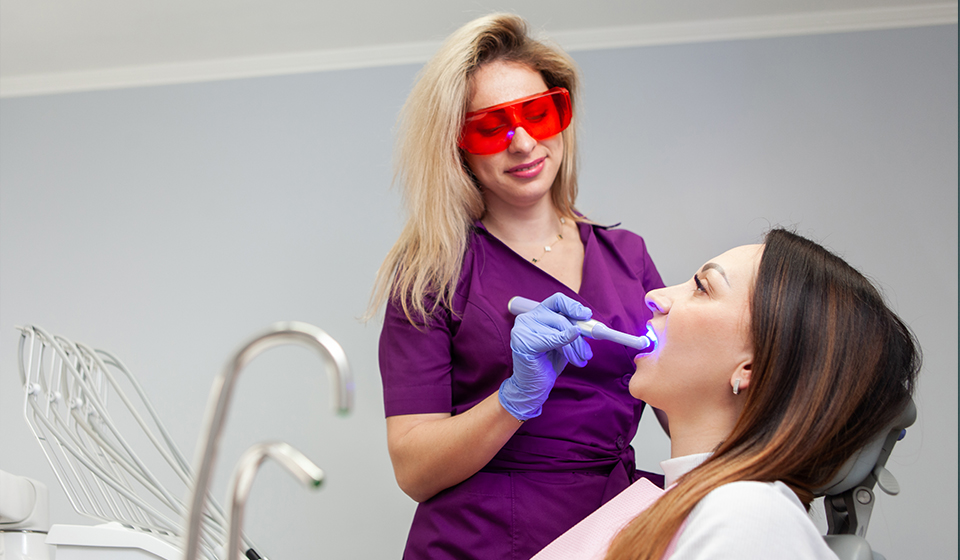
In-office teeth whitening is the fastest and most powerful option for deep stains. Treatment is completed in a single visit or a short series of visits. Dentists apply a professional-grade gel and may use a specialized light to accelerate stain breakdown.

Benefits include:

  • Rapid shade improvement
  • Even whitening across all visible teeth
  • Reduced risk of gum irritation
  • Immediate visible results
  • Custom strength adjustment based on stain severity

Patients with deep stains often see multiple-shade improvement in one appointment.

Custom Take-Home Teeth Whitening Systems

For some deep stains, dentists recommend professional take-home kits with custom trays. These are different from store kits because they are precisely molded to your teeth and use stronger whitening formulas.

Advantages of custom tray whitening:

  • Even gel distribution
  • Better tooth contact
  • Reduced gel leakage
  • Gradual, controlled brightening
  • Ideal for layered stain removal

This method is often used after in-office teeth whitening to enhance and stabilize results.

Teeth Whitening Evaluation Before Treatment

Analytical Shade and Stain Assessment

Deep stains are not all the same. A proper evaluation determines the stain type, depth, and cause before selecting a whitening strategy. This analytical step improves predictability and reduces trial-and-error treatment.

Dentists examine:

  • Enamel thickness
  • Existing restorations
  • Stain color (yellow, brown, gray, blue)
  • Sensitivity risk
  • Gum health
  • Bite patterns

Some deep gray or medication-related stains may require combined cosmetic approaches, but many respond well to staged professional teeth whitening.

Managing Sensitivity During Teeth Whitening

Modern Teeth Whitening Comfort Protocols

One reason people hesitate is fear of sensitivity. Modern professional teeth whitening includes built-in safeguards that significantly reduce discomfort.

Sensitivity control methods include:

  • Pre-treatment desensitizing gels
  • Gum barrier protection
  • Adjusted peroxide strength
  • Shorter treatment intervals
  • Post-whitening mineral treatments

Most patients experience only mild, temporary sensitivity — far less than expected.

Habits That Affect Teeth Whitening Results

Protecting Your Whitening Investment

Deep stains often develop from long-term habits. After professional teeth whitening, behavior plays a major role in maintaining results.

To extend whitening effects:

  • Limit dark beverages for 48 hours after treatment
  • Use a straw for staining drinks
  • Rinse after coffee or tea
  • Avoid smoking
  • Maintain regular cleanings
  • Use dentist-recommended maintenance products

Whitening is not just a procedure — it is part of a broader smile maintenance strategy.

Who Is a Strong Candidate for Professional Teeth Whitening

When Teeth Whitening Works Best

Professional teeth whitening is effective for most healthy adults and many teens, but candidacy depends on oral condition and stain source.

Strong candidates typically have:

  • Natural teeth without large visible fillings
  • Yellow or brown deep stains
  • Healthy gums
  • No active decay
  • Realistic shade expectations

Patients with crowns or veneers may need shade-matching strategies instead of whitening on those teeth.

The Value of Supervised Teeth Whitening

Professional whitening is not just stronger — it is smarter. Treatment is adjusted based on tooth response, stain resistance, and patient comfort. That clinical oversight reduces risk while maximizing visible improvement.

Compared with unsupervised whitening, professional care offers:

  • Customized protocols
  • Real-time monitoring
  • Predictable outcomes
  • Lower complication risk
  • Better shade consistency

For deep stains, supervision is often the difference between disappointment and dramatic improvement.

Final Thoughts on Removing Deep Stains with Teeth Whitening

Deep tooth stains require more than generic solutions — they require professional analysis, stronger whitening science, and carefully managed treatment. With modern clinical systems, stubborn discoloration that once seemed permanent can now be significantly reduced. Patients who pursue Teeth Whitening in Houston through professional care benefit from safer chemistry, better technology, and customized treatment design. At Unident Family Dentistry in Houston, our experienced team delivers results-driven teeth whitening with precision, comfort, and a patient-first mindset — helping you move from stained to stunning with confidence.

A confident smile has the power to change how you feel about yourself and how others perceive you. Cosmetic dentistry focuses on improving the appearance of teeth while supporting overall oral health and function. Many people exploring cosmetic dentistry in Houston want to understand what truly changes before and after treatment, not just visually but emotionally as well. Modern cosmetic procedures are designed to be comfortable, effective, and tailored to individual needs. With advancements in technology and materials, results today look more natural than ever. When patients feel informed and supported, cosmetic dentistry becomes a rewarding and empowering journey.

Understanding Cosmetic Dentistry

Cosmetic dentistry is not only about aesthetics; it also addresses balance, proportion, and harmony within the smile. From an analytical perspective, the goal is to enhance natural features rather than create an artificial look. Treatments are planned based on facial structure, tooth alignment, color, and gum health.

Before any procedure begins, dentists carefully evaluate the current condition of the teeth and gums. This ensures that cosmetic improvements are built on a healthy foundation, leading to results that last and feel comfortable in everyday life.

The Before Phase: Preparing for Cosmetic Dentistry

The “before” experience is a critical part of cosmetic dentistry. This phase focuses on assessment, planning, and patient education. It sets realistic expectations and ensures that the final outcome aligns with the patient’s goals.

Initial Consultation and Smile Analysis

During the consultation, dentists analyze factors such as tooth shape, spacing, alignment, and discoloration. Digital imaging and photographs may be used to visualize potential changes. From an analytical standpoint, this step minimizes guesswork and improves predictability.

Patients are encouraged to share concerns and preferences openly. Clear communication at this stage helps create a personalized treatment plan that feels intentional rather than generic.

Oral Health Preparation

Cosmetic dentistry works best when underlying dental issues are addressed first. This may include treating cavities, gum concerns, or bite issues before aesthetic procedures begin.

Preparing the mouth properly helps ensure that cosmetic results are not only beautiful but also functional and sustainable.

Common Cosmetic Dentistry Procedures Explained

Cosmetic dentistry includes a range of treatments designed to address different concerns. Each procedure contributes uniquely to the overall before-and-after transformation.

  • Teeth Whitening: Professional whitening brightens stained or discolored teeth, often producing noticeable results quickly. It enhances the overall appearance of the smile and is frequently used as a starting point for cosmetic treatments.
  • Dental Veneers: Veneers are thin shells placed over the front of teeth to improve shape, color, and alignment. They are highly customizable and provide dramatic improvements with a natural finish.
  • Cosmetic Bonding: Bonding uses tooth-colored resin to repair chips, gaps, or uneven edges. From an analytical view, it is a conservative option that preserves natural tooth structure while enhancing appearance.
  • Smile Makeovers: A smile makeover combines multiple cosmetic dentistry procedures into a comprehensive plan. This approach ensures balance and consistency across the entire smile rather than focusing on isolated teeth.

The After Phase: Experiencing the Transformation

The “after” experience extends beyond the mirror. While visual improvements are immediately noticeable, many patients describe deeper changes in confidence and comfort.

After cosmetic dentistry, patients often report:

  • Increased confidence when smiling or speaking
  • Improved comfort when chewing or biting
  • Greater motivation to maintain oral hygiene
  • Positive emotional and social impact

From an analytical perspective, these outcomes highlight how cosmetic dentistry influences both physical and psychological well-being.

Long-Term Care After Cosmetic Dentistry

Maintaining results is a key part of the after-experience. Cosmetic dentistry outcomes last longer when paired with consistent care and healthy habits.

Helpful maintenance practices include:

  • Brushing and flossing daily
  • Avoiding excessive staining foods and drinks
  • Wearing protective appliances if recommended
  • Scheduling regular dental checkups

Analytically, maintenance protects both the aesthetic and functional investment made through cosmetic dentistry.

Cosmetic Dentistry: What Makes the Experience Unique

Patients seeking cosmetic dentistry in Houston often value a blend of advanced technology, personalized care, and clear communication. The experience is shaped by how well dentists understand individual goals and translate them into practical treatment plans.

Cosmetic dentistry thrives when patients feel involved and informed throughout the process. Transparency and education turn procedures into collaborative experiences rather than one-sided treatments.

Making an Informed Decision About Cosmetic Dentistry

Cosmetic dentistry is a personal decision that benefits from thoughtful consideration. Understanding procedures, outcomes, and care requirements allows patients to move forward with clarity. Patients who research, ask questions, and engage actively in planning tend to experience higher satisfaction. Informed decisions lead to outcomes that feel authentic and rewarding.

Conclusion

The before-and-after experience with cosmetic dentistry is a journey of preparation, transformation, and long-term care. When guided by professional insight and patient-focused planning, cosmetic dentistry enhances both appearance and quality of life. A confident smile becomes a natural expression rather than a conscious effort. At Unident Family Dentistry in Houston, this approach to cosmetic dentistry helps patients feel comfortable, informed, and excited about achieving smiles that truly reflect who they are.

New Patient Forms