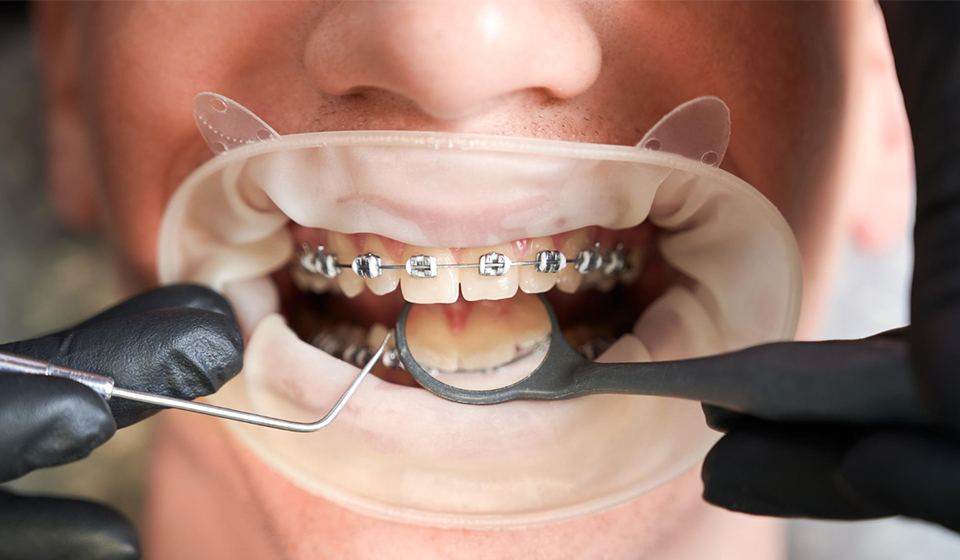
Orthodontic treatments play a vital role in improving both dental health and overall confidence. They are designed to correct misaligned teeth, bite problems, and jaw irregularities that can affect daily comfort and long-term oral wellness. Many patients begin their research by looking for an experienced orthodontist in Houston who can explain options clearly and recommend the right approach. Modern orthodontics has evolved far beyond traditional braces, offering flexible solutions for different ages and lifestyles. With the right guidance, orthodontic care becomes a planned journey rather than an overwhelming decision. Understanding how these treatments work helps patients feel confident and motivated to take the next step toward a healthier smile.

Understanding Orthodontic Treatments

Orthodontic treatments focus on aligning teeth and jaws so they function properly and look balanced. From an analytical perspective, alignment is not just cosmetic; it directly affects chewing efficiency, speech clarity, and the ability to maintain proper oral hygiene.

When teeth are crowded or misaligned, plaque buildup becomes harder to control, increasing the risk of cavities and gum disease. Orthodontic treatments aim to prevent these issues while also enhancing facial harmony. They are suitable for children, teens, and adults, making them a versatile solution across age groups.

Common Dental Issues Addressed by Orthodontic Treatments

Orthodontic treatments are recommended for a wide range of conditions, including:

  • Crooked or crowded teeth
  • Overbite or underbite
  • Crossbite or open bite
  • Gaps between teeth
  • Jaw alignment issues

Each condition requires a tailored approach, which is why professional evaluation is essential before starting treatment.

Orthodontic Treatments for Children and Teens

Early orthodontic evaluations allow dentists to identify developing issues before they become more complex. In children and teens, jaws are still growing, which makes certain corrections more efficient.

From an analytical standpoint, early intervention can reduce treatment time later and prevent the need for more invasive procedures. Braces or interceptive appliances guide teeth into proper positions while supporting natural growth patterns.

Orthodontic Treatments for Adults

Orthodontic care is no longer limited to younger patients. Adults increasingly seek orthodontic treatments to improve comfort, aesthetics, and long-term oral health. Today’s options are designed to fit busy lifestyles and professional environments.

Adults often choose orthodontic treatments to address issues that were never corrected earlier or that have developed over time. With advancements in materials and techniques, treatment is more comfortable and discreet than ever before.

Types of Orthodontic Treatments Available

Understanding available options helps patients make informed decisions. Each type of orthodontic treatment serves a specific purpose and lifestyle need.

Traditional Braces

Traditional metal braces remain one of the most effective orthodontic treatments. They use brackets and wires to gradually move teeth into alignment. Modern designs are smaller, smoother, and more comfortable than in the past.

Ceramic Braces

Ceramic braces function similarly to metal braces but blend more naturally with tooth color. They are a popular choice for patients who want effective orthodontic treatments with less visual impact.

Clear Aligners

Clear aligners have transformed orthodontic care by offering removable, nearly invisible trays. These orthodontic treatments are ideal for mild to moderate alignment issues and patients who value flexibility.

Lingual Braces

Lingual braces are placed behind the teeth, making them invisible from the front. They are highly customized orthodontic treatments that require specialized expertise.

Orthodontist in Houston: What to Expect During Treatment

When visiting an orthodontist in Houston, patients can expect a structured and transparent process. The journey typically begins with a comprehensive evaluation, including digital imaging and bite analysis.

Based on this assessment, a personalized treatment plan is created. This plan outlines the type of orthodontic treatment recommended, expected duration, and maintenance requirements. Regular follow-up visits ensure progress stays on track and adjustments are made as needed.

The Role of Technology in Modern Orthodontic Treatments

Technology has significantly improved the precision and comfort of orthodontic treatments. Digital scans, 3D imaging, and advanced planning tools allow dentists to predict outcomes more accurately.

From an analytical perspective, this reduces treatment time and enhances patient satisfaction. Technology also allows patients to visualize potential results, increasing confidence and commitment to the process.

Maintaining Oral Health During Orthodontic Treatments

Orthodontic treatments require extra attention to daily oral care. Appliances can create areas where food particles and plaque accumulate more easily.

Helpful maintenance tips include:

  • Brushing after every meal when possible
  • Using floss threaders or water flossers
  • Avoiding hard or sticky foods
  • Attending regular dental cleanings

Consistent care ensures that orthodontic treatments deliver both alignment and long-term oral health benefits.

Life After Orthodontic Treatments: Retention and Results

Completing orthodontic treatments is a major milestone, but maintaining results is equally important. Retainers help keep teeth in their new positions while supporting long-term stability.

From an analytical viewpoint, retention is a critical phase that protects the investment made in orthodontic care. Patients who follow retainer instructions are far more likely to enjoy lasting results.

Conclusion

Orthodontic treatments are a powerful tool for improving dental function, appearance, and long-term health. With modern options available for all ages, achieving a balanced smile has never been more accessible. When patients understand their choices and feel supported throughout the process, orthodontic care becomes a rewarding experience. At Unident Family Dentistry in Houston, this commitment to clarity, comfort, and comprehensive care helps patients confidently begin their journey toward healthier, beautifully aligned smiles.
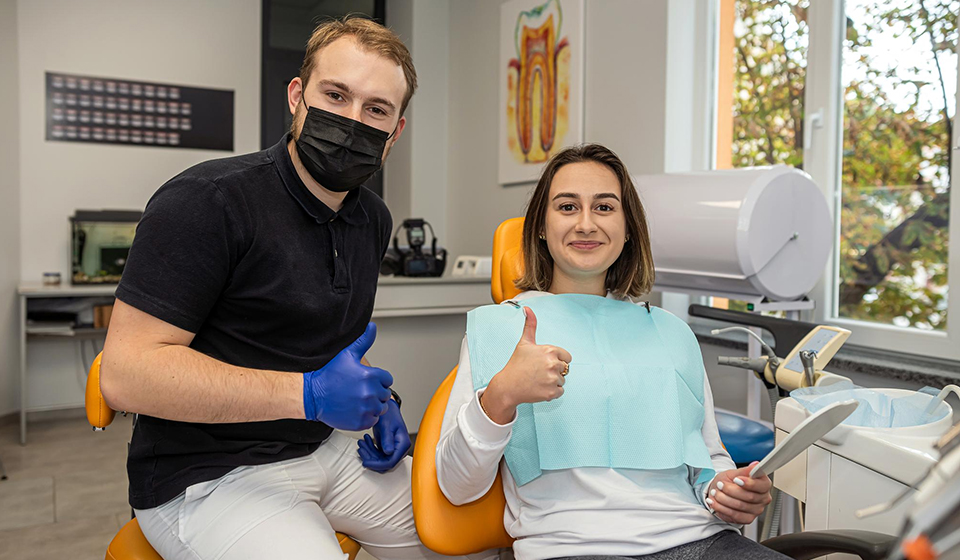
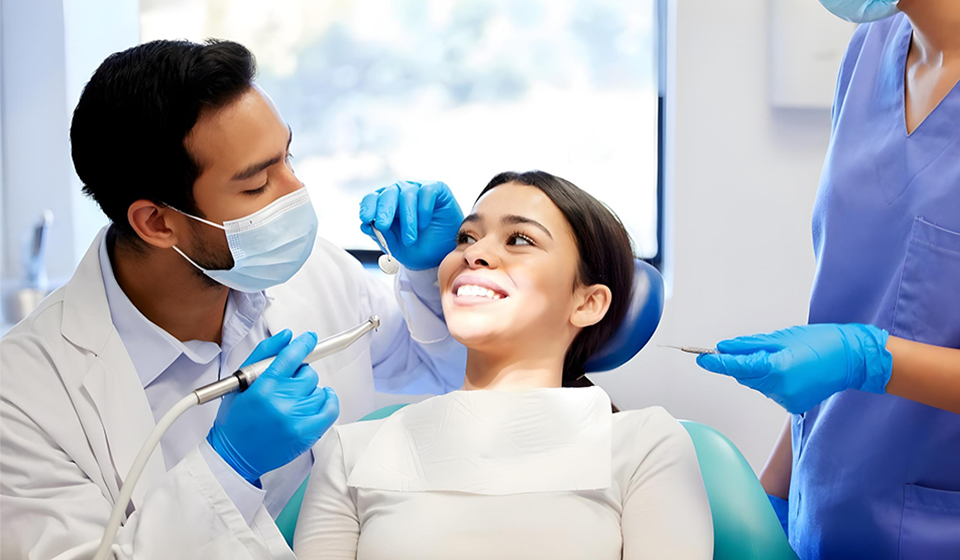
A dental appointment is more than just sitting in a chair and opening your mouth; it is an important step toward maintaining lifelong oral health. Many people feel unsure or even anxious before visiting a clinic, often because they are not fully prepared. The good news is that choosing the right dentist in Houston and knowing what to expect can make the entire experience smooth and stress-free. Preparation helps you communicate better, feel more confident, and get the most value from your visit. It also enables your dentist to understand your needs clearly and provide care that truly meets your needs. With the right mindset and a few practical steps, dental visits can become a positive part of your health routine.

Why Prepare for a Dentist Appointment?

From an analytical perspective, preparation has a direct impact on the quality of dental care you receive. When patients arrive informed and organized, appointments tend to be more efficient and productive. Dentists can focus on diagnosis and treatment rather than filling in missing details.

Proper preparation also reduces anxiety. Knowing what will happen, what questions to ask, and how to explain symptoms helps you feel in control. Over time, this builds trust and encourages consistent dental visits, which are essential for preventing serious oral health issues.

What to Do Before Your Appointment?

Preparing for a dental visit starts well before you walk into the clinic. Small actions taken ahead of time can significantly improve your overall experience.

Organize Your Dental and Medical Information

Your dentist needs a complete picture of your health to provide safe and effective care. Before your appointment, take time to organize important details such as:

  • Current medications and supplements
  • Known allergies or sensitivities
  • Past dental treatments or surgeries
  • Ongoing medical conditions
  • Dental insurance information

Having this information ready allows the dental team to tailor treatment plans and avoid potential complications.

Be Clear About Your Concerns and Goals

Every patient has different expectations. Some want relief from pain, others want preventive care, and some are focused on cosmetic improvements. Write down any concerns, discomfort, or changes you have noticed in your teeth or gums.

From an analytical standpoint, clear communication improves diagnostic accuracy. When dentists understand your goals, they can recommend treatments that align with both your health needs and personal expectations.

How Oral Hygiene Before the Visit Makes a Difference

Maintaining good oral hygiene before your appointment is not about impressing the dentist; it is about making the examination easier and more accurate. Brush and floss as usual before your visit to remove surface plaque and food particles. This simple step allows the dentist to focus on underlying issues rather than temporary buildup. It also helps you feel more confident during the appointment, especially during close examinations or cleanings.

Managing Dental Anxiety Before Your Appointment

Dental anxiety is more common than many people realize. Fear of discomfort, past experiences, or uncertainty can make patients delay visits. Preparation is one of the most effective ways to manage this anxiety.

Some helpful strategies include:

  • Scheduling appointments at a time when you feel least rushed
  • Practicing deep breathing or relaxation techniques
  • Letting the dental team know about your concerns in advance
  • Bring headphones or calming music if allowed

When anxiety is addressed proactively, dental visits become far more comfortable and predictable.

What Happens During the Appointment?

Understanding what typically happens during a dental visit helps remove fear of the unknown. While every appointment is different, most follow a similar structure.

Examination and Discussion

The dentist begins by examining your teeth, gums, and overall oral health. This may include X-rays or digital scans if needed. The findings are then discussed with you in clear, simple terms.

Professional Cleaning and Preventive Care

If your visit includes a cleaning, the dental hygienist removes plaque and tartar that brushing alone cannot eliminate. Preventive treatments help protect your teeth and gums from future problems.

Treatment Planning and Recommendations

Based on the examination, the dentist may suggest treatments or lifestyle adjustments. From an analytical perspective, this is where preparation pays off. When you ask informed questions, you gain clarity and confidence in the recommended plan.

Questions You Should Ask Your Dentist

An informed patient makes better health decisions. Preparing questions in advance ensures you leave the appointment with a clear understanding of your oral health.

Consider asking questions such as:

  • What areas of my mouth need the most attention right now?
  • Are there early signs of issues I should watch for?
  • How can I improve my daily oral care routine?
  • What preventive steps can reduce future dental problems?

These discussions turn a routine visit into an educational experience.

After the Appointment: Turning Advice into Action

Preparation does not end when the appointment is over. Following through on your dentist’s recommendations is essential for long-term results. Whether it involves improving brushing techniques, scheduling follow-up visits, or adjusting dietary habits, small changes make a big difference. Analyzing post-appointment instructions and applying them consistently helps prevent recurring issues and reduces the need for complex treatments later.

Conclusion

Preparing yourself for a dental appointment is one of the simplest yet most powerful ways to protect your smile. By organizing information, managing anxiety, and engaging actively during your visit, you create a positive dental experience that supports long-term health. Dental care becomes easier when patients feel comfortable, informed, and respected. At Unident Family Dentistry in Houston, this philosophy guides every interaction, helping patients of all ages take confident steps toward healthier, happier smiles.

Oral health is a cornerstone of overall wellness. Maintaining healthy teeth and gums goes beyond just brushing and flossing. Preventive care is essential to keep minor dental issues from turning into serious problems. Many patients seeking a dentist in Houston often wonder how regular checkups and early interventions can impact long-term oral health. By understanding the benefits of preventive dentistry, you can take control of your smile and reduce the risk of complicated dental treatments later.

Preventive dentistry focuses on keeping your teeth healthy and preventing disease rather than just treating problems after they occur. With a proactive approach, patients enjoy stronger teeth, fresher breath, and a reduced likelihood of extensive procedures. Below, we explore how preventive dentistry makes a lasting difference.

What Is Preventive Dental Care?

Preventive dentistry encompasses the routine measures and treatments designed to protect teeth and gums from decay, disease, and damage. It includes professional dental exams, cleanings, and patient education on proper oral hygiene practices. These measures help catch potential issues early and keep patients’ smiles healthy for a lifetime.

Benefits of Preventive Dental Care:

Preventive dentistry isn’t just about avoiding cavities. Its advantages extend to overall oral and systemic health. Patients who prioritize preventive care experience:

  • Reduced risk of cavities and tooth decay
  • Prevention of gum disease, which can impact heart health
  • Early detection of oral cancer and other conditions
  • Preservation of natural teeth for longer
  • Improved breath and oral comfort
  • Cost savings from avoiding major dental procedures

Investing time in preventive care today ensures fewer complications and less invasive treatments in the future.

Common Preventive Dental Care Practices

Regular Dental Checkups

Routine dental visits allow your dentist to monitor oral health and identify potential problems early. During these appointments, dentists examine:

  • Teeth for signs of decay or fractures
  • Gums for inflammation or infection
  • Jaw alignment and bite issues
  • Oral tissue for unusual growths or lesions

Early detection leads to simpler and more effective treatments.

Professional Teeth Cleaning

Even with proper home care, plaque and tartar can build up in hard-to-reach areas. Professional cleaning removes these deposits, preventing cavities and gum disease. Cleanings also polish teeth, remove surface stains, and contribute to fresher breath.

Dental Sealants

Dental sealants provide a protective layer on the chewing surfaces of molars, where decay often begins. This barrier prevents food particles and bacteria from settling in grooves and crevices.

Patient Education

Understanding how to maintain oral hygiene at home is a key component of preventive dentistry. Dentists provide guidance on:

  • Correct brushing and flossing techniques
  • Choosing the right toothpaste and mouthwash
  • Nutritional advice for healthier teeth
  • Habits to avoid, like excessive sugar consumption

How Preventive Dental Care Saves Time and Money

Preventive dentistry may seem routine, but it offers significant long-term benefits. Catching problems early reduces the need for:

  • Root canals
  • Tooth extractions
  • Crowns or bridges
  • Gum disease treatments

By prioritizing preventive care, patients avoid costly and painful procedures. Early intervention helps maintain natural teeth and reduces overall dental expenses.

Signs You May Need Preventive Dental Care

Even if your teeth appear healthy, certain signs indicate a greater need for preventive care:

  • Persistent bad breath
  • Bleeding gums when brushing or flossing
  • Tooth sensitivity to hot or cold
  • Loose or shifting teeth
  • Pain or discomfort while chewing

Recognizing these signs early allows your dentist to intervene before problems worsen.

Tips for Maintaining Oral Health Between Visits

While professional care is essential, daily habits play a major role in prevention. Patients should focus on:

  • Brushing at least twice a day with fluoride toothpaste
  • Flossing daily to remove hidden plaque
  • Limiting sugary snacks and beverages
  • Drinking plenty of water to wash away food particles
  • Avoiding tobacco and limiting alcohol consumption
  • Using mouthguards for sports or teeth grinding

Consistent home care complements preventive dentistry visits and supports long-term oral health.

When to Schedule a Dental Care Visit

Experts recommend scheduling preventive visits every six months. However, some patients may require more frequent appointments, especially those with:

  • A history of cavities or gum disease
  • Chronic health conditions
  • Sensitivity or enamel issues
  • Orthodontic appliances or prosthetics

Regular monitoring ensures minor issues are addressed before they escalate into major problems.

Encouraging a Lifetime of Healthy Smiles

Preventive dentistry is about more than avoiding cavities; it’s a lifestyle choice. Patients who commit to regular checkups, cleanings, and home care enjoy long-lasting benefits. Consistent preventive care leads to:

  • Healthier gums and teeth
  • Reduced risk of major dental procedures
  • Enhanced confidence and self-esteem
  • Improved overall wellness

By embracing preventive dentistry, you take proactive steps toward a lifetime of healthy, beautiful smiles.

Conclusion

Preventive dentistry is the foundation of lasting oral health. By focusing on regular checkups, professional cleanings, and patient education, you can avoid costly and complicated dental problems. A proactive approach ensures strong teeth, healthy gums, and a confident smile. If you want guidance tailored to your needs, the dedicated team at Unident Family Dentistry in Houston is ready to provide personalized preventive care, helping you protect your smile today and for years to come.

Missing teeth can affect more than just your smile. They can influence your ability to eat comfortably, speak clearly, and feel confident in social situations. Tooth loss is common, and there are many replacement options available today. Among these, dentures in Houston remain a widely used and reliable solution. They continue to provide practical, cost-effective, and aesthetically pleasing results for patients of all ages. While dental implants have become popular, dentures still offer unique advantages that make them a trusted choice.

Dentures are designed to restore both function and appearance. They allow patients to maintain a natural-looking smile, improve chewing, and support the facial structure. Understanding the benefits, types, and maintenance of dentures helps patients make informed decisions for their oral health.

Understanding Dentures

Dentures are removable appliances that replace missing teeth and surrounding tissue. They are custom-made to fit the unique shape of your mouth. Today’s dentures are more comfortable and natural-looking than ever before. Dentures are also versatile, suitable for patients missing a few teeth or an entire arch.

Key features of dentures include:

  • Custom fit for each patient
  • Durable materials designed for daily use
  • Options for partial or full tooth replacement
  • Support for facial muscles to prevent sagging

Dentures continue to evolve, combining function and cosmetic appeal to meet modern dental needs.

Types of Dentures

Complete Dentures

Complete dentures replace all teeth in either the upper or lower jaw. They are typically recommended for patients who have lost all their natural teeth. These dentures rest directly on the gums and are carefully molded to ensure a secure fit. Properly fitted complete dentures allow patients to eat, speak, and smile with confidence.

Partial Dentures

Partial dentures are used when some natural teeth remain. They fill the gaps between existing teeth to prevent shifting and maintain proper alignment. Partial dentures are usually attached to a metal or acrylic framework that clasps onto the surrounding teeth, providing stability and comfort.

Advantages of Dentures in Houston

Despite newer dental technologies, dentures remain popular for several reasons. They provide a trusted solution for tooth replacement, offering both functional and aesthetic benefits.

Key advantages include:

  • Improved Appearance: Dentures restore a natural smile and facial structure.
  • Enhanced Chewing Ability: Patients can enjoy a wider variety of foods comfortably.
  • Speech Support: Missing teeth can affect pronunciation; dentures help restore normal speech.
  • Cost-Effective: Dentures are generally more affordable than implants.
  • Quick Solution: Dentures can be made and fitted relatively quickly compared to surgical options.
  • Customizable Options: Patients can choose materials, shades, and designs for a natural look.

These benefits highlight why dentures continue to be a reliable choice for many patients in Houston.

Signs That Dentures May Be Right for You

Knowing when dentures are appropriate is essential. Patients should consider the following indicators:

  • Multiple missing teeth
  • Difficulty chewing or biting
  • Noticeable sagging or changes in facial appearance
  • Reduced confidence due to gaps in teeth
  • Desire for a removable and adjustable dental solution

Dentures can restore comfort and function, allowing patients to lead a more normal lifestyle without the stress of missing teeth.

Caring for Your Dentures

Proper maintenance ensures dentures last longer and remain comfortable. Unlike natural teeth, dentures require specific care routines to prevent damage and oral health issues.

Tips for denture care:

  • Clean dentures daily with a soft brush and denture cleaner
  • Remove dentures at night to allow gums to rest
  • Soak dentures in water or specialized solutions overnight
  • Avoid hot water that could warp the denture material.
  • Regularly visit your dentist for adjustments and checkups.

Following these guidelines helps maintain oral health, prolongs denture life, and ensures continued comfort.

Maintaining Confidence With Dentures

Dentures not only restore function but also confidence. A complete, natural-looking smile can significantly improve self-esteem. Patients often report increased comfort in social situations and greater satisfaction with their appearance.

Tips to maintain confidence:

  • Schedule regular dental checkups
  • Use adhesive products if needed for stability
  • Practice speaking and eating to get accustomed to dentures.
  • Choose natural tooth shades that complement your smile.

Dentures help patients maintain a vibrant, confident presence in daily life.

When to Consult a Dentist

Regular consultation with your dental professional ensures dentures continue to function properly. Situations that require a visit include:

  • Persistent discomfort or sore spots
  • Denture slipping or loosening
  • Noticeable wear or damage
  • Changes in bite or jaw alignment

Routine checkups prevent complications and ensure dentures remain a trusted solution for years to come.

Conclusion

Dentures remain a reliable and versatile choice for tooth replacement. They restore appearance, function, and confidence, offering both cosmetic and practical benefits. With proper care, regular checkups, and professional guidance, dentures continue to provide an effective solution for patients experiencing tooth loss. If you’re considering dentures or need advice on maintaining your current set, the expert team at Unident Family Dentistry in Houston is here to guide you. We ensure every patient enjoys a comfortable, natural-looking smile that meets their lifestyle and oral health needs.

A bright smile can boost confidence, elevate your appearance, and make every first impression a positive one. Many people experience tooth discoloration at some point, and that’s completely normal. But knowing when to take action can make a big difference in how you look and feel every day. Patients searching for teeth whitening in Houston often want to understand whether their smile is ready for a whitening treatment. The truth is, there are clear signs to watch for, and the sooner you address them, the sooner you can enjoy the benefits.

Teeth whitening has become one of the most popular cosmetic dental services because it delivers quick and noticeable results. Whether staining comes from lifestyle habits or natural aging, professional whitening can help restore a brighter smile. Below, we break down the key indicators that it may be time to consider whitening.

Understanding Teeth Whitening and Why It Matters

Whitening isn’t just about vanity; it connects directly to confidence and quality of life. When discoloration becomes noticeable, people may:

  • Hide their smile in photos
  • Speak less in social situations
  • Avoid laughing openly.
  • Feel self-conscious during important events

Professional whitening helps fix these concerns by enhancing appearance while supporting emotional comfort. It can give you a renewed sense of pride every time you smile.

Common Causes of Tooth Discoloration

Teeth naturally change color over time. Several everyday factors contribute to darkening, yellowing, or uneven stains:

  • Coffee, tea, and wine
  • Smoking or tobacco usage
  • Certain medications
  • Poor oral hygiene habits
  • Natural wear as enamel thins
  • Highly pigmented foods
  • Trauma or medical treatments

These factors gradually affect the brightness of your smile, sometimes without you noticing until discoloration becomes obvious.

Signs You Might Need Teeth Whitening:

When You Notice Yellow or Dull Teeth

One of the earliest and most common signs is a gradual change in tooth shade. As enamel becomes thinner, the dentin beneath becomes more visible, making teeth appear yellow.

If recent photos make you think, “My smile looks darker than before,” whitening can help turn things around.

When Stains Don’t Go Away with Brushing

Surface stains from coffee, tea, or soda may initially seem manageable. But when they begin sinking deeper into enamel, even extra brushing won’t help. That’s a major sign it’s time for professional treatment.

When You Have a Special Event Coming Up

Many patients opt for whitening before:

  • Weddings
  • Graduations
  • Job interviews
  • Public speaking events
  • Holidays and celebrations

A radiant smile helps you feel more confident during life’s big moments.

Teeth Whitening and Oral Health

Teeth whitening isn’t only cosmetic. It can help encourage better hygiene habits and overall dental care. When your teeth look great, you’re more motivated to maintain them.

Signs that whitening could support your oral health goals include:

  • Recent dental cleaning with lingering stains
  • Motivation to maintain a healthier oral routine
  • Desire to reduce the appearance of old habits like smoking

Whitening can be a step toward better long-term oral care.

Types of Teeth Whitening Available

Not all whitening methods produce the same results. Options include:

In-Office Professional Whitening

Provides fast and powerful results, usually in 60–90 minutes. Ideal for those with deeper stains or quick deadlines.

Custom Take-Home Whitening Kits

Designed by a dentist to deliver results gradually with precision fit and controlled whitening strength.

Over-the-Counter Products

Whitening strips and toothpaste are affordable but less effective on deep staining. Professional whitening is strongly recommended for the most dramatic, safe, and long-lasting improvement.

Who Is a Good Candidate for Teeth Whitening?

If you’re considering teeth whitening, here’s what makes someone a great candidate:

  • Healthy teeth and gums
  • Stains from food, drinks, or aging
  • No major tooth sensitivity concerns
  • No large visible restorations on front teeth

Not sure? That’s when a consultation with a skilled dental team can provide clarity and options that suit your needs best.

When Whitening May Not Be the Right Choice

There are a few cases where whitening requires caution or modifications:

  • Crowns, fillings, bridges, or veneers won’t change color
  • Patients with extreme sensitivity may need alternative solutions.
  • Staining caused by internal tooth issues may require different cosmetic techniques.

A dentist will evaluate your situation and recommend the safest approach.

How to Maintain Whitening Results

Once your smile is brighter, simple habits will help keep it that way:

  • Rinse after drinking coffee, tea, or wine.
  • Reduce smoking or tobacco use
  • Maintain regular dental checkups
  • Drink water throughout the day.
  • Use a straw for dark beverages
  • Brush twice a day with a whitening-friendly toothpaste

With proper care, results from professional whitening can last many months or even years.

Conclusion

Your smile is often a sign of confidence, happiness, and health. If your teeth appear yellowed, stained, or dull, or if you simply want to look your best for upcoming events, professional whitening can help restore a youthful and radiant appearance. When the time feels right to enhance your smile, you deserve care that is comfortable, uplifting, and clinically advanced. The caring dental team at Unident Family Dentistry in Houston is here to guide you with solutions tailored to your needs and your goals, so every time you smile, you feel great about sharing it.

A beautiful smile is more than just straight teeth; it reflects confidence, self-esteem, and good oral health. Over the years, the art and science of dentistry have evolved, helping people rediscover the joy of smiling without hesitation. Whether it’s fixing small imperfections, brightening dull teeth, or completely transforming your smile, cosmetic dentistry offers countless possibilities. Many individuals are now turning to cosmetic dentistry in Houston to experience modern treatments that blend beauty, precision, and function for stunning results.

Cosmetic dentistry isn’t just about aesthetics; it’s about restoring harmony and balance to your face and improving overall dental health. With advanced technologies, even subtle changes can make a dramatic impact on your appearance and how you feel about yourself. Let’s explore how modern cosmetic dentistry turns everyday smiles into timeless perfection.

Understanding Cosmetic Dentistry

Cosmetic dentistry focuses on improving the appearance of your teeth, gums, and overall smile. It addresses concerns such as discoloration, chips, gaps, misalignment, and uneven shapes. Each treatment is carefully designed to enhance both the look and function of your teeth, helping you achieve a smile that feels natural and radiant.

How Cosmetic Dentistry Transforms Your Smile

The transformation achieved through cosmetic dentistry can be life-changing. Even small upgrades can make your teeth appear healthier, more symmetrical, and brighter.

Here are some ways cosmetic dentistry helps redefine perfection:

  • Closes gaps and spaces between teeth, giving a uniform appearance.
  • Enhances color and brightness, eliminating discoloration caused by coffee, wine, or tobacco.
  • Improves alignment with invisible aligners for a straight, natural smile.
  • Restores damaged teeth, such as chips, cracks, or wear, through bonding or crowns.
  • Balances proportions, ensuring that your teeth match your facial structure for a naturally appealing look.

Beyond the visible transformation, patients often experience renewed confidence, improved oral health, and better functionality when chewing or speaking.

The Process of Cosmetic Dentistry

Every cosmetic dental journey begins with a detailed consultation. During this phase, your dentist evaluates your teeth, discusses your goals, and presents personalized options.

The process generally includes

  1. Evaluation and planning: Digital scans and photographs are taken to assess your current dental condition.
  2. Customized treatment plan: Based on your needs, whether whitening, veneers, or aligners, a plan is created to achieve your ideal results.
  3. Preparation and treatment: The actual procedure may involve reshaping, bonding, or applying veneers or crowns.
  4. Follow-up and maintenance: Regular visits help ensure the longevity and health of your new smile.

With modern tools, treatments are quicker, more comfortable, and deliver predictable outcomes.

Maintaining Your Cosmetic Dentistry Results

Once you’ve achieved your dream smile, maintaining it is simple with consistent care. Regular brushing, flossing, and dental visits help preserve your investment.

Here are a few tips:

  • Brush twice a day using fluoride toothpaste.
  • Avoid staining foods and drinks, such as coffee and red wine.
  • Use a mouthguard if you grind your teeth at night.
  • Visit your dentist every six months for cleanings and checkups.

By maintaining good habits, your smile will continue to look radiant and healthy for years.

The Future of Cosmetic Dentistry

The field of cosmetic dentistry continues to evolve rapidly. Future innovations will focus on faster, more comfortable treatments with even more natural results. Techniques such as digital smile simulations, regenerative materials, and AI-driven treatment planning are transforming patient experiences.

As technology advances, patients can expect less invasive procedures and shorter recovery times—all while achieving flawless, personalized smiles.

Conclusion

Cosmetic dentistry is more than a dental service; it’s a journey toward confidence and self-expression. From minor touch-ups to full smile makeovers, every procedure is designed to help you look and feel your best. A radiant smile can truly change how you see yourself and how others see you.

At Unident Family Dentistry in Houston, we’re passionate about transforming smiles with precision, care, and artistry. Our dedicated team combines years of experience with modern techniques to deliver results that enhance both your health and happiness. It’s never too late to discover your best smile, because perfection starts with the confidence to show it.

A beautiful smile doesn’t just happen overnight; it’s the result of expert planning, precision, and care. Orthodontic treatment is one of the most effective ways to align teeth, correct bite issues, and improve both function and aesthetics. Whether you’re a teen starting your braces journey or an adult exploring discreet aligner options, understanding what to expect from orthodontic care helps make the process smoother and more rewarding. When you visit expert orthodontists in Houston, you’ll find that modern orthodontics offers more comfort, flexibility, and results than ever before.

Understanding Orthodontic Treatment

Orthodontics focuses on diagnosing, preventing, and correcting misaligned teeth and jaws. Through various techniques and appliances, orthodontists gradually shift teeth into their ideal positions, promoting harmony between your teeth, bite, and facial structure.

Modern orthodontics isn’t limited to just traditional metal braces. With today’s advanced options, patients can enjoy faster, more comfortable treatments and even near-invisible solutions.

Common orthodontic issues include:

  • Overcrowding of teeth
  • Gaps between teeth
  • Overbite or underbite
  • Crossbite or open bite
  • Jaw alignment problems

Each case is unique, which is why your orthodontist will develop a personalized treatment plan tailored to your needs, goals, and lifestyle.

The Initial Orthodontic Consultation

The first step in your orthodontic journey is the consultation, a detailed assessment where your orthodontist examines your teeth, bite, and jaw alignment. This visit helps identify any underlying issues and determine the most effective treatment options.

During this visit, you can expect:

  • A comprehensive dental examination
  • X-rays or 3D imaging for precise diagnosis
  • Photographs and impressions of your teeth
  • Discussion of treatment goals and available options
  • An estimated timeline and cost of treatment

This is your opportunity to ask questions and fully understand your treatment plan. A good orthodontic consultation provides clarity, confidence, and a clear roadmap to achieving your dream smile.

What to Expect During Orthodontic Treatment

Once treatment begins, you’ll have regular visits to monitor progress and make adjustments. These visits are typically scheduled every 4 to 8 weeks, depending on the treatment plan.

During these appointments, your orthodontist will:

  • Adjust wires or replace aligners
  • Track tooth movement and bite changes
  • Provide guidance on oral hygiene and diet
  • Address any discomfort or minor issues

It’s normal to experience mild soreness after adjustments, as your teeth are actively shifting. This sensation usually subsides within a few days and can be managed with over-the-counter pain relievers if needed.

Key points to remember during treatment:

  • Maintain excellent oral hygiene to prevent plaque buildup.
  • Avoid sticky or hard foods that can damage braces.
  • Wear aligners as directed for optimal results.
  • Attend all scheduled checkups for timely progress.

With consistent care, you’ll see gradual but noticeable improvements in your smile.

The Importance of Oral Hygiene During Orthodontic Care

Keeping your teeth and gums healthy during orthodontic treatment is crucial. Braces and aligners can trap food particles, increasing the risk of cavities and gum problems if not cleaned properly.

Tips for maintaining oral hygiene:

  • Brush after every meal using a soft-bristle toothbrush.
  • Use floss threaders or interdental brushes to clean between braces.
  • Rinse with an antibacterial mouthwash to prevent plaque buildup.
  • Schedule regular dental cleanings throughout treatment.

For aligner wearers, cleaning trays daily with a mild cleanser and avoiding colored or hot drinks while wearing them will help maintain freshness and clarity.

Good hygiene not only protects your teeth but also ensures your final results look flawless once your braces or aligners are removed.

The Long-Term Benefits of Orthodontic Treatment

Orthodontic care isn’t just about aesthetics—it’s a long-term investment in your oral and overall health. Properly aligned teeth are easier to clean, reducing the risk of decay and gum disease. They also help distribute bite pressure evenly, preventing jaw strain and uneven wear.

The benefits extend beyond your smile:

  • Improved chewing and digestion
  • Enhanced speech and facial balance
  • Increased self-confidence and comfort
  • Long-lasting oral wellness

Straight teeth don’t just look great; they make everyday activities like eating, speaking, and smiling effortless and natural.

Conclusion

Orthodontic treatment is a transformative journey that goes beyond improving your smile—it enhances your health, confidence, and quality of life. From the first consultation to the final reveal, every stage brings you closer to the best version of yourself.

At Unident Family Dentistry in Houston, our experienced orthodontists combine advanced techniques with compassionate care to help you achieve outstanding results. Whether you’re considering braces or clear aligners, our team ensures a comfortable and rewarding experience from start to finish. Take the first step today toward a straighter, healthier, and more confident smile.

A child’s first dental appointment is a milestone that sets the foundation for a lifetime of healthy smiles. For many parents, this visit can come with excitement and a little uncertainty, especially if it’s their first time bringing their little one to the dentist. The good news is that pediatric dental care today is designed to be comfortable, educational, and even fun. The goal is to ensure that children feel at ease in the dental chair and leave with positive memories about their experience. When it comes to expert and compassionate care, children’s dentistry in Houston focuses on creating a nurturing environment that encourages long-term oral wellness from an early age.

At Unident Family Dentistry, we believe that introducing your child to dental visits early is one of the best investments in their health. A first appointment is more than just a checkup; it’s the beginning of building trust, learning proper oral habits, and establishing a relationship with a dental team that truly cares.

Some benefits of early dental visits include:

  • Early detection of cavities or tooth decay
  • Guidance on teething, brushing, and nutrition
  • Prevention of dental anxiety and fear
  • Education for parents on home care routines
  • Establishing a foundation for lifelong oral health

Preparing Your Child for Their First Dental Appointment

Preparation plays a big role in ensuring that your child’s first dental experience is a positive one. The more familiar and relaxed they feel, the better their cooperation and comfort during the visit.

Here are some ways to prepare:

  • Talk positively about the dentist—avoid using words like “pain” or “shot.”
  • Read children’s books about visiting the dentist to build familiarity.
  • Schedule the appointment during a time of day when your child is well-rested and fed.
  • Stay calm and encouraging—children often mirror their parents’ emotions.
  • Bring comfort items, such as their favorite toy or blanket, to help them feel safe.

This preparation not only eases anxiety but also teaches your child that dental visits are a normal and healthy part of life.

What Happens During the First Visit

Your child’s first dental visit is typically short and simple, focusing on comfort and education rather than treatment. The dentist will gently examine your child’s teeth, gums, and mouth to ensure everything is developing properly.

The visit usually includes:

  • A quick but thorough examination of teeth and jaw development
  • Checking for early signs of decay or other oral issues
  • Gentle cleaning (if needed) to remove plaque or food particles
  • Demonstration of proper brushing and flossing techniques
  • Discussion about diet, thumb-sucking, and bottle habits

Parents are encouraged to stay with their child throughout the appointment, helping them feel secure and supported. The dentist will also answer any questions you might have about your child’s oral health.

What to Expect After the Appointment

After the first dental visit, your child might be a little tired but should feel comfortable and happy overall. The dentist will likely schedule follow-up visits every six months to monitor your child’s growth and address any changes in their oral health.

Between visits, parents play a vital role in maintaining healthy habits at home. Encourage your child to brush twice daily using a small, soft-bristled toothbrush and fluoride toothpaste. Flossing should begin once two teeth touch.

You can also support good oral health by:

  • Limiting sugary snacks and drinks
  • Encouraging water over juice or soda
  • Scheduling regular dental checkups
  • Reinforcing positive dental habits through praise and consistency

Consistency is key to ensuring your child’s teeth remain strong and healthy as they grow.

The Role of Preventive Care in Children’s Dentistry

Preventive care is the cornerstone of healthy smiles. It focuses on avoiding dental issues before they occur rather than treating them after they develop. Regular cleanings, fluoride treatments, and dental sealants are some of the preventive measures that can help protect your child’s teeth.

Preventive children’s dentistry not only keeps teeth cavity-free but also helps instill healthy habits that last a lifetime. When children grow up understanding the importance of oral hygiene, they’re more likely to continue caring for their smiles as adults.

Preventive measures may include:

  • Regular dental exams and cleanings
  • Fluoride applications to strengthen enamel
  • Dental sealants to protect molars from decay
  • Education on brushing, flossing, and nutrition

The earlier these habits begin, the better the long-term results for your child’s oral health.

Conclusion

Your child’s first dental appointment is an important step toward a lifetime of strong, healthy teeth. It’s about more than just checking for cavities, it’s about building confidence, comfort, and trust in professional dental care. By starting early and maintaining regular visits, you’re giving your child the best chance for lifelong oral health.

At Unident Family Dentistry in Houston, we make every effort to ensure that your child’s first visit is positive, educational, and full of smiles. With a caring team and a welcoming environment, we’re here to help your family experience the best in modern children’s dentistry.

Smiles are often the first thing people notice, but missing teeth can affect both confidence and overall oral health. Fortunately, modern dentistry has made it easier than ever to restore function and beauty with dentures. Whether you’ve lost teeth due to age, injury, or decay, dentures provide a reliable solution that helps you eat, speak, and smile with ease. For those considering dentures in Houston, this guide will walk you through everything you need to know about your options, what to expect, and how dentures can improve your life.

Dentures are no longer the bulky, uncomfortable devices of the past. Today’s designs are lightweight, natural-looking, and customized to fit each patient’s needs. From partial to complete dentures, these prosthetics are crafted to blend seamlessly with your existing teeth and restore comfort in daily activities. By learning more about how dentures work, their benefits, and how to care for them, you can make an informed decision about restoring your smile.

What Are Dentures?

Dentures are removable prosthetic devices designed to replace missing teeth and surrounding tissues. They not only restore appearance but also help with chewing, speaking, and maintaining the natural structure of your mouth and face.

Types of dentures include:

  • Complete Dentures—Replace an entire arch of missing teeth (upper or lower).
  • Partial Dentures – Replace several missing teeth while working alongside natural ones.
  • Immediate Dentures – Placed right after tooth extraction so you never go without teeth.
  • Implant-Supported Dentures – Anchored by dental implants for superior stability and comfort.

Each type has its own advantages, and the right choice depends on your oral health, lifestyle, and long-term goals.

Benefits of Dentures

Choosing dentures isn’t just about replacing teeth—it’s about regaining quality of life. Some of the key benefits include:

  • Restores your ability to chew and eat comfortably.
  • Improves speech clarity and pronunciation.
  • Enhances facial appearance by preventing sagging.
  • Boosts self-confidence and social comfort.
  • Custom-made to fit comfortably and look natural.
  • Affordable compared to other restorative options.

Dentures not only improve aesthetics but also restore essential daily functions.

The Process of Getting Dentures

If you’re considering dentures in Houston, it’s helpful to understand the process from start to finish.

  1. Initial Consultation—Your dentist examines your oral health, takes impressions, and discusses the best denture options.
  2. Extractions (if needed)—Damaged or unhealthy teeth may be removed.
  3. Impressions and Measurements—Accurate molds of your mouth ensure a snug, custom fit.
  4. Try-In Phase – A trial version of your dentures is created for adjustments.
  5. Final Placement – Once approved, your custom dentures are fitted.
  6. Follow-Up Appointments – Adjustments ensure maximum comfort and proper bite alignment.

This process ensures that your dentures look natural and feel comfortable while providing long-term functionality.

Adjusting to Life With Dentures

At first, dentures may feel strange. It’s normal to experience mild discomfort or increased saliva production during the adjustment period. With time and practice, wearing dentures becomes second nature.

Here are a few tips for adjusting quickly:

  • Start with soft foods and gradually move to firmer textures.
  • Practice speaking slowly to improve clarity.
  • Use recommended adhesives if extra stability is needed.
  • Follow your dentist’s instructions for cleaning and care.

Patience and persistence are key to enjoying your new smile.

Caring for Your Dentures

Dentures require regular maintenance to remain comfortable and hygienic. Proper care prevents damage, staining, and oral infections.

Daily care routine:

  • Rinse dentures after meals to remove food particles.
  • Brush gently with a soft-bristle toothbrush to prevent plaque buildup.
  • Soak dentures overnight in a dentist-approved solution to maintain shape.
  • Avoid hot water, which can warp the material.
  • Schedule routine dental visits to check fit and oral health.

With consistent care, dentures can last 5 to 10 years before needing replacement.

Who Is a Good Candidate for Dentures?

Dentures may be right for you if you:

  • Have multiple missing teeth.
  • Struggle with chewing and speaking due to tooth loss.
  • Want an affordable and effective replacement solution.
  • Prefer a non-surgical option.
  • Have healthy gums and adequate bone structure for support.

A professional consultation will determine the best option for your smile goals.

Conclusion

Dentures are a powerful tool in modern dentistry, offering patients a way to restore function, aesthetics, and confidence. With today’s advancements, they look more natural and feel more comfortable than ever before. From understanding the types available to learning proper care techniques, you’re now equipped with everything you need to know to make the right decision.

At Unident Family Dentistry in Houston, we believe every patient deserves a smile they can be proud of. Whether you’re exploring dentures for the first time or need adjustments to your current set, our team is here to provide compassionate, expert care that helps you feel confident again.

A child’s first dental visit is more than just a milestone—it’s the beginning of a lifelong journey toward healthy teeth and confident smiles. For many parents, however, preparing their little one for this new experience can feel a bit overwhelming. The good news is that with the right approach, you can turn your child’s first dental appointment into a positive and even exciting event. When it comes to building a healthy foundation, nothing is more valuable than starting early with professional care. That’s why parents searching for trusted children’s dentistry in Houston need practical strategies that make dental visits smooth and stress-free.

Children respond best when dental care feels familiar, comfortable, and even fun. By introducing them to good habits early, setting the right expectations, and choosing a supportive dental team, you’re not just preparing them for a single appointment—you’re helping them develop confidence in their dental health for years to come.

Why the First Visit Matters in Children’s Dentistry

Early dental appointments aren’t just about checking for cavities. They set the stage for how a child perceives dentistry as a whole. A positive first experience can:

  • Build trust between the dentist, child, and parents.
  • Establish healthy oral care routines early in life.
  • Identify potential concerns like misaligned teeth or decay before they progress.
  • Reduce the likelihood of future dental anxiety.
  • Encourage kids to see dental care as a normal and important part of their lives.

When children understand that dentistry is a place where they are cared for—not feared—they’re more likely to continue regular visits throughout adulthood.

Setting Expectations: Talking About the Dentist

One of the most effective ways to prepare kids is by talking openly about what to expect. Avoid words that sound scary, like “needle” or drill, and instead use positive, age-appropriate language. For example, describe the dentist as a “tooth doctor” who helps keep smiles shiny and strong.

Tips for talking with your child:

  • Read storybooks about dental visits together.
  • Role-play a “pretend dentist visit” at home using a mirror and toothbrush.
  • Highlight the fun parts, like sitting in a big chair or getting a new toothbrush.
  • Reassure them that the dentist’s job is to help, not hurt.

When you normalize the experience through conversation, your child arrives at the appointment feeling more comfortable.

Preparing at Home Before the Appointment

Dental readiness begins in your own bathroom. Practicing oral hygiene together reinforces the importance of dental health and helps kids feel involved.

Encourage your child to:

  • Brush their teeth twice a day using child-friendly toothpaste.
  • Floss gently with your guidance.
  • Practice opening wide so the dentist can check their teeth easily.
  • Choose their favorite toothbrush with bright colors or fun characters.

The goal is to make oral care a fun daily routine so visiting the dentist feels like a natural extension of what they already do at home.

The Role of Parents During the First Visit

Your child takes cues from you. If you show calmness and confidence, they are more likely to mirror that attitude.

Here’s how parents can help during the appointment:

  • Stay positive and encouraging throughout the visit.
  • Avoid transferring any of your own dental anxieties.
  • Allow the dental team to guide your child through the process.
  • Offer praise and small rewards after the appointment to celebrate success.

When parents remain supportive and relaxed, children feel safer and more willing to cooperate.

Creating a Kid-Friendly Experience in Children’s Dentistry

Pediatric and family dentists understand the unique needs of children. From a welcoming environment to gentle care techniques, children’s dentistry in Houston focuses on making visits stress-free.

Look for a dental practice that offers:

  • Bright, cheerful décor to reduce anxiety.
  • A patient, understanding team trained in children’s needs.
  • Preventive care services like fluoride treatments and sealants.
  • Age-appropriate education on brushing, flossing, and healthy eating habits.

These details make a huge difference in turning dental visits into positive experiences your child can look forward to.

Teaching Lifelong Habits Through Dentistry

Your child’s first dental appointment isn’t just about today’s visit—it’s about shaping future behaviors. Dentists emphasize preventive care by teaching kids how to:

  • Brush and floss properly.
  • Limit sugary snacks and drinks.
  • Understand the connection between oral health and overall well-being.

By starting early, you give your child the tools they need to protect their smile into adulthood.

Conclusion

Helping your child prepare for their first dental appointment is one of the greatest investments you can make in their long-term health. Through open conversations, practicing good habits at home, and partnering with a caring dental team, you transform what could be an intimidating experience into a joyful one.The foundation you build today will shape how your child feels about dentistry tomorrow. At Unident Family Dentistry in Houston, our goal is to make every child feel comfortable, supported, and excited about keeping their smile bright and healthy for life.

New Patient Forms