Dental crowns can brighten smiles and repair broken teeth. However, it’s common to have many questions regarding crowns if you’ve never had a crown surgery done. Continue reading as your Westchase crown dentist answers the important queries that clients have regarding these dental crowns.

What is a Dental Crown?

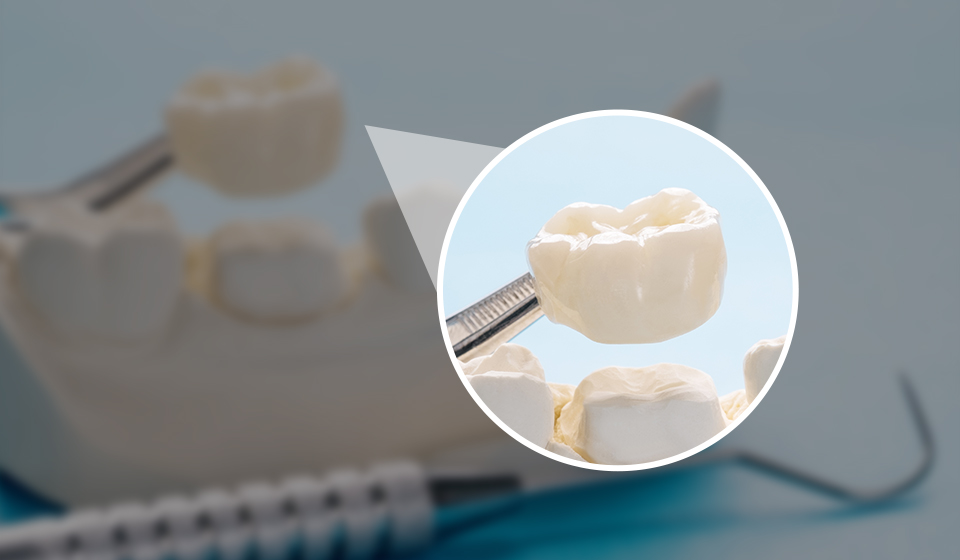
A crown is a prosthetic cap that completely encloses a broken tooth’s visible structure, all the way down to the gum line. Crowns enhance the look and prevent future harm to teeth that are fractured, worn down, or cracked. A variety of materials, including porcelain, composite resin, ceramic, and metal, can be used to create them.

Common questions asked about crowns

What is the procedure for placing a crown?

There are only a few appointments needed for the crown implantation procedure. For the permanent crown to fit tightly over the damaged outer enamel, it must first be filed down. This filed-down tooth is temporarily protected with a crown. Your bespoke permanent crown is checked for appropriate bite and appearance at the next appointment before it is set into position.

Do Crowns Hurt?

The local anesthetic used during crown placement makes the procedure painless. After placement, some sensitivity is typical; however, this discomfort is minimal and goes away in a few days. As the part that was numbed begins to feel again, brush it very gently.

Why Would You Need A Dental Crown?

There are numerous causes of crowns, such as:

  • Protecting a badly decayed tooth
  • Holding a fractured or chipped tooth together
  • Covering teeth that are crooked or extremely discolored
  • Supporting a bridge
  • Covering a dental implant

How long do the crowns last?

High-quality dental crowns in Westchase, TX, usually last five to fifteen years with good oral hygiene and routine dental exams. Your diet, clenching or grinding habits, oral hygiene practices, and prevention of trauma to the crowned tooth all affect how long your crown will last. You may extend the life of your bespoke crown by gently brushing and flossing it every day and by not biting hard things. If you see any damage, loosening, or cracks that need crown replacement or repair, get in quick contact with your dentist.

How do I take care of the crown?

The same meticulous, careful oral hygiene used to care for your natural teeth also applies to dental crowns. Make sure to gently brush along the gumline when using a soft-bristle toothbrush and fluoride toothpaste twice a day. Every day, floss your teeth, being careful to work the floss between your gums and crown. Avert sticky foods that can cause the crown cement to come away. Visit your dentist every six months for an examination to check for wear and tear, decay, or other problems that need to be adjusted or replaced.

Is It Safe to Have Crowns Placed?

A skilled dentist can place a modern crown in a very safe and efficient manner. Your Westchase Crown dentist ensures your comfort and well-being throughout the procedure by using high-quality materials, anesthetic, and precise tooth preparation.

We hope this information has clarified some of the often-asked issues about dental crowns. Please contact Westchase Crown Dentist if you have any further questions or are thinking about having a dental crown. Our team is committed to providing professional treatment and making sure you have a smooth transition to a happier, healthier smile.

Contact Westchase Dentist Today!

Call Unident Family Dentistry in Westchase to schedule a private consultation and receive professional dental care from Westchase Dentist. Make an appointment right now, and let’s collaborate to maintain and improve your gorgeous smile!

A radiant, healthy grin is frequently linked to self-assurance and well-being. Dental implants in Westchase, TX, have become a ground-breaking remedy for missing teeth, offering a long-lasting and realistic substitute. We will explain dental implant surgery in this detailed guide, highlighting the essential steps and advantages of this life-changing procedure.

What are Dental Implants?

Dental implants are prosthetic tooth roots surgically inserted into the mandible from biocompatible materials like titanium. They provide a stable and long-lasting alternative for people with missing teeth by acting as a foundation for replacement teeth.

Dental Implants Procedure

One of the common questions people ask is – “What to expect during dental implant treatment?”

Initial Evaluation: A comprehensive initial evaluation is the first step on the path to a restored smile. To evaluate if dental implant surgery is feasible, the dentist will evaluate the patient’s oral health at this point, go over their medical history, and take any necessary imaging, such as CT or X-rays.

Tooth Extraction: To provide room for the dental implant, the dentist may pull teeth that are broken or rotten. Ensuring the correct placement and long-term success of the implant requires taking this critical step.

Inserting the Dental Implant and Bone Grafting: The surgical implantation of the dental implant into the mandible is taken in this step.

Local anesthesia is usually used for this surgery to enhance patient comfort. In certain cases, bone grafting could be required to increase the volume of the jawbone and give the implant enough support.

Abutment Placement: An abutment is fastened to the implant following a healing phase known as osseointegration, during which the implant merges with the jawbone. The abutment serves as a link between the prosthetic tooth and the implant to provide a snug fit.

Adding the Permanent Crown: The permanent crown is added in the last stage. Completed with a crown that is sized, shaped, and colored precisely like the patient’s original teeth, the restoration is fastened firmly to the abutment.

Benefits of Dental Implants

Natural Appearance and Functionality: Dental implants produce a seamless and visually beautiful result by closely imitating the look and feel of natural teeth.

Durability and Longevity: Dental implants are a long-term and durable solution for those who are missing teeth. They can last a lifetime with proper maintenance.

Preservation of Jawbone Health: By integrating dental implants with the jawbone, bone growth is stimulated, and the degeneration that frequently follows tooth removal is avoided.

Improved Speech and Comfort: Dental implants remove the discomfort and chance of slippage, which promotes better speech quality and increased comfort.

Enhanced Confidence: A complete and appealing grin has a favorable impact on general well-being by greatly enhancing self-esteem and confidence.

Another common question asked by people is – “How Long Does A Dental Implant Procedure Take?

The number of implants, the requirement for extra treatments like bone grafting, and the patient’s general oral health are some of the specific aspects that might affect how long a dental implant process takes. The complete procedure can take several months on average, giving the implant enough time to integrate with the jawbone and heal properly.

Another common question is – “Is dental implant surgery painful?”

While there is some discomfort or pain associated with dental implant surgery, most patients say that it is not an extremely painful process. Effective local anesthesia is administered to patients before surgery to numb the affected area and minimize or eliminate discomfort. The majority of pain or tenderness will occur throughout the next three to five days as the surgical site heals, starting a few hours after the numbness wears off.

Schedule Your Consultation Today!

A restored and bright smile is the goal of dental implant surgery, which is a life-changing procedure. People who are missing teeth can restore not only the appearance of a full smile but also its functionality. See your dentist at Unident Family Dentistry in Westchase, TX, if you’re thinking about getting dental implants so you can discuss your unique treatment plan and start down the road to better oral health and increased self-assurance.

Your smile can increase your confidence and your self-esteem as well. For many, wearing braces is an artistic and scientific endeavor to achieve the ideal smile. In this post, we’ll solve prevalent queries regarding the procedure, possible discomfort, expenses, and necessary care to reveal the mystery of how braces dentists in Westchase can straighten teeth.

How Braces Move Teeth:

Bracket Adhesion: The tiny but powerful brackets are the foundation of braces. These act as anchors for the entire system and are attached to every tooth.

Bands: Safely encircling the brackets, bands offer more stability and support, guaranteeing that the braces remain firmly in place.

Spacers: Spacers are used to make space between some teeth before braces are put on. This facilitates the positioning of the brackets and bands.

Archwires: Thin, flexible wires that thread between the brackets are known as archwires, and they are the unsung heroes of braces. The teeth may be moved into the appropriate places with control when these wires are adjusted regularly.

Buccal Tube: Located on the final molar, the buccal tube is essential for securely fastening the archwire and facilitating accurate dental alignment correction.

Springs: To create extra pressure and encourage the desired tooth movement, springs are occasionally positioned strategically on the archwire.

Facebow Headgear: A facebow headgear may be used in situations where more intricate modifications are needed. This external device helps with biting problems and jaw alignment correction.

Do Braces Hurt?

It’s normal to be concerned about braces-related discomfort. Although there may be some soreness after the initial implantation and any follow-up modifications, this discomfort is usually tolerable. Orthodontic wax and over-the-counter painkillers can soothe any irritation brought on by brackets or wires.

How Much Do Dental Braces Cost?

The type of braces, the degree of misalignment, and the patient’s location all affect how much dental braces cost. While more recent options like ceramic or lingual braces may cost more, traditional metal braces are typically more affordable. Speaking with an orthodontist can help you receive a customized quotation based on your unique requirements.

How to Maintain Braces:

For orthodontic treatment to be successful, proper care is essential.

  • Maintaining clean braces and teeth requires consistent brushing and flossing, often with the help of specialized orthodontic instruments.
  • It’s also crucial to stay away from things like hard nuts and sticky candies that might harm braces.
  • Frequent consultations with the orthodontist guarantee that the treatment plan is developing according to schedule.

Schedule Your Braces Appointment Today!

Braces create a flawlessly aligned masterpiece by orchestrating a symphony of controlled movements through the intricate dance of brackets, wires, and numerous components. In this transformative path towards a straighter, healthier smile, knowing the ins and outs of braces, and addressing concerns are all crucial first steps. Moreover, treatment discomfort and cost, and adopting meticulous care practices are also crucial aspects. Remember that every orthodontic adjustment is a step closer to the beautiful smile of your dreams as you set out on your orthodontic journey. Contact Unident Family Dentistry in Westchase for more details.

Starting the process of wearing dentures shows your dedication to maintaining oral health and helps restoration of your smile. We will cover every facet of denture care in this post, from selecting the appropriate denture type to knowing the advantages and daily cleaning routines. You’ll know the secret to enduring comfort and confidence as we explore the subtleties of keeping a healthy and cheerful smile with the best denture Dentist in Westchase, TX.

Discover Your Dentures: Denture Types

Full Dentures: Suitable for people who have lost all of their natural teeth, complete dentures restore an entire dental arch and offer advantages in terms of appearance and functionality.
Partial Dentures: These bridges fill in the spaces left by missing teeth in people who still have some natural teeth. They blend in perfectly with the original teeth.
Implant-Supported Dentures: Implant-supported dentures anchor to dental implants are an improved choice that provides better stability and a more lifelike feel.

Understanding the Benefits of Denture Care

Durability: Dentures are long-lasting and durable because they are made to endure the stresses of regular wear. Adopting appropriate hygiene practices guarantees that your dentures retain their structural soundness and provide reliable assistance for your mouth functions.

Aesthetics: Dentures enhance your smile’s appearance in addition to its usefulness. Consistent maintenance keeps your dentures looking great and brings out the best in your facial characteristics, giving you confidence in all of your daily encounters.

Oral Health: Proper denture care has a direct impact on your general oral health. A healthy mouth is encouraged by keeping your dentures clean and fitting properly and also reduces the chance of irritation, infections, and other issues.

The Need for Daily Cleaning to Remain Fresh

Rinse After Meals: Rinsing briefly after meals helps remove trash and stops bacteria from building up. This easy action helps keep your dentures fresh all day long and helps you maintain good dental hygiene.

Use Specialized Denture Cleaners: For a complete cleaning, investing in professional denture cleaners is necessary. These cleansers work well in eliminating stains, germs, and plaque while being kind to the denture material.

Nightly Soak: Let your dentures soak in a solution all night. It keeps the dentures from drying out and helps keep them clean while preserving their integrity and shape.

Brush Dentures Regularly: Improving Hygiene

Choose a Reliable Brush: Go with a soft-bristled brush made for cleaning dentures. It guarantees you can thoroughly clean the dentures’ surfaces without risking harm or scrapes.

Avoid Harsh Brushing: Although cleaning is crucial, don’t brush too hard as this could cause wear and tear. You may prolong the life of your dentures more effectively by brushing them gently and consistently.

Warning Signs: When to Visit Your Dentist:

Persistent Pain: See the best denture Dentist in Westchase, TX, if you experience any ongoing pain, discomfort, or irritability after wearing dentures.

Visible Damage: Cracks, fractures, or other visible damage to the denture structure may reduce its efficacy and call for a specialist’s assessment.

Bad Smell: A persistent terrible taste or odor could be a sign of bacterial accumulation, which shows the importance of a comprehensive dental examination.

Why Choose Unident Family Dentistry?

At Unident Family Dentistry in Westchase, TX, we put your dental health first and work hard to give denture users individualized care. Our skilled staff will take care of any worries you may have to guarantee your comfort and contentment with your dentures.

Getting the Best Fit Through Regular Dental Visits

Maintaining a healthy and happy smile takes more than simply routine maintenance. Frequent dental checkups at Unident Family Dentistry in Westchase, TX, enable us to keep an eye on the state of your dentures, take care of any problems right away, and ensure you enjoy the advantages of a beautifully shaped, functional, and fitted smile. Routine dental checkups and receiving individualized attention from our committed team are the first steps toward achieving optimal denture care.

A good bite necessitates the coordination of several factors, including tooth location and angle, jaw alignment, etc. Bite problems could arise with a single component being off. These issues are not only unpleasant but they can make eating challenging and eventually harmful. Fortunately, more modern orthodontists in Westchase, TX, procedures available today can align your jaw, and teeth, resulting in happier, healthier smiles.

Bite problems that orthodontics can resolve –

Overbite

A vertical overlap of the upper front teeth over the lower front teeth, giving the impression of a shorter tooth, is known as an overbite, often referred to as a deep bite. It can lead to problems with the jaw joint, erode tooth enamel, and break teeth. Orthodontists in Westchase, TX, can excise teeth to reduce crowding and realign others or can employ bite blocks fastened to braces to retrain muscles.

Underbite

An underbite occurs when the lower front teeth are positioned vertically in front of the upper front teeth. Underbites push the chin forward, creating an uneven facial profile and promoting uneven tooth wear. They also make it difficult to chew properly. Depending on how severe the underbite is, braces, bite blocks, or oral surgery along with braces can be used to realign the lower and upper jaws.

Crossbite

When the upper and lower teeth bite backwards, creating an improper side-to-side contact, it results in a crossbite. In children, partial or complete crossbites provide unequal biting pressures that might skew normal jaw development. Expanders make the upper jaw wider, which allows braces to properly realign teeth. Other procedures for correcting crossbites include oral surgery or early baby tooth extraction.

Open Bite

When the jaw is closed, an open bite is defined by a space between the upper and lower front teeth. Speech problems and trouble biting during specific meals can be caused by this ailment. Braces or clear aligners are common Orthodontic procedures in Westchase, TX, used to fill gaps and align teeth.

Crowding

Too little jaw space to accommodate all teeth generally results in uncomfortable, unsightly crowding. In order to create space, braces first enlarge the dental arch before carefully straightening and placing the teeth. Taking off one or more unnecessary teeth is another way to treat crowding.

Spacing (Gaps Between Teeth)

Food particles can become lodged in the spaces between teeth, causing cavities, gum disease, and difficulty speaking. Orthodontic solutions relocate teeth into gaps properly without leaving them excessively narrow in between by employing braces, coils, and elastics to seal spaces.

Midline Misalignment

Asymmetry occurs when the upper and lower front teeth are not vertically aligned. It looks unattractive and reduces precision when chewing. In order to correct misaligned teeth on one dental arch and bring them into normal alignment with the other, braces are used to address midline disparities.

Step Towards Your Perfect Smile! Schedule Your Orthodontic Consultation Today!

Untreated biting misalignments lead to progressively deteriorating oral health problems. Fortunately, Orthodontists in Westchase, TX, can deliberately align your teeth and jaws to improve functioning and appearance for maximum health if you seek treatment today. Speak with an orthodontist about specialized treatments to address your unique bite issue. Contact Unident Family Dentistry in Westchase, TX, for more details.

In addition to boosting self-esteem, a brilliant grin is a sign of ideal oral health. Your smile talks a thousand words, so it’s important to know what symptoms call for an Orthodontist near you in Westchase, TX. Here, we examine five clear signs that indicate when a Westchase, Texas orthodontist is needed. Knowing these warning signals, which can range from misplaced teeth to problems with the alignment of the jaw, gives you the power to take control of your oral health and get the smile you deserve.

Crooked or Misaligned Teeth

The existence of crooked or misaligned teeth is one of the most obvious indicators that you may require orthodontic treatment. In addition to causing confidence problems, misaligned teeth can aggravate oral health conditions like gum disease and cavities by making it harder to clean between teeth.

Overcrowded Teeth

When teeth are not given enough room to align properly, the condition is known as overcrowded teeth. Teeth may become twisted and overlapped as a result of this disease, making proper cleaning difficult. In addition to compromising tooth health, overcrowding can alter your bite and general dental health.

Problems with Jaw Alignment

An underbite or overbite are examples of alignment problems with your jaw that can lead to discomfort and impair jaw function. An incorrect jaw that necessitates the expertise of an orthodontist may be the cause of pain or difficulties chewing, biting, or speaking.

Difficulty in Chewing or Speaking

Bite issues can be more than just cosmetic. It may indicate an underlying orthodontic problem if you are having trouble pronouncing specific phrases or finding it difficult to chew food correctly. Getting a professional evaluation can help solve these issues and enhance comfort and functionality.

Early Loss or Delayed Eruption of Baby Teeth

Early primary tooth loss or any abnormalities in the timing of the emergence of an infant’s teeth could be signs of orthodontic problems. In these situations, early intervention can direct healthy tooth development and avert possible issues once permanent teeth erupt.

Take the Next Step Towards Your Best Smile – Schedule Your Orthodontic Consultation Today!

Recognizing these symptoms and, when necessary, seeking orthodontic consultation are proactive measures that Westchase, Texas residents may take to maintain optimal dental health. Getting expert assistance from Unident Family Dentistry in Westchase, TX, on problems with the alignment of the jaw or other disorders. Making an appointment with an orthodontist might be the first step towards having a healthier and more self-assured smile if you recognize any of these symptoms.

Sleep apnea in Houston is a serious sleep disorder that can have significant consequences on an individual’s overall health and well-being. This condition is characterized by repeated episodes of breathing interruption during sleep, which can lead to a variety of health issues if left untreated. Understanding the causes, effects, and treatment options for sleep Sleep apnea in Houstonpnea is crucial for those affected by this condition.

Causes of Sleep Apnea

There are two main types of sleep apnea: obstructive sleep apnea (OSA) and central sleep apnea (CSA). Each type has distinct causes, but they share some common risk factors.

Obstructive Sleep Apnea (OSA):

Excess fat deposits around the upper airway can obstruct proper breathing during sleep.

    • Anatomical abnormalities: Structural issues such as a narrow airway, large tonsils or adenoids, or a recessed jaw can contribute to airway obstruction
    • Muscle relaxation: During sleep, the muscles in the throat tend to relax, which can cause the airway to collapse or become obstructed.

    Central Sleep Apnea (CSA)

      • Neurological conditions: Disorders affecting the brain’s ability to regulate breathing, such as stroke, Parkinson’s disease, or brain injuries, can lead to CSA.
      • Heart disorders: Conditions like congestive heart failure or atrial fibrillation can interfere with the brain’s signals that control breathing.

      Additionally, certain risk factors like age, gender (men are more prone to sleep apnea), family history, and lifestyle factors like smoking and alcohol consumption can increase the likelihood of developing sleep apnea.

      Effects of Sleep Apnea on Health

      Untreated sleep apnea can have far-reaching consequences on an individual’s physical and mental health. Some of the potential effects include:

      1. Cardiovascular problems: Sleep apnea has been linked to an increased risk of high blood pressure, heart disease, stroke, and irregular heartbeats.
      2. Metabolic disorders: People with sleep apnea are more likely to develop type 2 diabetes, metabolic syndrome, and obesity due to disruptions in hormone regulation and metabolism.
      3. Cognitive impairment: Chronic sleep deprivation and oxygen deprivation caused by sleep apnea can lead to problems with memory, concentration, and decision-making abilities.
      4. Mood disorders: Sleep apnea has been associated with an increased risk of depression, anxiety, and other mood-related issues.
      5. Daytime fatigue and sleepiness: Frequent interruptions in sleep can result in excessive daytime sleepiness, decreased productivity, and an increased risk of accidents.
      6. Respiratory problems: Sleep apnea can exacerbate or contribute to the development of respiratory conditions like asthma or chronic obstructive pulmonary disease (COPD).

      Treatment Options for Sleep Apnea

      Fortunately, there are several effective treatment options available for sleep apnea, depending on the severity and underlying cause of the condition.

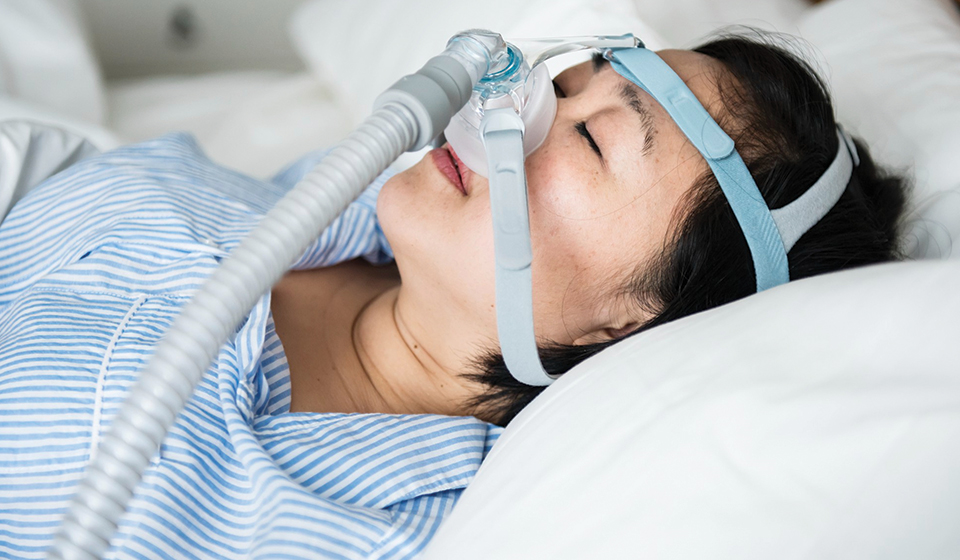
      1. Continuous Positive Airway Pressure (CPAP) therapy: It is the most common and effective treatment for obstructive sleep apnea. It involves wearing a mask connected to a machine that delivers a steady flow of air to keep the airway open during sleep.
      2. Oral appliances: For mild to moderate cases of OSA, a custom-fitted oral appliance can be used to reposition the jaw and tongue, preventing airway obstruction.
      3. Weight loss: For individuals with obesity-related sleep apnea, losing excess weight through a healthy diet and exercise plan can often alleviate or reduce the severity of symptoms.
      4. Surgery: In some cases, surgical procedures may be recommended to remove excess tissue or correct anatomical abnormalities that contribute to sleep apnea.
      5. Positional therapy: For individuals whose sleep apnea is primarily caused by sleeping on their back, positional therapy devices or techniques can be used to encourage side sleeping.
      6. Lifestyle changes: Adopting healthy lifestyle habits, such as quitting smoking, limiting alcohol consumption, and practicing good sleep hygiene, can also help manage sleep apnea symptoms.

      It’s crucial to consult with a sleep specialist or healthcare provider if you suspect you or a loved one may be suffering from sleep apnea. They can perform an evaluation, diagnose the condition, and recommend the most appropriate treatment plan based on your individual needs and circumstances.

      Conclusion

      Seeking treatment for sleep apnea is crucial not only for improving sleep quality but also for reducing the risk of associated health complications with Unident Family Dentistry in Houston, TX. With proper management and treatment, individuals with sleep apnea can experience improved overall health, increased energy levels, and a better quality of life.

      The decision to embark on the journey to a straighter smile is an exciting one, and with modern orthodontic breakthroughs, traditional braces are no longer the only option. For its unobtrusive and successful approach to teeth straightening, Invisalign in Houston, TX, a new clear aligner technology, has gained popularity. If you’re thinking about getting Invisalign, here are five crucial facts to help you navigate this transforming dental experience.

      Invisible Orthodontics: The Clear Advantage

      One of the most appealing aspects of Invisalign is it’s practically undetectable appearance. The clear, custom-made aligners slip over your teeth discreetly, allowing you to straighten your smile without the visible brackets and wires of traditional braces. This characteristic makes Invisalign a popular option for people looking for a more aesthetically pleasing orthodontic procedure.

      Customized Treatment Plans for Every Smile

      Invisalign distinguishes itself with its individualized approach to teeth straightening. Your orthodontist will construct a digital 3D model of your teeth before the journey begins, laying out a personalized treatment plan. This technology lets you see the expected progress and outcome, providing a clear path to a straighter smile.

      Removable Convenience: Eat, Brush, and Smile with Ease

      Invisalign aligners are removable, as opposed to traditional braces, which are fixed in place. It means you can eat whatever you want and maintain good oral hygiene by brushing and flossing regularly. The ability to remove the aligners gives a level of convenience that corresponds to your lifestyle.

      Comfortable Progression with the Latest Technology

      The latest technology, a patented material developed for comfort and optimal tooth movement, is used by Invisalign. The aligners reposition your teeth gently and gradually into the correct position. When compared to traditional braces, this new technology guarantees a more comfortable orthodontic treatment with less discomfort.

      Reduced Treatment Time and Fewer Office Visits

      Invisalign offers a quicker treatment period than traditional braces in many circumstances. The length of treatment varies according to individual needs, but the average treatment period is frequently shorter. Furthermore, Invisalign usually necessitates fewer in-office visits for corrections, making it a suitable alternative for people with hectic schedules.

      Take A Step Toward Your Confident Smile: Schedule Your Invisalign Consultation Today!

      Invisalign in Houston, TX, has revolutionized orthodontic treatment by providing a modern, discrete, and comfortable way to get a straighter smile. Understanding these critical facts will enable you to make an informed decision about your orthodontic journey as you examine this unique technique. If you’re ready to accept orthodontic advancement without sacrificing beauty, Invisalign may be the clear solution you’ve been waiting for. Contact Unident Family Dentistry in Houston, TX, for more details.

      In addition to being aesthetically beautiful, a confident smile also indicates excellent oral health. Nevertheless, a lot of people have bite issues that can affect how their teeth look and feel. Many of these problems have answers in the realm of orthodontics in Westchase, TX, which not only improves dental health but also has cosmetic advantages. We’ll look at five typical biting issues that orthodontics can successfully treat.

      Overbite:

      When there is a large overlap between the upper and lower front teeth, it is called an overbite. Jaw pain, wear and strain on the lower teeth, and even trouble chewing can result from this misalignment. Invisalign or braces are examples of orthodontic procedures that can help gradually realign the teeth, correct an overbite, and enhance the appearance and functionality of the smile.

      Underbite:

      On the other hand, when the lower front teeth jut out past the higher front teeth, it results in an underbite. An improperly positioned tooth or a misaligned jaw may be the result of this. Braces and other specialized appliances are examples of orthodontic procedures that can help realign the lower and upper jaws properly. Orthodontics corrects the underbite to improve bite function and the appearance of the face.

      Crossbite:

      The misalignment of the lower and upper jaws, which results in some upper teeth biting on the inside of lower teeth, is known as a crossbite. This disorder may result in uneven tooth wear, jaw pain, and trouble chewing or speaking. Braces and other orthodontic procedures work well to progressively realign the upper and lower teeth, treat crossbite, and create a bite that is balanced again.

      Open Bite:

      Even with the jaws closed, an open bite is when there is space between the upper and lower front teeth. It may result in trouble speaking, biting, and eating difficulties or even tongue thrusting problems. To close the gap and realign the teeth, orthodontic treatments can address the underlying causes of an open bite. These treatments frequently involve the use of braces in addition to other appliances.

      Crowding:

      A typical problem is crowding of the teeth, which occurs when the jaw isn’t big enough for all the teeth to line up correctly. It can lead to crooked or overlapping teeth, which increases the risk of gum disease and decay and makes maintaining dental hygiene more difficult. To create room and reduce crowding, orthodontic treatments—such as braces or clear aligners—work to progressively move the teeth into appropriate alignment.

      Schedule Your Consultation for a Radiant, Healthy Smile Today!

      Orthodontics in Westchase, TX, is a critical component in the treatment of many common bite disorders, addressing both functional and aesthetic concerns. Orthodontic treatment can result in a changed smile and better dental health, regardless of the condition being treated—an overbite, underbite, crossbite, open bite, or crowding. A confident, healthy, and properly aligned smile can be yours if you speak with an orthodontic specialist at Unident Family Dentistry in Westchase, TX, about any of these bite issues. Accept the revolutionary power of orthodontics to make your smile reach its greatest potential.

      Dental crowns, sometimes referred to as caps, are coverings in the shape of teeth used to restore the size, strength, form, and appearance of teeth. Dental Crowns in Westchase, TX, can be formed of different materials, including metal, porcelain, and ceramics, or a mix of these. Although crowns are usually utilized for severely damaged teeth, they can be used for other purposes as well. These are the top 5 typical explanations for why your dentist would advise having dental crowns.

      To protect a weakened tooth

      An extensive filling, decay, or fracture might weaken a tooth to such an extent that a crown can shield the remaining tooth from further harm. To keep the tooth from breaking or cracking under the force of chewing, the crown covers and supports the entire tooth. The tooth can be saved and prevented from being extracted by having a dental crown placed over it.

      To restore a severely damaged tooth

      When teeth are severely damaged due to decay or trauma, dental crowns in Westchase, TX, are frequently utilized to restore them. A crown will reconstruct a tooth that is cracked, fractured or has lost a significant amount of structure to return it to its previous size and shape. The purpose of the crown is to strengthen and restore the tooth’s ability to endure stresses from biting and chewing. Tooth injury that is too severe for a filling requires a crown for complete protection.

      For Cosmetic Enhancement

      In addition to improving teeth’s look, crowns play a significant role in restorative dentistry. Crowns can be crafted from porcelain or ceramic materials that closely resemble the color of your neighboring teeth, giving the appearance of actual teeth. Dental Crowns in Westchase, TX, are a common option for enhancing the appearance of teeth that are unevenly shaped, discolored, or stained. The crown hides imperfections and provides you with a perfectly symmetrical, brilliant white smile.

      To conceal a misshapen or discolored tooth

      Teeth with irregular shapes or unsightly discolorations that are not improvable with teeth whitening are neatly covered up with crowns. Teeth that are peg-shaped or absent from birth can be restored with crowns to give them a regular appearance. Additionally, permanent stains or discolorations brought on by fluoride exposure, trauma, or some drugs are covered by crowns.

      To cover a dental implant

      The best option for restoring lost teeth is a dental implant. For a natural-looking and functional restoration, a crown must be placed over the titanium implant once it has fused with the jawbone. The tooth restoration is finished and the visible portion of the implant is covered with the dental crown. Constructed from sturdy materials, dental crowns in Westchase, TX, can enhance appearance while allowing the implant to withstand the daily strain of chewing.

      Take the Next Step for Your Dental Health – Schedule an Appointment Today!

      Crowns serve both functional and aesthetic purposes, and their protective qualities make them ideal for weak, damaged, or missing teeth. For a beautiful smile, crowns can change the look of ugly, malformed, or discolored teeth. Crown placement is probably a great option the next time you or your dentist see a tooth that needs work. Crowns can preserve dental health and beauty for many years with proper oral hygiene. Contact Unident Family Dentistry in Westchase, TX, for more details.

      New Patient Forms